Before reaching for your grater, understand that the water locked inside the squash will either ruin your crumb or preserve its tenderness depending on your willingness to wait.

The pursuit of the flawless vegetable-based cake demands that we set aside the modern rush and embrace the slow, methodical science of baking. By introducing finely shredded squash into a delicate sponge, you invite an incomparable, lasting moisture that traditional flour-and-fat structures can rarely sustain on their own. This Zucchini Cake with lemon cream cheese frosting balances the earthy quiet of the garden with the bright, precise acidity of fresh citrus. If you follow the technical steps laid out here, your efforts will yield a dessert of remarkable balance and refined texture.
Why Technique Matters for Zucchini Cake with lemon cream cheese frosting
Prep: 45 min · Serves: 15 · Difficulty: Medium
- Shuttered water content creates unmatched crumb tenderness.
- Acidic citrus cuts through rich, sweet frosting.
- Balanced emulsion prevents a greasy, heavy texture.
- Fine shredding allows squash to melt away.
- Room temperature dairy integrates without any curdling.
When you master the delicate interplay between moisture-rich squash and emulsified fats, you reveal a depth of flavor that dry sponges cannot match. Your understanding of how these elements combine will transform this humble crumb into something worthy of a Parisian display case. You will find that this lemon cake variant teaches you the profound value of precise resting times and ingredient temperatures.
This is the method that will change how you view vegetable cakes forever.
Get The Full Cake Recipe
Print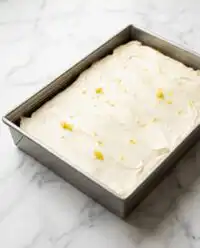
Zucchini Cake with Lemon Cream Cheese Frosting
- Total Time: 1 hour 18 mins
- Yield: 15 servings
- Diet: Vegetarian
Description
This refined Zucchini Cake pairs the earthy, moisture-rich texture of finely shredded summer squash with a bright, velvety lemon cream cheese frosting. It is a masterclass in balance, offering a sophisticated dessert that remains tender for days.
Ingredients
- 2 cups all-purpose flour
- 1 teaspoon baking powder
- 1/2 teaspoon baking soda
- 1/4 teaspoon fine salt
- 1/2 cup unsalted butter, softened
- 1/4 cup vegetable oil
- 1 1/2 cups granulated sugar
- 1 tablespoon fresh lemon zest
- 1 teaspoon vanilla extract
- 2 large eggs, room temperature
- 1/2 cup whole milk
- 1 tablespoon fresh lemon juice
- 2 cups finely shredded zucchini
- 8 ounces cream cheese, softened
- 1/2 cup butter, softened (for frosting)
- 2 cups powdered sugar
Instructions
- Prepare the oven. Preheat your oven to 350°F (176°C) and prep a 9×13-inch baking pan with non-stick spray or parchment paper.
- Sift dry ingredients. Combine flour, baking powder, baking soda, and salt in a bowl, whisking thoroughly to ensure uniform aeration.
- Cream fats and aromatics. Beat butter, oil, sugar, lemon zest, and vanilla in a stand mixer for three minutes until light and pale.
- Incorporate the eggs. Add room-temperature eggs one at a time on low speed, scraping the bowl sides between each addition to ensure a smooth emulsion.
- Add dry mix. Mix half of the dry ingredients into the batter on low speed until just barely combined.
- Stream in liquid. Slowly pour the milk and lemon juice mixture into the batter while the mixer runs on low speed.
- Finalize the batter. Incorporate the remaining dry ingredients, mixing until the batter is smooth and no streaks of flour remain.
- Fold in zucchini. Gently fold the finely shredded zucchini into the batter by hand using a silicone spatula until evenly dispersed.
- Bake the cake. Pour the batter into the prepared pan and bake for 28 to 33 minutes, until the top is springy and a skewer comes out clean.
- Frost the cake. Once fully cooled, beat cream cheese and butter for the frosting, slowly adding powdered sugar and vanilla, then spread over the cake.
Notes
- Ensure the zucchini is finely shredded rather than coarsely grated to allow it to fully melt into the crumb.
- Use room temperature ingredients for the batter to guarantee a stable emulsion and consistent cake rise.
- Let the cake cool completely before frosting to prevent the cream cheese mixture from melting into a glaze.
- Weigh your ingredients using a kitchen scale for the most accurate results in baking chemistry.
- Always use brick-style cream cheese for the frosting to maintain a thick, spreadable consistency.
- Prep Time: 45 mins
- Cook Time: 33 mins
- Category: Dessert
- Method: Baking
- Cuisine: American
The Mise en Place
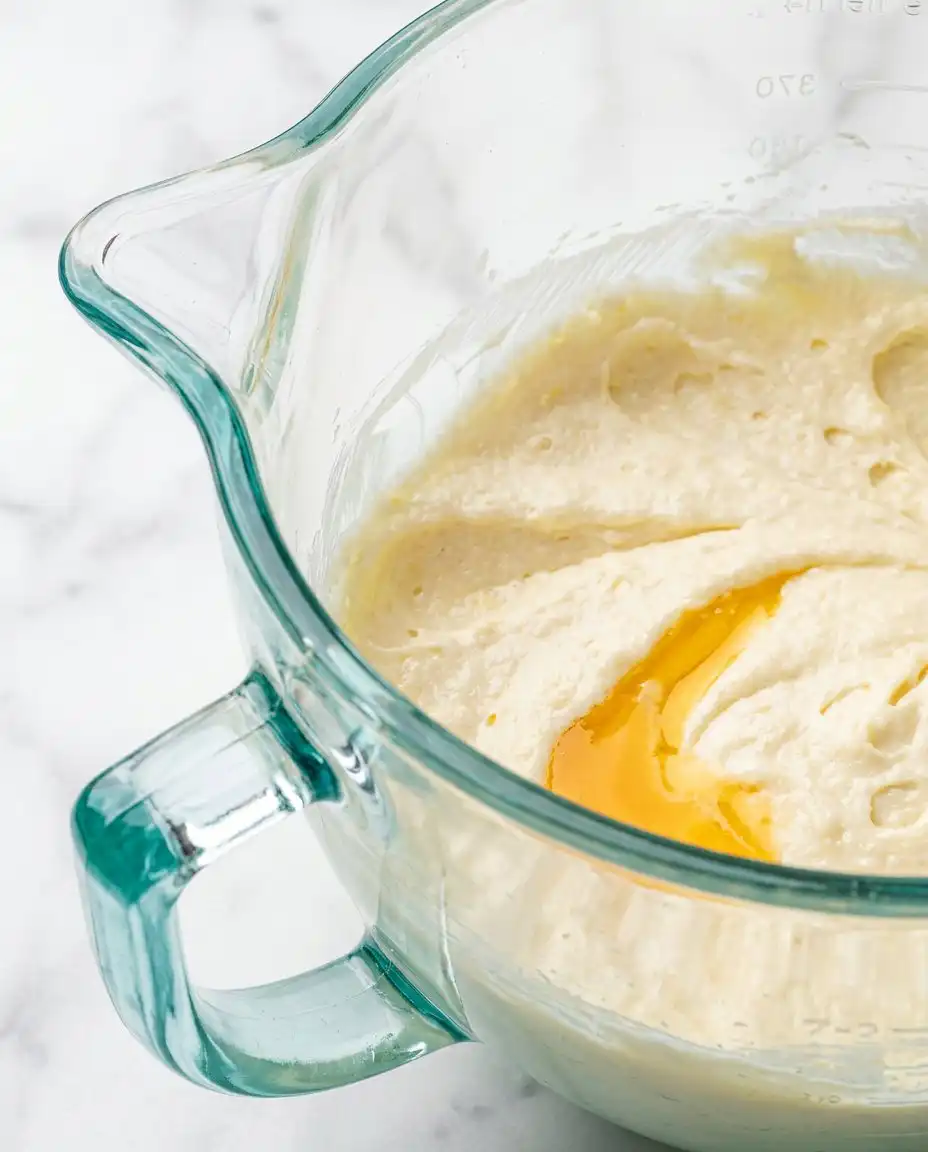
Before a single measure is taken, a true baker prepares the workspace with quiet deliberation. Every ingredient must be weighed to the gram, and each liquid must be tempered to its correct state to prevent the emulsion from breaking during the mixing phase. This careful alignment of your raw components is the first and most critical step in securing a flawless cake texture.
- Fresh Zucchini: This ingredient provides the essential cell structure and internal humidity that keeps the crumb tender for days, provided you shred it to a precise fine texture rather than coarse pieces.
- Unsalted Butter: High-quality fat with an 82% butterfat content is non-negotiable here, as it offers the structural framework and rich flavor foundation that oil alone cannot provide.
- Vegetable Oil: Working in tandem with the butter, this liquid fat remains fluid at lower temperatures, preserving a soft, yielding mouthfeel even after the cake has been refrigerated.
- Fresh Lemon Zest: The flavedo layer contains concentrated essential oils that infuse the sugar crystals with clean citrus aromatic compounds, avoiding the artificial sharpness of bottled extracts.
- Large Eggs: These must be brought to exactly room temperature to make sure they emulsify smoothly with the creamed butter and sugar, forming a stable network of tiny air pockets.
- Cream Cheese: A full-fat brick variety is required to construct a velvety, stable frosting that holds its shape under the blade without sliding off the cooled sponge.
When assembling the components for your Zucchini Cake with lemon cream cheese frosting, quality is everything.
| Ingredient | Why It Matters |
|---|---|
| All-Purpose Flour | Provides the gluten network necessary to support the weight of the shredded squash without collapsing. |
| Baking Powder & Soda | This dual-leavening system neutralizes the acidity of the lemon juice while lifting the heavy batter. |
| Granulated Sugar | Beyond sweetening, it hygroscopically binds water molecules to keep the crumb exceptionally tender. |
| Whole Milk | Hydrates the flour particles and contributes proteins that assist in the browning of the crust. |
The Method, Step by Step
Step 1: Prepare the Oven and Pan
Before you begin mixing, preheat your oven to exactly 350°F (176°C) and prepare a 9×13-inch baking pan by spraying it evenly with a professional non-stick baking spray. Line the bottom with parchment paper if you wish to unmold the cake later for a clean, sharp presentation. The oven thermometer must read true before any batter is introduced to guarantee an even rise from the very first minute.
Step 2: Sift the Dry Structural Elements
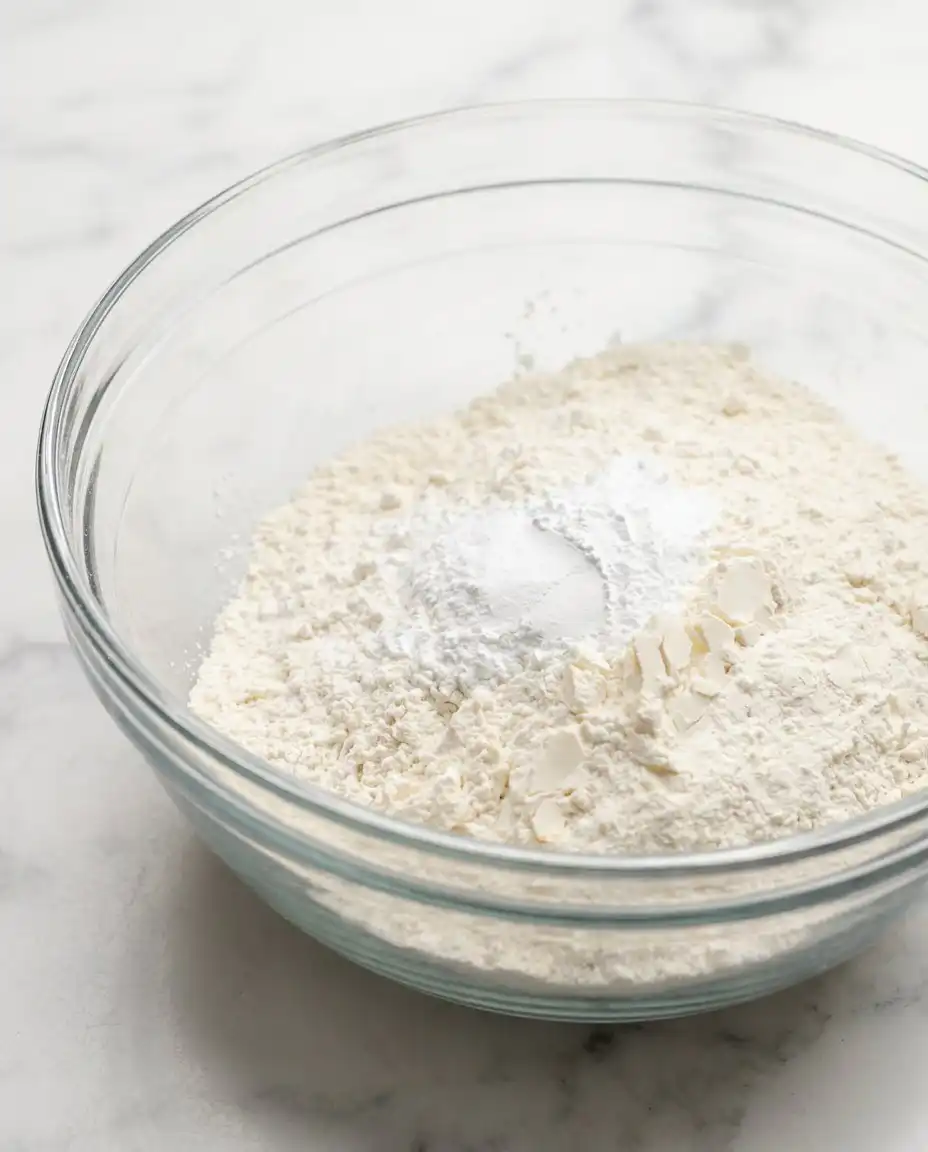
Sift together the all-purpose flour, baking powder, baking soda, and fine salt into a medium-sized bowl, then whisk them briefly to distribute the leaveners evenly. This mechanical aeration removes any compact lumps and guarantees that the chemical leaveners are uniformly interspersed throughout the flour network. You will notice the mixture feels lighter and looks slightly more voluminous after sifting.
Step 3: Emulsify the Fats and Citrus Aromatics
Combine the room temperature butter, vegetable oil, granulated sugar, fresh lemon zest, and vanilla extract in the bowl of your stand mixer. Beat these elements on medium-high speed for a full three minutes until the mixture transforms into a pale, light, and airy paste. Do not shorten this step, as this is when the sugar crystals shear against the butter fat to create the foundational air cells.
Step 4: Temper and Incorporate the Eggs
Add the room temperature eggs to the creamed mixture one at a time, mixing on low speed until each egg is fully absorbed before introducing the next. Scraping the sides and bottom of your bowl with a flexible spatula between additions prevents pockets of unmixed fat from forming. The batter should look smooth, glossy, and hold a slightly thickened structure like a very soft custard.
Step 5: Begin the Alternating Dry Additions
Introduce approximately half of your sifted dry ingredients to the creamed base, mixing on the lowest speed for no more than fifteen seconds. You want to barely incorporate the flour to avoid premature gluten development, which would make the cake tough. Stop mixing when you can still see faint, dusty streaks of dry flour throughout the batter.
Step 6: Stream the Acidified Milk
Combine the whole milk and fresh lemon juice in a small pitcher, then stream this mixture slowly into the bowl while the mixer runs on low speed. The mild curdling of the milk is completely normal here due to the citrus acid, so do not be alarmed by a slightly textured appearance. Mix until the liquid is barely integrated, maintaining a gentle hand to preserve the fragile aeration.
Step 7: Finish the Main Batter Structure
Add the remaining dry ingredients to the bowl and mix on low speed until the batter is smooth and homogeneous. This final addition absorbs the liquid milk stream and locks in the structure of the cake. Watch for the flour streaks to disappear entirely, leaving a thick, beautifully pale batter that falls from the spatula in a heavy ribbon.
Step 8: Fold the Shredded Squash Tenderly
Distribute the shredded squash over the top of the batter and use a wide silicone spatula to fold it in by hand with slow, circular motions. You must fold from the bottom of the bowl upward, turning the bowl slightly with each stroke until the green flecks are evenly dispersed. Do not overmix here, as the squash will begin to shed excess water if manipulated too aggressively.
Step 9: Bake Your Zucchini Cake with lemon cream cheese frosting to Golden Perfection
Pour the thick batter into your prepared pan, smoothing the surface with an offset spatula so it bakes evenly across the entire surface. Slide the pan onto the center rack of your oven and bake for 28 to 33 minutes, refusing the temptation to open the door until the final five minutes. The cake is done when the top feels lightly springy to a gentle touch and a clean wooden skewer inserted into the center emerges with a dry crumb.
Step 10: Smooth the Tangy Citrus Frosting
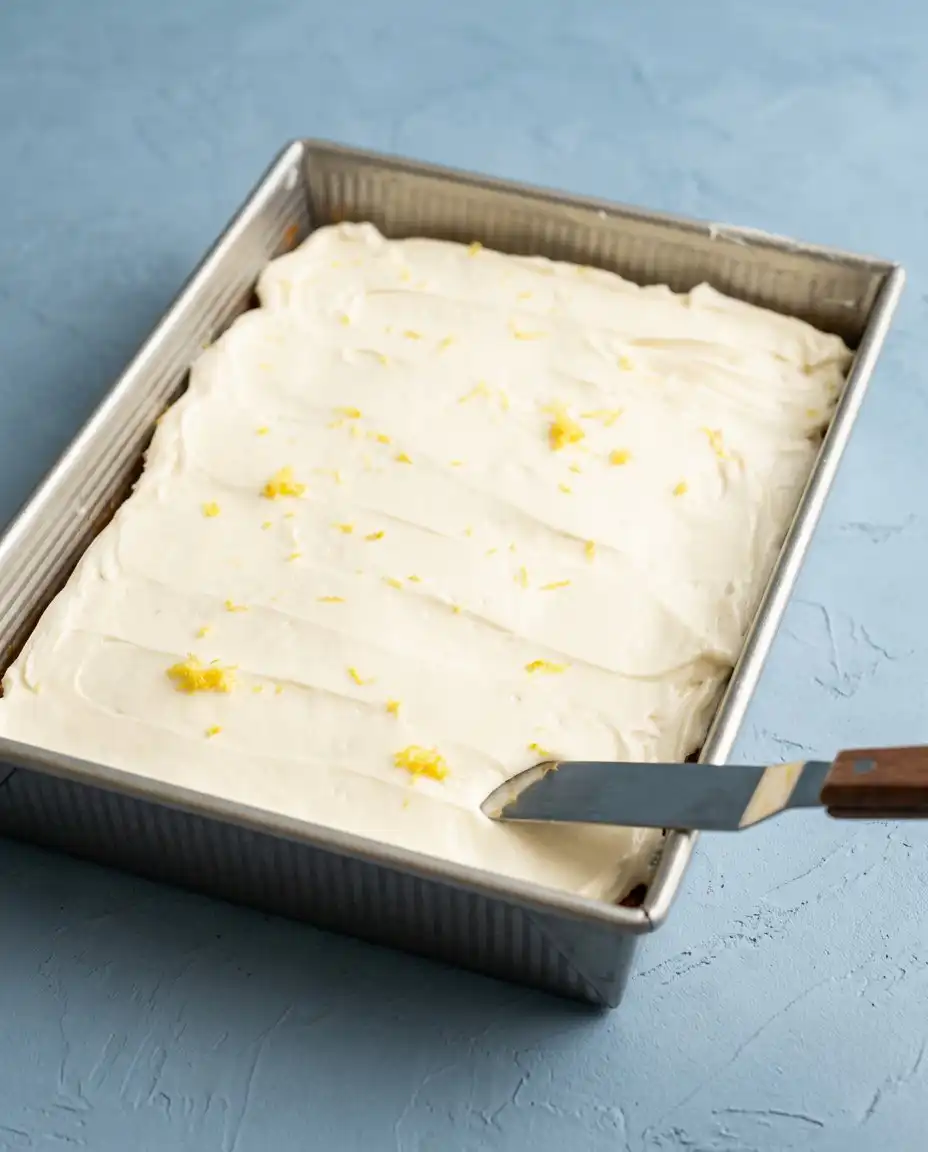
Once the cake has cooled completely to room temperature, beat the cream cheese and butter together until completely smooth before slowly incorporating the powdered sugar and vanilla. Spread this thick, satiny frosting over the cooled cake using a clean spatula to create soft, natural waves. To complete your Zucchini Cake with lemon cream cheese frosting, the frosting must be handled with care to prevent warm room air from melting its delicate butterfat matrix.
What Experience Teaches Here
The precise size of your shred matters immensely when prepping your vegetables for the batter. If you use a coarse grater, the squash pieces will remain too large, failing to melt into the crumb during baking and leaving wet, green pockets. Use the fine side of a box grater to make sure the shreds distribute uniformly and dissolve into the crumb structure.
If your cream cheese frosting turns thin or soupy while finishing your Zucchini Cake with lemon cream cheese frosting, here is why and how to fix it immediately. This breakdown occurs when you overwork the cream cheese or use a spreadable tub variety instead of a brick, which releases bound water molecules and liquefies the sugar. To salvage it, chill the frosting for thirty minutes, then gently fold in two tablespoons of cornstarch to absorb the excess moisture.
The temperature of your butter is a strict constraint that dictates the success of your emulsion. Butter should be tempered to exactly 65°F (18°C), which feels slightly cool to the touch but yields to gentle thumb pressure. Cold butter will not trap enough air during creaming, while warm butter will oil out and cause the cake to turn out dense.
Before you mix, understand the logic of moisture control by weighing your zucchini after shredding. Unlike a traditional carrot cake, which relies on dry carrots, zucchini carries high levels of surface moisture that can throw off your liquid ratios. Do not squeeze the squash dry with a towel, but merely let it drain in a colander for five minutes to shed excess surface water before folding.
Avoid using a hand mixer for the creaming stage if you want to achieve the maximum possible volume in your cake base. A heavy stand mixer with a paddle attachment provides the steady torque required to whip air into the butter and sugar efficiently. You can refer to this expert zucchini cake preparation guide for a deeper look at how fat structures interact with vegetable moisture in the oven.
Let the baked cake sit on a wire rack for at least two hours before you attempt to apply the cream cheese frosting. The residual warmth from an insufficiently cooled cake will quickly melt the butterfat in the frosting, turning your beautiful ivory waves into a runny glaze. Patience here is not a virtue — it is an instruction that preserves the visual integrity of your work.
Frequently Asked Questions
Can I make this cake gluten-free?
Yes, you can substitute the all-purpose flour with a high-quality 1:1 gluten-free baking blend that contains xanthan gum. You must confirm that the blend is weighed carefully to match the 358 grams specified in the recipe to maintain the structural integrity of the cake. The texture will be slightly different, but the squash will help keep the crumb from becoming dry or sandy.
Why did my zucchini cake sink in the center?
A sunken center typically occurs when there is too much moisture in the batter or if the cake is underbaked. If the zucchini was exceptionally wet and not allowed to drain, the excess liquid will weigh down the rising gluten structure, causing it to collapse as it cools. Always use an oven thermometer to verify the temperature and test the center with a skewer before removing the pan.
How should I store the leftover cake?
Because of the fresh cream cheese frosting, this cake must be stored in an airtight container in the refrigerator. It will remain fresh and remarkably moist for up to five days when kept cold. To enjoy the full complexity of the flavors, let individual slices stand on the counter for twenty minutes to temper before serving.
Can I freeze the frosted cake?
While you can freeze the unfrosted cake layers wrapped tightly in plastic film for up to three months, freezing the finished cake with cream cheese frosting is not recommended. The freezing process can cause the frosting to separate and turn watery upon thawing, spoiling the satiny finish. For the best presentation, bake the cake ahead of time, freeze it, and frost it on the day you plan to serve it.
Can I reduce the sugar in this recipe?
Reducing the sugar is not recommended because sugar is a structural ingredient that controls moisture binding and gluten development. If you decrease the sugar, the cake will lose its characteristic tenderness and may turn out dense, dry, and bread-like. To maintain the elegant balance of the cake, keep the ratios exactly as written.
Do I need to peel the zucchini before shredding it?
Peeling the squash is completely unnecessary and would rob the cake of its beautiful green flecks. The skin of young summer squash is incredibly tender and melts completely into the batter during the baking process. Simply wash the zucchini thoroughly and trim the ends before passing it over the fine grater.
What is the best way to clean and prep the zucchini?
Wash the squash under cold running water to remove any garden grit, then dry it completely with a clean towel. Trim only the stem end, leaving the bottom intact to serve as a convenient handle while shredding. Use light pressure against the fine grater to avoid bruising the flesh and releasing too much juice prematurely.
Considered Variations
For a delightful textural contrast that mirrors a classic lemon poppy seed cake, you can introduce two tablespoons of blue poppy seeds to the dry ingredients. These small seeds add a subtle nuttiness and a pleasing crunch that pairs beautifully with the tender zucchini crumb. They also add visual interest to the golden slices.
If you prefer a more pronounced herbal note, consider rubbing fresh thyme leaves into the lemon sugar before creaming the fats. The subtle, pine-like undertones of the herb complement the citrus zest and the earthy zucchini perfectly. This addition results in a cake with a highly sophisticated flavor profile that transitions beautifully from late summer into early autumn.
To present this dessert as an elegant tea cake, you may bake the batter in two standard 9-inch round cake pans instead of the 9×13-inch pan. Reduce the baking time to approximately 22 to 25 minutes, keeping a close eye on the centers to prevent drying. Once cooled, stack the layers with a generous filling of the tangy cream cheese frosting for a classic tiered presentation.
Finishing and Presenting
The presentation of this cake should reflect the same quiet elegance that went into its preparation. To achieve the cleanest possible cuts, use a long, thin chef’s knife that has been dipped in hot water and wiped completely dry between each slice. This technique prevents the rich frosting from dragging through the crumb, revealing an immaculate cross-section that shows off the pale gold crumb speckled with green.
When serving a slice of this Zucchini Cake with lemon cream cheese frosting, the beverage pairing can make a notable difference. Serve this dessert alongside a pot of hot Earl Grey or chamomile tea, as the herbal notes of the brew pair beautifully with the citrus aromatics of the frosting. If you are hosting a summer afternoon gathering, a chilled glass of dry prosecco offers a delightful contrast to the cake’s richness. For those who enjoy a deeper citrus experience, you might also consider serving it alongside a classic lemon pound cake to offer your guests a study in different cake textures.
For plating, choose simple, neutral-toned ceramic plates to let the natural colors of the cake stand out. A small sprig of fresh mint or a few fresh raspberries placed next to the slice adds a touch of color without distracting from the main event. Make sure that the cake has warmed slightly from its refrigerated state so that the cream cheese frosting is soft and yielding to the fork.

A Word Before You Slice
Baking is a journey of patience, a series of small, intentional acts that lead to a shared moment of joy around the table. By taking the time to temper your ingredients, shred your squash with care, and emulsify your fats, you have created a cake that is far more than the sum of its parts. This is a cake that demands you slow down and savor the process, and the reward is in every single bite.
If you have enjoyed mastering this balance of textures and flavors, you may want to continue your baking education with our classic lemon drizzle cake. It offers another beautiful exploration of how citrus can brighten a rich, dense crumb. Sharing these creations with friends and family is the ultimate validation of the time you spend at the bench.
As you complete your Zucchini Cake with lemon cream cheese frosting, take a moment to appreciate the beautiful crumb structure you have achieved. We invite you to share your results and connect with our growing community of dedicated home bakers. You can follow our journey and share your own baking triumphs on Pinterest, Facebook, and TikTok. Let us continue to honor the craft of baking together, one precise layer at a time.