Baking in small batches is how Grandma taught me to honor the craft, measuring out precisely enough sugar and flour to fill our quiet kitchen with quiet purpose.

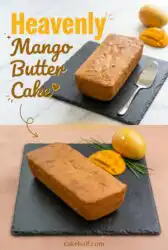
There is a gentle beauty in baking a quiet Mango Butter Cake on a slow Sunday afternoon. This humble cake carries a golden, dense crumb that is rich with butter and bright with the seasonal warmth of fresh mango slices layered inside. By slowing down to cream the sugar and unsalted butter the old-fashioned way, you create a texture that melts away on the tongue. It is a quiet testament to the baking archives, offering comfort that cannot be rushed or mass-produced.
A Bite of Pure Nostalgia in Every Mango Butter Cake
Prep: 15 min · Serves: 12 · Difficulty: Medium
- Rich golden crumb with comforting buttery depth.
- Sweet fresh mango slices baked right inside.
- Slow creaming method ensures a delicate texture.
- Simple honest ingredients from the kitchen shelf.
- Tastes even better after resting for a day.
This is the humble cake my family waits for every time the summer heat ripens the fruit on our trees.
Before we begin, it helps to understand why we return to this pan time and again. We love it because it feels like home. Much like our beloved classic vanilla butter cake, this recipe relies on patience to develop its character. It does not demand fancy techniques, only your time and a quiet corner of your counter.
Get The Full Cake Recipe
Print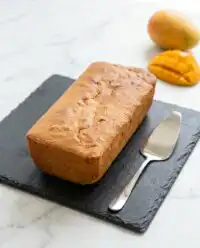
Mango Butter Cake
- Total Time: 1 hour 10 mins
- Yield: 12 servings
- Diet: Vegetarian
Description
This golden Mango Butter Cake features a rich, dense crumb layered with fresh, sweet mango slices. It is a slow-baked, traditional treat that celebrates the comforting art of the classic creaming method.
Ingredients
- 1 cup unsalted butter, softened
- 1 cup granulated sugar
- 3 large eggs, at room temperature
- 2 cups all-purpose flour
- 1 teaspoon baking powder
- 1/4 teaspoon fine salt
- 1/4 cup whole milk
- 1 fresh mango, peeled and thinly sliced
Instructions
- Prepare the oven. Heat your oven to 350°F (180°C) and line a loaf pan with parchment paper for easy removal.
- Slice the mango. Peel the mango and carefully cut the fruit into even quarter-inch thick slices.
- Whisk dry ingredients. Combine the flour, baking powder, and salt in a bowl, whisking until thoroughly sifted and blended.
- Cream butter and sugar. Beat the softened butter and sugar in a stand mixer on high speed until light, fluffy, and smooth.
- Incorporate the eggs. Drizzle the whisked eggs into the butter mixture slowly while mixing on medium speed until fully emulsified.
- Add dry ingredients. Alternately add the flour mixture and milk to the batter on low speed, finishing with a gentle hand fold.
- Layer the batter. Spread one-third of the batter in the pan, add a layer of mango, and repeat the process, finishing with batter.
- Bake the loaf. Bake for 50 to 55 minutes until the top is deep golden brown and a skewer comes out clean.
- Cool the cake. Rest the cake in the pan for 10 minutes before transferring to a wire rack to cool completely.
Notes
- Ensure your butter is soft to the touch but not melting to maintain the structure of the crumb.
- Bring eggs to room temperature by placing them in warm water for five minutes before usage.
- Sift your flour and baking powder together to prevent lumps and ensure even rising.
- Let the finished cake rest overnight to allow the mango moisture to redistribute through the buttery crumb.
- Prep Time: 15 mins
- Cook Time: 55 mins
- Category: Dessert
- Method: Baking
- Cuisine: Traditional
From the Kitchen Shelf
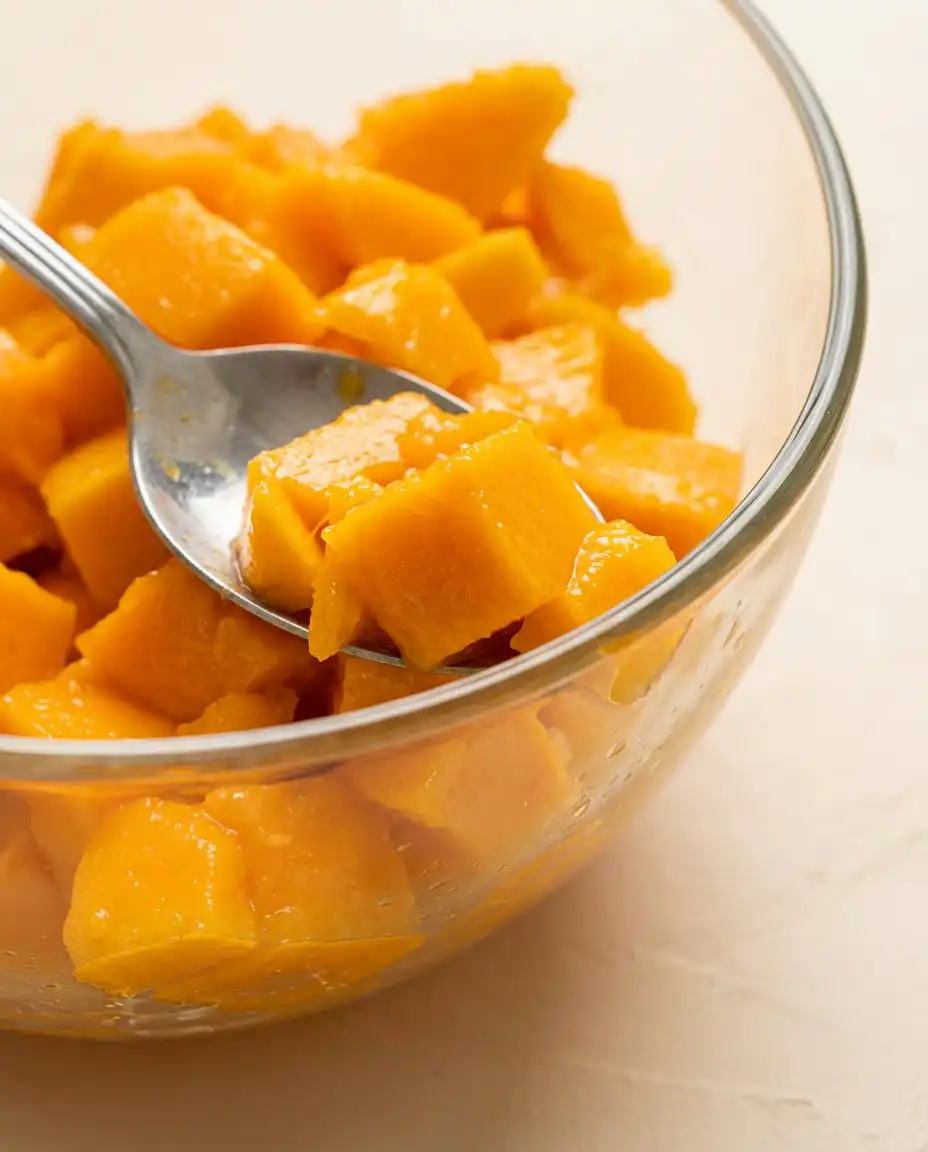
Gathering the ingredients for this Mango Butter Cake is a quiet ritual of appreciation. We use basic pantry staples, paired with fresh fruit, to build something truly memorable. Each element plays its part in bringing this traditional cake to your table.
- Unsalted butter: We use softened butter to create the rich foundation and tender crumb that characterizes a traditional butter cake.
- Granulated sugar: This sweetens the crumb while helping to aerate the butter during the slow creaming process.
- Fresh mango: Sliced thin and layered within the batter, it provides pockets of sweet tropical warmth and moisture.
- Large eggs: These must be at room temperature to emulsify properly with the creamed butter without curdling.
- All-purpose flour: This provides the structure for our cake, keeping the dense crumb soft and sliceable.
- Whole milk: A touch of milk softens the batter and adds a delicate richness to the finished crumb.
| Ingredient | Why It Matters |
|---|---|
| Unsalted butter | Yields a tender, golden crumb with rich traditional flavor |
| Fresh mango | Adds natural sweetness and moisture throughout the cake layers |
| Room temperature eggs | Emulsify perfectly with the sugar and butter for optimal rise |
| Whole milk | Softens the flour proteins to ensure a melt-in-your-mouth feel |
Step by Step in Teresa’s Kitchen
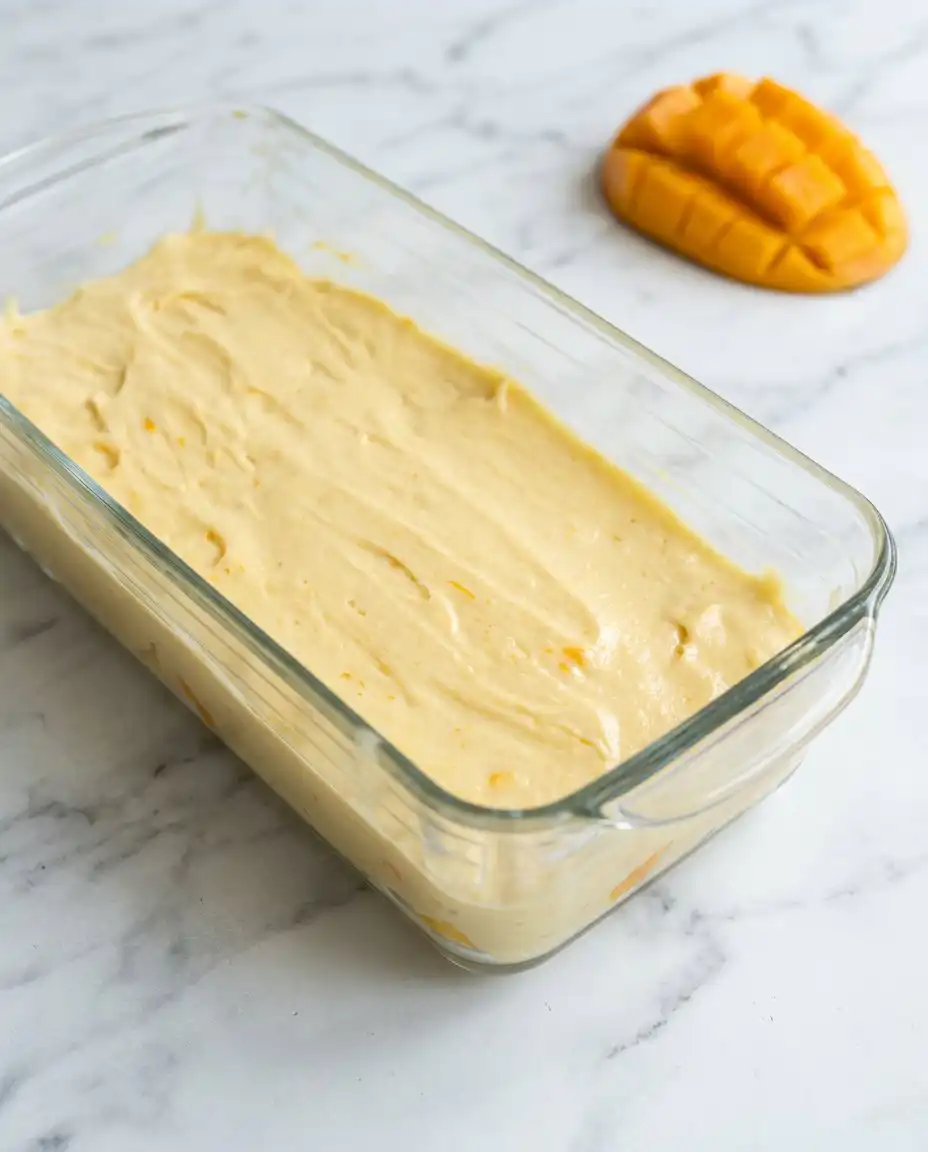
Step 1: Prepare Your Loaf Pan and Oven
Gently line the bottom of your loaf pan with a clean sheet of parchment paper, letting the excess hang over the sides for easy removal later. Warm your quiet oven to 350°F (180°C), listening for the comforting, low hum of the heat as it builds. Taking this time to prepare your kitchen tools now guarantees that the delicate batter can rest immediately once you finish mixing. This quiet preparation is a step Grandma never rushed, setting the stage for a peaceful baking afternoon.
Step 2: Slice the Sweet Mango
Stand the peeled, golden mango upright on your worn wooden cutting board, holding it steady with one hand. Cut carefully down along the flat stone, then slice the bright fruit into even quarter-inch portions. You will smell the sweet, tropical perfume rising to fill the room as you set the moist slices aside on a small glass plate. We will only use a portion of these beautiful slices to create the soft, hidden fruit layers.
Step 3: Whisk the Dry Ingredients Together
Measure your all-purpose flour, baking powder, and fine salt into a heavy glass mixing bowl. Use a vintage wire whisk to combine them thoroughly, watching the white powder sift into a light, uniform blend. This careful sifting guarantees that the rising agent is distributed evenly throughout the flour. It is a simple step, yet it is vital to prevent any dry pockets or uneven rising in your finished loaf.
Step 4: Cream the Softened Butter and Sugar
Place your softened unsalted butter and granulated sugar into the bowl of your stand mixer fitted with the whisk attachment. Beat on high speed for several minutes until the pale mixture becomes light, fluffy, and holds soft peaks. Be sure to stop the mixer once or twice to scrape the sides of the bowl down with a rubber spatula. This patient creaming process builds the tiny air pockets that create a light, tender crumb.
Step 5: Incorporate the Room Temperature Eggs
Crack your eggs into a separate bowl, whisking them gently until they are uniform. Slowly drizzle them into the creamed butter, adding about a quarter of the mixture at a time while mixing on medium speed. The batter should look smooth, thick, and velvety, smelling of rich butter and sweet sugar. If the mixture appears to separate slightly, add a single tablespoon of your whisked flour to bind it back together.
Step 6: Add the Flour and Whole Milk
Alternate adding your prepared flour mixture and the whole milk into the bowl while running the mixer on its lowest speed. Mix until the flour is barely incorporated, being careful not to overwork the delicate batter. Stop the machine and use a rubber spatula to gently fold any remaining white pockets of flour into the gold batter by hand. This gentle hand-folding technique guarantees a melt-in-your-mouth crumb that is soft rather than tough.
Step 7: Layer the Mango Butter Cake Batter
Spread one-third of your thick golden batter into the bottom of the lined loaf pan, smoothing it with your spatula. Arrange a few beautiful mango slices across the surface, then cover them with another third of the sweet batter. Repeat this delicate layering process once more, finishing with a final layer of batter decorated with golden mango slices on top. This careful layering ensures that every single slice of the Mango Butter Cake has a pocket of fruit.
Step 8: Bake Until Golden and Fragrant
Slide the prepared loaf pan onto the middle rack of your preheated oven with care. Bake for 50 to 55 minutes, letting the deep aroma of toasted butter and caramelized fruit fill your quiet home. The top will turn a beautiful deep golden brown, and a wooden skewer inserted in the center will emerge clean. Check the progress near the fifty-minute mark, letting your eyes and nose guide you rather than the clock.
Step 9: Cool Gently on a Wire Rack
Remove the hot cake from the oven and let it rest in its pan for 10 quiet minutes on a wire rack. Carefully lift the loaf out using the parchment paper edges and set it directly on the rack to cool completely. The steam will slowly escape, leaving behind a beautifully set, tender crumb that holds its shape when sliced. Patience during this cooling stage guarantees the cleanest slices later on.
What Grandma Would Tell You
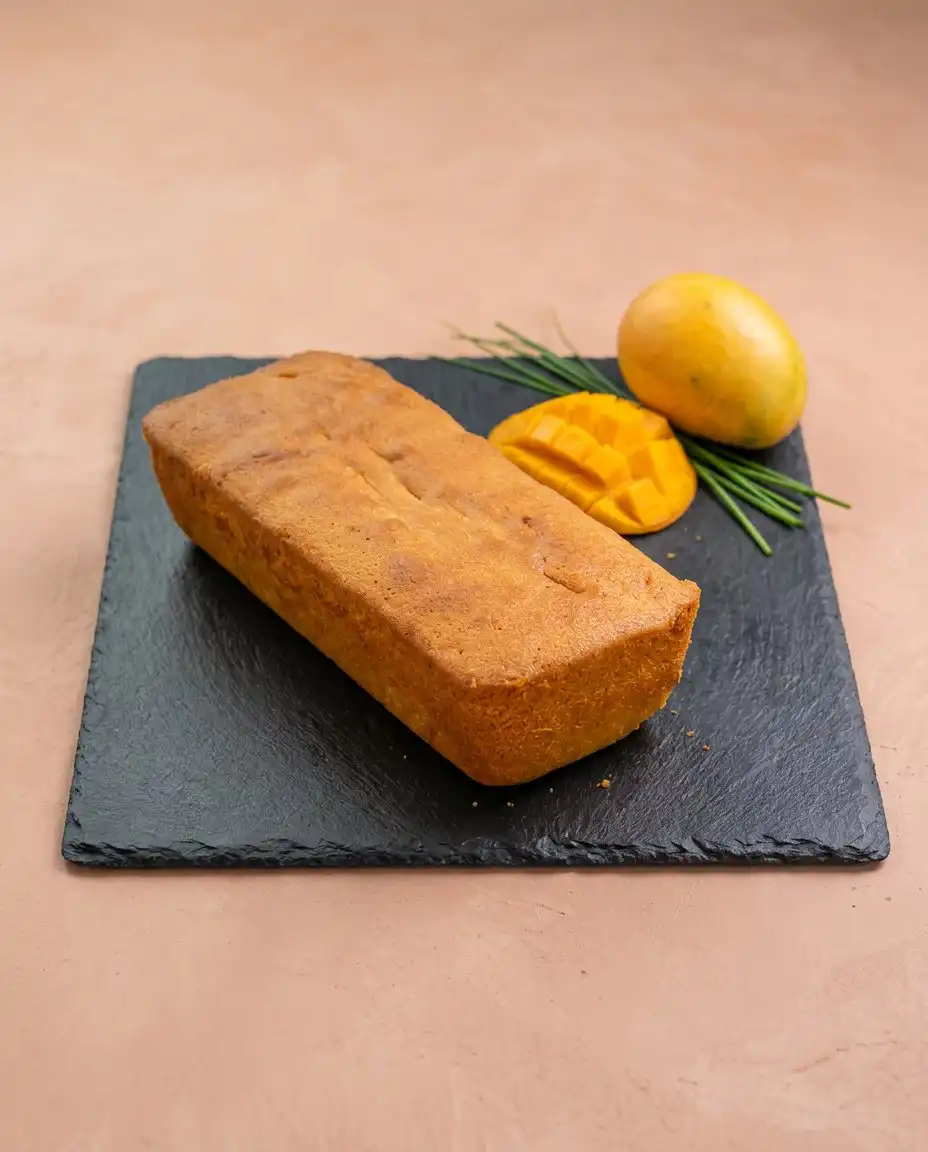
Baking a classic Mango Butter Cake is a masterclass in the creaming method. Always pay close attention to the texture of your unsalted butter before you begin. It should be soft enough to yield easily to a soft press of your finger, yet it must not look shiny or melty. If your butter is too warm, it cannot hold the tiny air pockets necessary for a light rise.
Cold eggs are a common culprit behind a curdled or broken cake batter. When cold eggs hit the creamed butter, they cause the fat to seize and separate into tiny flecks. To warm your eggs quickly, place them in a bowl of lukewarm water for five minutes before cracking them. This simple step guarantees a smooth, uniform emulsion that rises beautifully.
Sifting your dry ingredients together is a step Grandma never skipped in her kitchen. Sifting not only removes any lumps from your baking powder and flour, but it also aerates the mixture. This added air contributes to the delicate, melt-in-your-mouth crumb we desire. Use a fine-mesh strainer or a vintage flour sifter to combine the flour and salt thoroughly.
If your cake turns out dense with a heavy, rubbery layer at the bottom, your batter likely separated during mixing. This separation happens when ingredients are added too quickly or at different temperatures. To fix this, always add your whisked eggs in small, gradual portions, allowing each addition to fully incorporate before adding the next. For more guidance on this traditional creamed method, you can study this detailed guide on the traditional whole egg creamed method to perfect your technique.
Allowing your finished loaf to rest wrapped on the counter overnight completely changes its texture for the better. As the cake sits, the moisture from the baked mango slices distributes evenly throughout the crumb, while the butter flavors deepen. It requires a bit of patience, but the reward is a slice that is incredibly tender and rich. If you love slow-baked fruit treats, you might also want to try our classic peach cake during the peak of summer.
Avoid opening your oven door too frequently during the first forty minutes of baking. Each time the door opens, a rush of cool air enters, which can cause the delicate center of the rising loaf to collapse. Instead, rely on the sweet aroma of caramelized fruit filling your kitchen as your signal that the bake is nearing completion. Only use a wooden skewer to check the center once the top is set and beautifully golden.
Frequently Asked Questions
Can I use frozen mango for this butter cake?
Yes, you can use frozen mango if fresh fruit is out of season. Be sure to thaw the slices completely and pat them dry with a clean cloth before layering them in the batter. This prevents excess moisture from making the cake soggy.
Why did my cake sink in the middle?
A cake often sinks in the center if the oven door was opened too early during the baking process. It can also happen if your baking powder is past its prime and has lost its strength. Always check your leavening agents before starting.
How should I store the leftover cake?
Keep any remaining slices in an airtight container at room temperature for up to three days. If your kitchen is particularly warm, you can store the wrapped cake in the refrigerator. Let it come back to room temperature before enjoying.
Can I freeze this cake for later?
This cake freezes beautifully when wrapped tightly in plastic wrap and a layer of aluminum foil. It will keep well in the freezer for up to two months. Thaw it overnight on your counter before slicing.
Can I make this cake gluten-free?
You can substitute the all-purpose flour with a high-quality, one-to-one gluten-free baking flour blend. Make sure your blend contains xanthan gum to help hold the dense crumb together. The texture may be slightly different but still delicious.
Why did my cake turn out dry?
Dryness is usually the result of overbaking or measuring your flour too heavily. Try using a kitchen scale to measure your flour precisely, or spoon it gently into your measuring cup and level it off. Start checking the cake for doneness a few minutes early.
Can I make this Mango Butter Cake ahead of time?
Absolutely, this cake is actually better when made a day in advance. Resting for twenty-four hours allows the butter to distribute evenly throughout the crumb, making it incredibly moist and flavorful. Simply wrap it in cling wrap and slice it the next day.
A Little Something Different
You can easily swap out the mango slices for other fresh stone fruits depending on what is in season. Ripe peaches, sweet plums, or fresh nectarines make beautiful substitutions, offering a jammy tartness that cuts through the rich butter base. If you find joy in these seasonal fruit bakes, you might also love reading our classic mango sponge cake story for more vintage baking inspiration.
Add a splash of pure almond extract or vanilla bean paste along with the eggs to bring a deeper warmth to the batter. The warm, nutty notes of almond pair wonderfully with the tropical sweetness of the mango, reminiscent of traditional holiday desserts. You can also sprinkle a handful of sliced almonds on top of the final batter layer before baking to add a delicate crunch to the golden crust.
For a beautiful presentation at Sunday dinners, bake this batter in a small fluted tube pan instead of a traditional loaf pan. You will want to grease every crevice of the pan thoroughly with softened butter and dust it with flour to guarantee a clean release. Reduce the baking time by about ten minutes, as the center tube of the pan helps the heat distribute more quickly.
At the Table
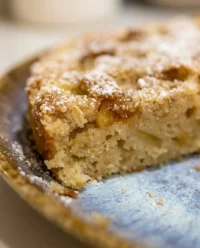
When serving your Mango Butter Cake, think of it as an invitation to pause and enjoy the slower pace of the old way. Use a sharp serrated knife to cut thick, clean slices, revealing the beautiful golden layers of baked fruit nestled inside the dense crumb. Arrange the slices on your favorite vintage china plates and serve them alongside a warm pot of herbal tea or freshly brewed chicory coffee.
To make a quiet afternoon gathering feel a bit more festive, serve each slice with a gentle dollop of lightly whipped cream. The cool, airy cream offers a wonderful contrast to the rich, buttery texture of the golden loaf. If you are looking for an elegant dessert for a special celebration, consider reading our mango drip cake story for beautiful ideas on decorating with fresh summer fruit.
Warming individual slices in a toaster oven for a few minutes before serving is another wonderful option. The gentle heat softens the butter within the crumb, releasing a deep aroma of sweet vanilla and caramelized mango throughout your kitchen. It is a simple gesture that makes your guests feel deeply cared for, turning an ordinary slice of cake into an act of love.
Until Next Time
Baking from scratch is a quiet way of keeping our family traditions alive and sharing love with those who gather at our table. This golden loaf, filled with sweet fruit, brings the comforting spirit of Grandma’s kitchen into your own home. We hope this Mango Butter Cake brings a quiet peace to your table and helps you slow down to appreciate the simple things.
If you find comfort in these traditional, small-batch bakes, we invite you to look through our other family archives. You might find a familiar comfort in our rich ooey gooey butter cake for your next weekend gathering. Every recipe we share is designed to help you step away from the rush of modern life, even if only for a quiet hour of baking.
We would love to see how your kitchen fills with the scent of sweet butter and warm fruit. Share your baking moments with our community on Pinterest or follow our quiet updates on Facebook and TikTok. Let us keep the old ways alive together, one comforting slice at a time.