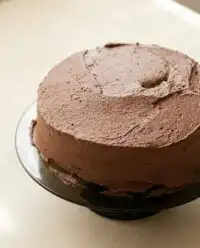
Grandma always said that some fruits carry the very essence of summer warmth, waiting patiently for a bowl of cream and a slow, wooden spoon.

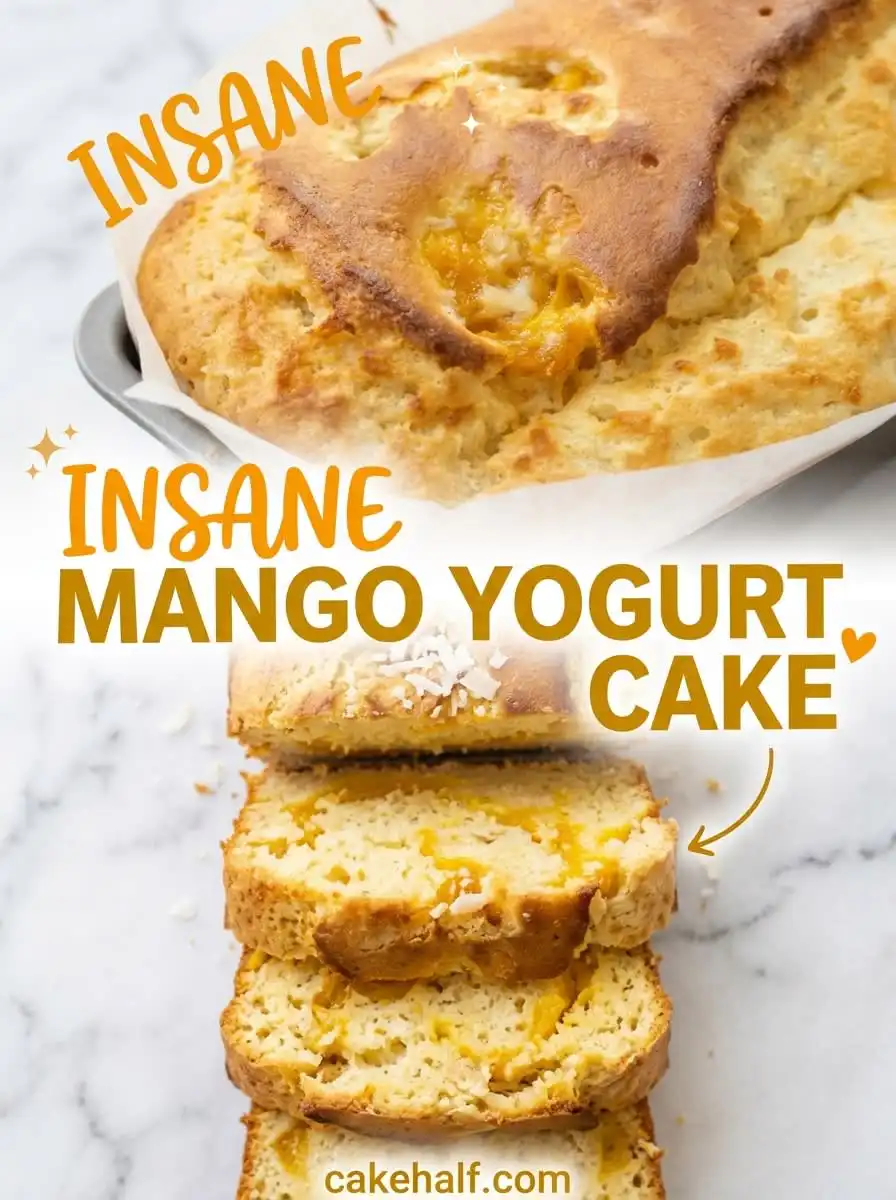
This Mango Yogurt Cake is a beautiful testament to those quiet afternoons when we let the kitchen slow down to match the gentle pace of the seasons. By combining the natural sweetness of ripe fruit with the tender acidity of yogurt, we create a crumb that stays soft for days. It is a simple loaf that does not cry out for attention, yet it commands the room with its subtle fragrance. We bake it in a traditional tin, allowing the gentle heat to transform humble pantry staples into something truly memorable.
Why We Keep Coming Back for Mango Yogurt Cake
Prep: 15 min · Serves: 8 · Difficulty: Medium
- Uses simple, comforting pantry staples.
- Soft yogurt keeps the cake tender.
- Bursting with nostalgic summer fruit flavor.
- Stays fresh and moist for days.
- Requires no complicated kitchen machinery.
This quiet cake will bring your family together around the kitchen table just as it has ours for years. You might also appreciate our classic strawberry lemon yogurt cake for another touch of heritage fruit baking.
Get The Full Cake Recipe
Print
Mango Yogurt Cake
- Total Time: 50 mins
- Yield: 8 servings
- Diet: Vegetarian
Description
This Mango Yogurt Cake offers a tender, moist crumb infused with tropical fruit and a bright citrus whisper. It is a simple, comforting loaf perfect for quiet afternoons and pairs beautifully with a warm cup of tea.
Ingredients
- 180g unsalted butter, softened
- 180g caster sugar
- 1 tablespoon freshly grated lemon rind
- 3 large eggs, at room temperature
- 1 tablespoon lemon juice
- 250g self-raising flour
- 200g mango yogurt
- For the glaze: 100g icing sugar, 20g softened butter, 1 tablespoon lemon juice, 1 tablespoon warm water
Instructions
- Prepare the oven. Preheat your oven to 180ºC (350ºF) and line a 20cm round baking tin with butter and parchment paper.
- Cream butter and sugar. Beat the softened butter, caster sugar, and lemon rind together in a bowl until the mixture is pale, light, and fluffy.
- Add the eggs. Incorporate the room-temperature eggs one by one, beating thoroughly after each addition to ensure a stable batter.
- Add lemon juice. Stir the lemon juice into the mixture until combined, accepting any slight curdling as a natural part of the process.
- Fold in dry ingredients. Alternately fold in the sifted self-raising flour and the mango yogurt in two batches to maintain a light, airy structure.
- Bake the cake. Spread the batter into the prepared tin and bake on the center rack for 35 minutes or until a skewer comes out clean.
- Cool and glaze. Allow the cake to cool in the tin for 15 minutes before inverting onto a wire rack to cool completely and applying the whisked glaze.
Notes
- Ensure all dairy and egg ingredients reach room temperature before mixing to prevent the batter from curdling or becoming dense.
- Use a high-quality full-fat mango yogurt for the best moisture retention and richest tropical flavor profile.
- Avoid over-mixing when folding in the flour to keep the cake crumb tender rather than tough.
- Keep the oven door shut for at least the first 30 minutes of baking to prevent the center from sinking.
- Prep Time: 15 mins
- Cook Time: 35 mins
- Category: Dessert
- Method: Baking
- Cuisine: Modern British
What You’ll Need
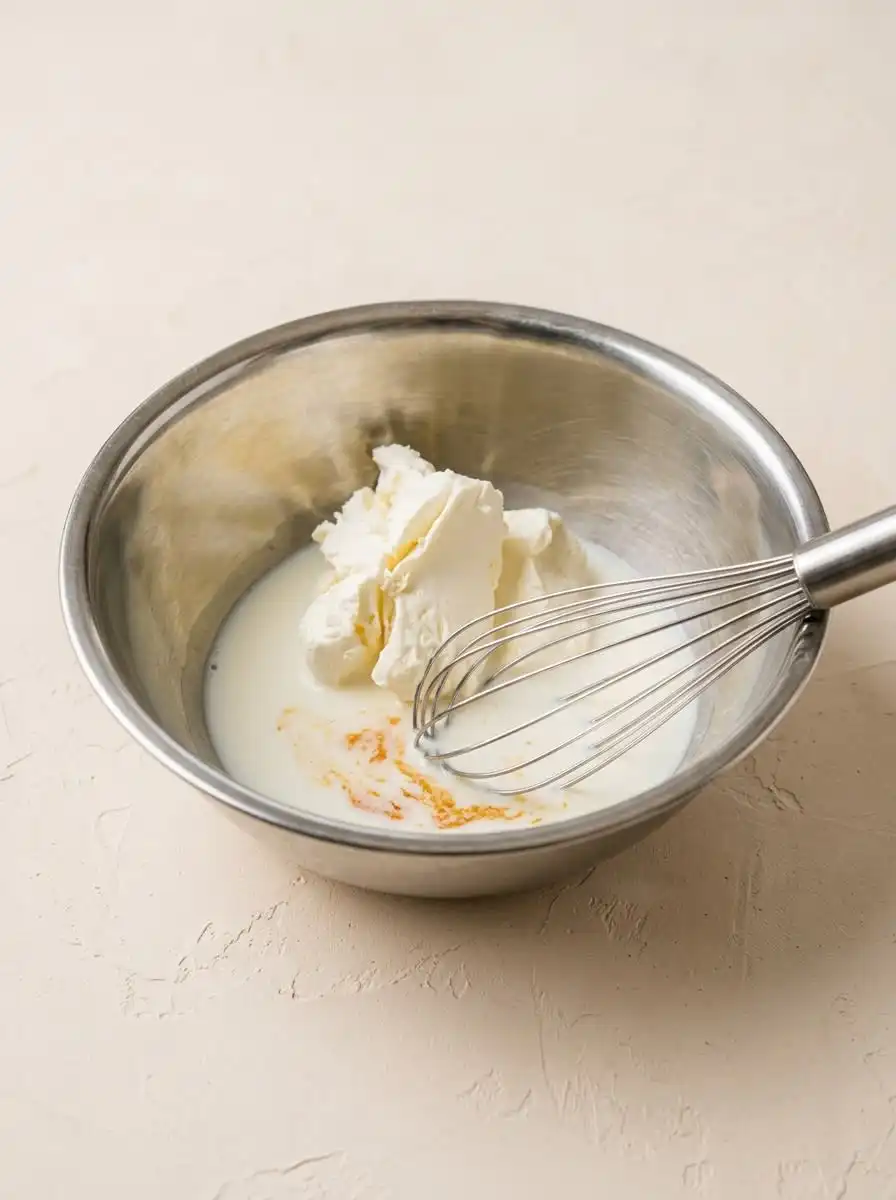
We gather our ingredients with care, choosing pieces that work in harmony rather than competing for attention. Each element has a purpose, speaking of old-fashioned simplicity and the quiet comfort of a warm kitchen. By selecting quality dairy and seasonal fruit, we honor the traditional methods that make small-batch baking a true act of devotion.
- Unsalted Butter: Softened at room temperature, this ingredient provides the tender base and rich flavor. We cream it slowly with sugar to build a delicate, airy structure that melts in your mouth.
- Caster Sugar: This fine-grained sugar dissolves beautifully into the softened butter. It guarantees a uniform sweetness and helps create a lovely golden crust as the cake bakes.
- Lemon Rind: Freshly grated lemon zest cuts through the rich butter with a bright, sunny whisper. It brings out the natural depth of the mango without overpowering it.
- Fresh Eggs: Brought to room temperature before baking, they bind the batter and provide natural lift. They should be beaten into the creamed butter one by one to avoid curdling.
- Self-Raising Flour: Sifted with care, this ingredient provides the necessary structure and built-in rising agents. It keeps the crumb light and uniform throughout the baking process.
- Mango Yogurt: This key ingredient brings deep moisture and a subtle tropical fragrance. The acidity in the yogurt reacts beautifully with the flour, guaranteeing a crumb that is soft and luxurious.
| Ingredient | Why It Matters |
|---|---|
| Softened Butter | Creates a tender crumb and rich, classic flavor base. |
| Caster Sugar | Dissolves easily to build a uniform, delicate structure. |
| Lemon Rind & Juice | Adds a bright, clean citrus note that balances the sweetness. |
| Self-Raising Flour | Provides structure and reliable lift without heavy chemicals. |
| Mango Yogurt | Delivers moisture, acidity, and a soft fruit aroma to the crumb. |
Step by Step in Teresa’s Kitchen
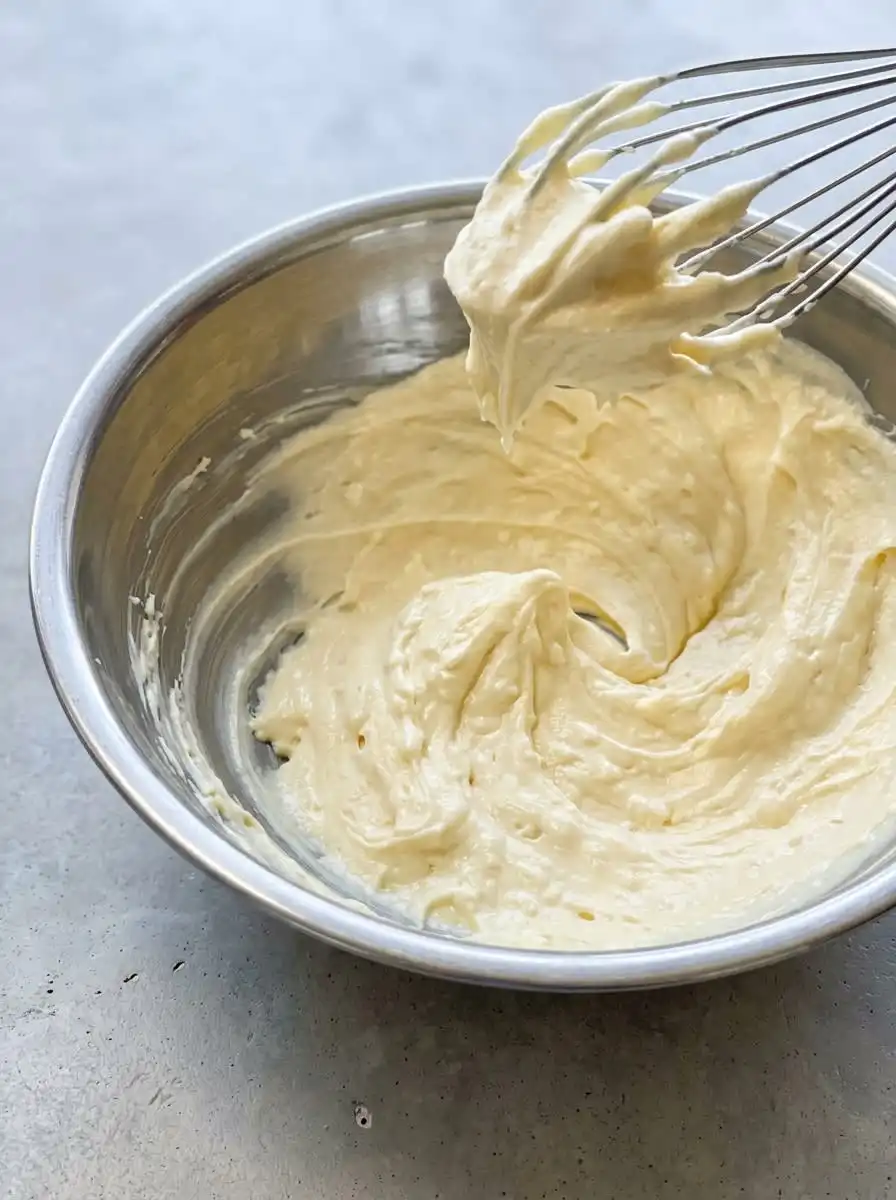
Step 1: Prepare Your Pan and Oven
Preheat your kitchen oven to 180ºC (350ºF) so the air is warm and ready. Take a twenty-centimeter round baking tin, rub it gently with butter, and line the bottom with parchment paper. This preparation prevents sticking and lets the delicate bottom of the cake brown evenly without burning.
Step 2: Cream the Butter and Sugar
Place your softened butter, caster sugar, and freshly grated lemon rind into a wide glass mixing bowl. Use a sturdy wooden spoon or hand mixer to beat these ingredients together until the mixture looks pale, light, and fluffy. You will smell the citrus oil releasing from the rind, filling your kitchen with a gentle warmth.
Step 3: Add the Eggs One by One
Crack the room-temperature eggs into a small cup, then add them to your creamed butter one at a time. Beat thoroughly after each addition so the fat absorbs the liquid completely before the next egg is introduced. This steady pace keeps your batter stable and prevents any separation of ingredients.
Step 4: Incorporate the Fresh Lemon Juice
Pour the single tablespoon of lemon juice into the bowl, stirring gently with your wooden spoon. The batter may look slightly curdled for a brief moment, but do not worry. This acidity is necessary to activate the flour and soften the crumb as the cake bakes in the oven.
Step 5: Fold the Mango Yogurt Cake Batter Gently
Sift half of your self-raising flour into the bowl, followed by half of the thick mango yogurt. Fold these elements together with a light hand, using a rubber spatula or wooden spoon, before repeating with the remaining flour and yogurt. This alternating method keeps the batter smooth and guarantees the gluten does not overdevelop, which would make the cake tough.
Step 6: Bake Until Golden and Fragrant
Spoon the thick, fragrant batter into your prepared round tin, smoothing the top with a spatula. Place the tin on the center rack of your preheated oven and bake for thirty-five minutes. You will know it is done when the top is golden brown and a wooden skewer inserted into the center comes out clean.
Step 7: Cool and Glaze the Surface
Cool the cake in its tin for ten to fifteen minutes, then gently invert it onto a wire rack to cool completely. While it rests, blend the icing sugar, softened butter, lemon juice, and warm water together in a small bowl until completely smooth. Spread this sweet, tangy glaze over the top of the cooled cake, allowing it to drip naturally down the sides.
Secrets from the Recipe Box
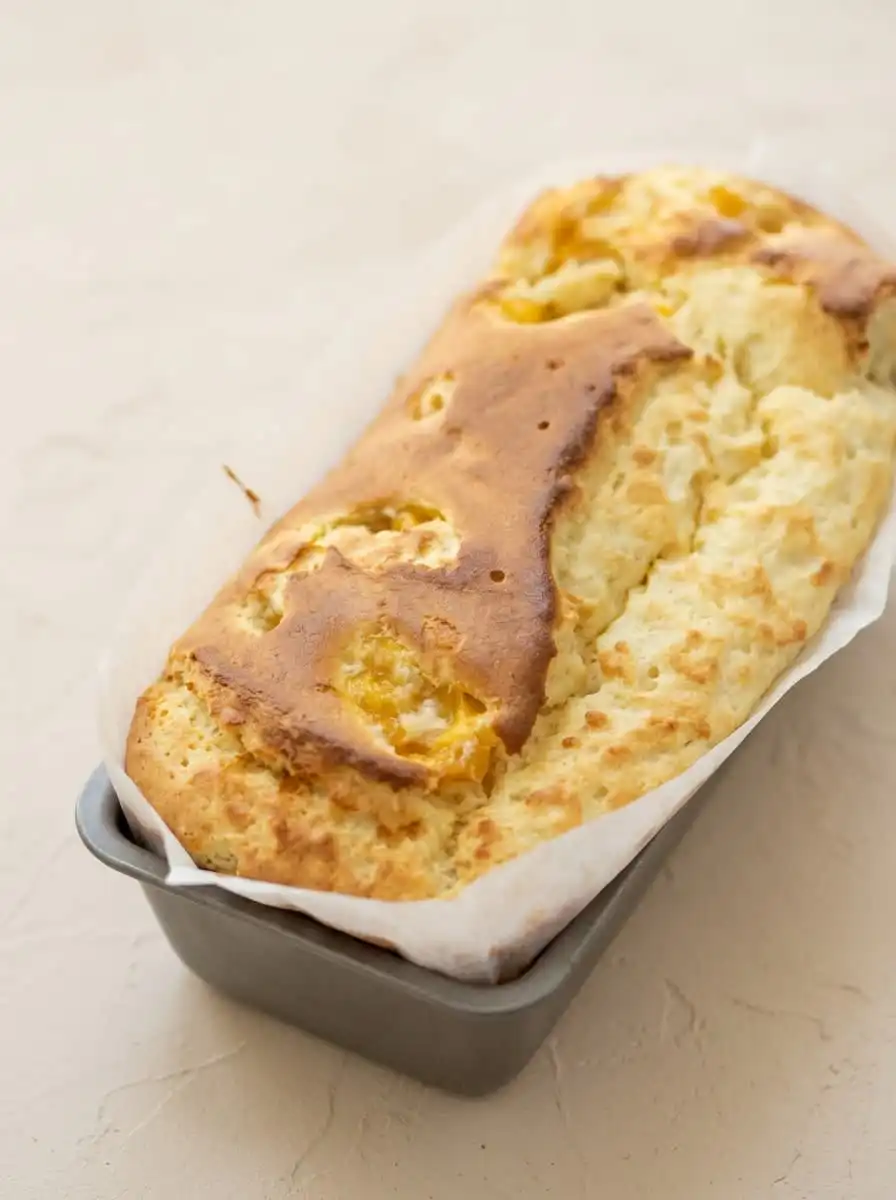
Always use room-temperature ingredients when baking. Cold eggs or cold yogurt can cause the creamed butter to seize, resulting in a dense cake with an uneven texture. Placing cold eggs in a bowl of warm water for five minutes is a gentle way to bring them to temperature.
When measuring your self-raising flour, avoid packing it into the measuring cup. Use a spoon to fluff the flour in its container, scoop it gently into your cup, and level it off with the back of a knife. For those who prefer a classic, citrus-forward bake, our lemon yogurt cake offers a wonderful alternative to master.
If your cake sinks in the middle during baking, here is why and how to fix it. This issue usually happens when the oven door is opened too early in the baking cycle, causing a sudden drop in temperature. Keep the oven door closed until at least thirty minutes have passed, allowing the structure of the cake to set fully before checking.
Use a high-quality, full-fat yogurt rather than a low-fat or watery variety. The fat in the yogurt is critical for creating a tender crumb and maintaining moisture over several days. A strained, thick yogurt with natural mango pieces works best for flavor depth.
Make sure your baking tin is the correct size. Using a tin that is too small will cause the cake to rise too quickly and spill over, while a tin that is too large will yield a flat, dry cake. Stick to a classic twenty-centimeter (eight-inch) round tin for the best height and texture.
Frequently Asked Questions
Can I use Greek yogurt instead of plain yogurt?
Yes, you can use Greek yogurt, but make sure to select a full-fat version for the best results. Greek yogurt is thicker than traditional yogurt, so you may need to stir it well to loosen it before adding it to the flour. This will keep the batter soft and easy to fold.
Why did my mango cake sink in the middle?
A cake often sinks in the center due to an excess of moisture or opening the oven door too early in the baking process. Make sure your oven temperature is accurate by using an oven thermometer, and resist the urge to check on the cake before thirty minutes have passed. Additionally, make sure your self-raising flour is fresh and active.
Can I use frozen or canned mango puree?
You can use canned or frozen mango puree if you cannot find mango yogurt in your local shop. To do this, mix half a cup of plain, full-fat yogurt with two tablespoons of thick mango puree. This simple substitution keeps the moisture levels correct while delivering that beautiful fruit flavor.
How do you store mango yogurt cake?
Keep this cake in an airtight container at room temperature for up to three days. If you live in a warm climate, you can store it in the refrigerator for up to five days to keep the glaze fresh. Bring it back to room temperature before serving to allow the butter to soften and the flavors to bloom.
Can I substitute butter with oil in this cake?
While you can use a neutral vegetable oil, we highly recommend staying with butter for its classic flavor and structure. Butter can be creamed with sugar to trap air, which gives this cake its signature tender crumb. Using oil will result in a denser, heavier texture that lacks that vintage kitchen charm.
How can I make the mango flavor stronger?
To deepen the fruit notes, you can fold a small handful of finely chopped fresh mango pieces directly into the batter. Dust the chopped fruit lightly with flour before folding to keep them from sinking to the bottom of the tin. This technique creates delicious, warm pockets of real fruit throughout the cake.
What is the best yogurt to use for cake?
A traditional, full-fat whole milk yogurt is the best choice for this recipe. It offers the perfect balance of moisture, fat, and acidity to tenderize the flour. Avoid non-fat or highly sweetened commercial yogurts, as they can alter the structure and sweetness of your bake.
Can I bake a mango yogurt cake in an air fryer?
While it is possible to bake in an air fryer, we recommend using a traditional oven for the most even heat distribution. Air fryers circulate heat quickly, which can dry out the exterior before the center is fully baked. If you must use an air fryer, reduce the temperature to 160ºC (320ºF) and monitor the cake closely.
Classic Variations
For a different seasonal twist, you can easily substitute the mango yogurt with a high-quality peach or apricot yogurt. This small swap preserves the beautiful, stone-fruit profile of the cake while offering a subtle shift in aroma. You can read more about balancing fruit flavors in our lemon yogurt cake 2 guide, which details similar ingredient substitutions.
If you prefer a cake with a deeper, richer character, you can use brown sugar in place of caster sugar for the cake batter. This will give the crumb a warm, caramel-like undertone that pairs beautifully with the tropical fruit. The cake will turn a lovely shade of deep gold, reminiscent of autumn afternoons.
To add a delicate texture to the top of your cake, sprinkle a handful of sliced almonds over the batter before it enters the oven. The nuts will toast gently as the cake bakes, providing a beautiful contrast to the soft, tender crumb underneath. This simple touch adds an elegant finish without requiring any extra icing.
At the Table
Serving this cake is an invitation to pause and enjoy a quiet afternoon with those you cherish. Place the cooled, glazed cake on a pedestal stand or a simple ceramic plate in the middle of your kitchen table. It pairs beautifully with a pot of hot black tea or a gentle herbal infusion, allowing the citrus and mango flavors to shine.
For a lovely touch during a Sunday lunch, serve each slice with a small dollop of lightly whipped cream. The cream should be unsweetened to balance the sweet glaze on top of the cake. To discover more about presenting seasonal bakes, take a look at our collection of cake with fruit recipes that honor these simple, traditional pairings.
This dessert is also wonderful when served slightly warm on a chilly afternoon. If you have leftovers, a brief ten-second warm-up in a gentle oven will revive the buttery crumb and make the glaze slightly soft. It is a comforting snack that feels like a quiet hug from the past.
Before You Close the Recipe Box
There is a simple, lasting joy in baking something with your own hands and sharing it with the people you love. This recipe is more than a dessert; it is a bridge to those quiet moments in Grandma’s kitchen where time moved a little slower. We hope this cake becomes a cherished addition to your family table for many seasons to come.
To keep this tradition alive, you can read our beautiful mango butter cake story for more inspiration on using this wonderful summer fruit. Sharing these simple bakes connects us all to a heritage of home baking that we must never lose.
We invite you to join our growing community of home bakers and share your creations with us. You can find more vintage recipes and kitchen wisdom on our Pinterest board, follow our updates on Facebook, or watch our quiet baking videos on TikTok.