Years ago, in a quiet corner of a Parisian kitchen, I learned that even the most unexpected ingredients can yield a crumb of remarkable tenderness. The addition of a carbonated element to a cake batter is not merely a novelty; it is a lesson in aeration and chemical leavening that produces a texture quite unlike anything else. This 7 Up Cake 2 is a study in how we can take humble beginnings and, through precise technique, transform them into a dessert worthy of a porcelain plate.

While the origins of soda-based cakes are often found in the home kitchens of the American South, the logic behind the recipe is purely scientific. The lemon-lime citrus notes and the delicate bubbles work in harmony with the crumb to create a moist, tight-grained sponge. It is a recipe that rewards patience, especially during the cooling and glazing phases where the final beauty of the Bundt shape is revealed.
Mastering the 7 Up Cake 2
There is a quiet joy in the simplicity of this bake, yet it offers a complexity of texture that often surprises even the most seasoned patissiers. The use of 7 Up provides a specific type of lift that baking powder alone cannot replicate, resulting in a crumb that is both dense and incredibly light on the palate. You will find that the lemon pudding mix adds a level of moisture that stays consistent for days, making this an ideal choice for a gathering where excellence must be maintained. Furthermore, the small-batch nature of this recipe allows us to focus on the quality of our ingredients, ensuring that every bite is a testament to our devotion to the craft. By following these precise steps, you will achieve a professional result that far exceeds the sum of its parts.
Print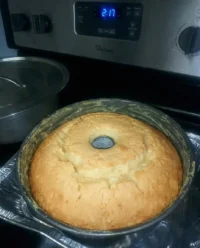
7 Up Cake 2
- Total Time: 1 hour 5 mins
- Yield: 12 servings
- Diet: Vegetarian
Description
This refined 7 Up Cake features a remarkably tender crumb achieved through the unique aeration of carbonated soda and the moisture of lemon pudding. Finished with a silky citrus glaze, it is a sophisticated take on a classic Southern favorite that is perfect for any gathering.
Ingredients
- 4 Large Eggs (room temperature)
- ¾ cup neutral Oil
- ¾ cup 7 Up (room temperature)
- 15.25 oz Yellow Cake Mix
- 4 oz Lemon Pudding Mix
- Powdered sugar (sifted) for the glaze
- Fresh lemon juice for the glaze
- Whole milk for the glaze
Instructions
- In a large glass mixing bowl, whisk the room temperature eggs, neutral oil, and 7 Up until the mixture is completely smooth and emulsified.
- Gradually incorporate the yellow cake mix and lemon pudding mix, stirring until just combined to maintain a delicate crumb.
- Generously grease and flour a 10-inch Bundt pan, ensuring every indentation is well-coated.
- Bake at 325 degrees F (163 degrees C) for 45 to 55 minutes, or until a wooden skewer inserted into the center comes out clean.
- Allow the cake to cool completely in the pan to set its structure before carefully inverting it onto a serving plate.
- Whisk together the sifted powdered sugar, fresh lemon juice, and milk to a heavy cream consistency, then drizzle over the cooled cake.
Notes
For the most consistent rise, ensure all liquid ingredients are at room temperature to prevent the batter from curdling. When applying the glaze, ensure the cake is entirely cool to the touch so the icing sets into a beautiful, opaque finish rather than soaking into the sponge.
- Prep Time: 15 mins
- Cook Time: 50 mins
- Category: Dessert
- Method: Baking
- Cuisine: American
The Foundation of Quality
To achieve a result that is truly refined, one must look at each component as a building block of flavor and structure. Each ingredient serves a purpose in the delicate chemistry of this cake.
- Large Eggs (4): These must be at room temperature to ensure they emulsify perfectly with the fats, creating a stable structure for the sponge.
- Oil (¾ cup): A high-quality neutral oil provides the necessary fat for a tender crumb without masking the bright citrus notes we wish to highlight.
- 7 Up (¾ cup): This is our secret to aeration; the carbonation provides a unique lift and the citric acid reacts with the sugars for a bright, clean finish.
- Yellow Cake Mix (15.25 oz): This serves as our balanced dry base, providing the structure and foundational sweetness required for the bake.
- Lemon Pudding Mix (4 oz): This is essential for the silky texture we desire, acting as a humectant to keep the cake moist even after it has cooled.
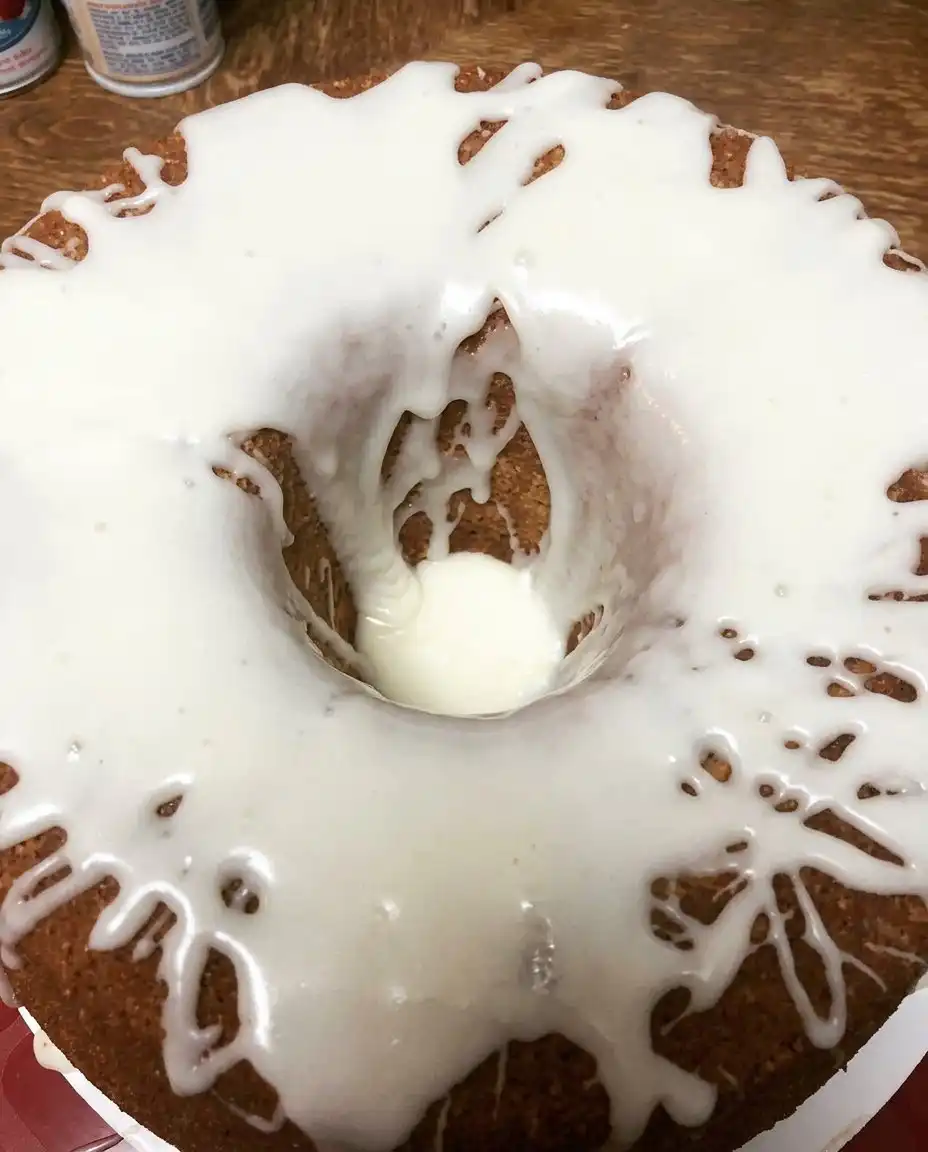
- The Glaze: A simple but elegant mixture of sifted powdered sugar, fresh lemon juice, and whole milk creates a glossy finish that drapes beautifully over the cooled cake.
The Method of Precision
Step 1: Emulsifying the Liquid Base
In a large glass mixing bowl, combine your room temperature eggs, neutral oil, and the 7 Up. Whisk these together with a gentle but steady hand until the mixture is completely smooth and the ingredients are fully integrated.
Step 2: Incorporating the Dry Foundation
Gradually add the yellow cake mix and the lemon pudding mix to your liquid base. It is vital to mix until these are just combined; over-mixing at this stage can develop too much gluten, which would compromise the delicate, tender crumb we are seeking.
Step 3: Preparing the Vessel
Grease your 10-inch Bundt pan generously with butter and a light dusting of flour. Every curve and indentation of the pan must be coated to guarantee the cake releases with its elegant design intact.
Step 4: The Golden Bake
Pour the batter into the prepared pan and bake at 325 degrees F (163 degrees C). The lower temperature allows the cake to rise evenly without cracking. Bake for 45 to 55 minutes, or until a wooden skewer inserted into the center comes out clean.
Step 5: The Cooling Period
Patience is a virtue in the kitchen. Let the cake cool completely in the pan before attempting to invert it. This allows the internal structure to set, preventing the cake from breaking during the delicate transition to the serving plate.
Step 6: The Velvet Glaze
Once the cake is entirely cool, whisk together the sifted powdered sugar, fresh lemon juice, and milk. The consistency should be like heavy cream—thick enough to hold its shape but fluid enough to drizzle gracefully over the peaks of the Bundt.
Pastry Wisdom for Perfect Results
The difference between a simple cake and a masterpiece lies in the details of the technique. Always make sure your ingredients, especially the eggs and soda, are at room temperature to avoid shocking the batter and causing it to curdle. When preparing your glaze, the act of sifting the powdered sugar is non-negotiable; it is the only way to achieve a truly glossy and professional finish without unsightly lumps. For those looking to master similar citrus techniques, I recommend reviewing our guide on lemon-drizzle-cake, which shares the same devotion to bright, sharp flavors. Additionally, you can find further inspiration for soda-based bakes at this detailed 7 Up cake guide for a different perspective on the proportions and history of this Southern classic.
Refined Twists on a Classic
While the traditional lemon-lime profile is exquisite, one can introduce subtle variations to suit the season. A teaspoon of freshly grated orange zest added to the batter can provide a more complex citrus bouquet. For a floral note, a drop of high-quality lavender essence creates a beautiful pairing with the lemon. If you are interested in more traditional styles, our vintage-cake recipe offers a look at how these methods have evolved over the decades. You might also consider replacing the 7 Up with a dry sparkling ginger ale for a spicy, sophisticated warmth that pairs beautifully with the lemon glaze and a touch of crystallized ginger on top.
The Final Touch of Presentation
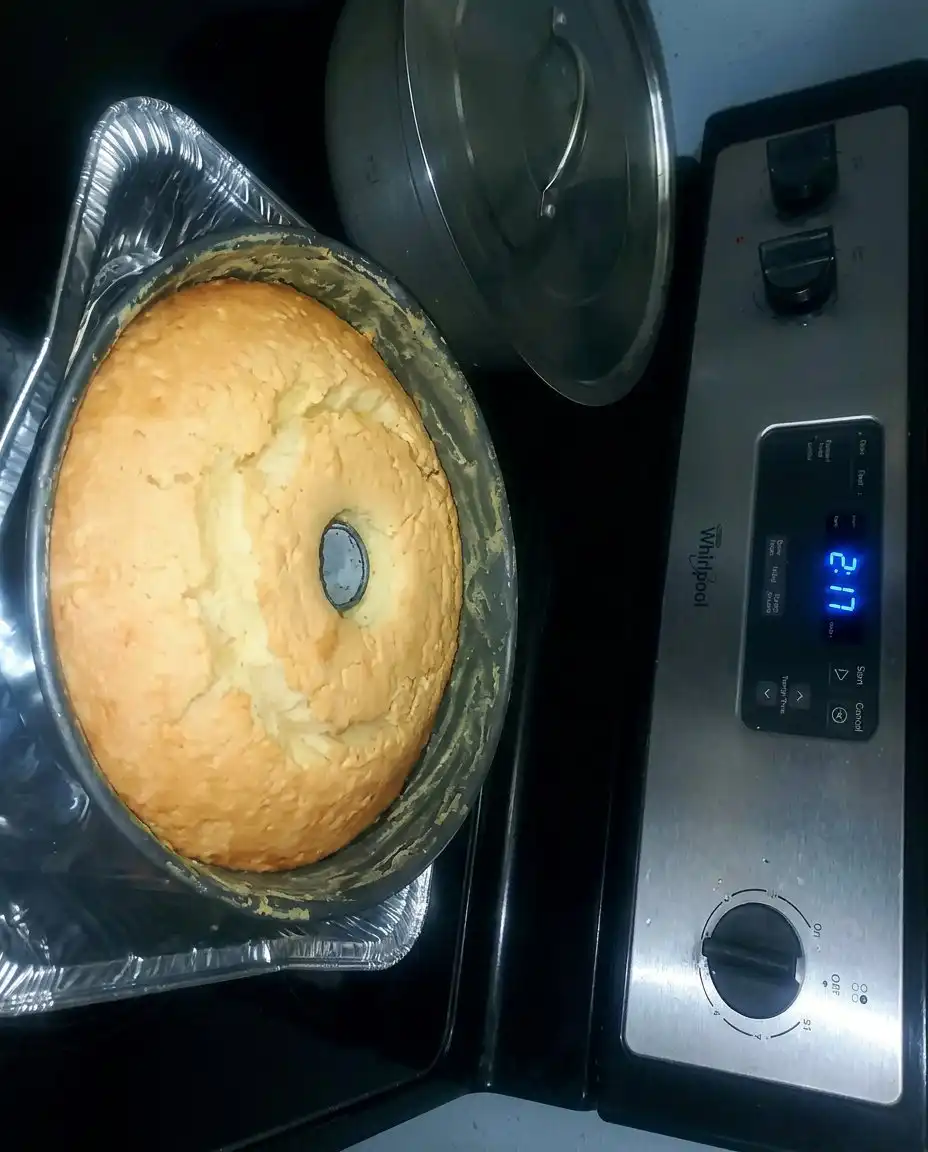
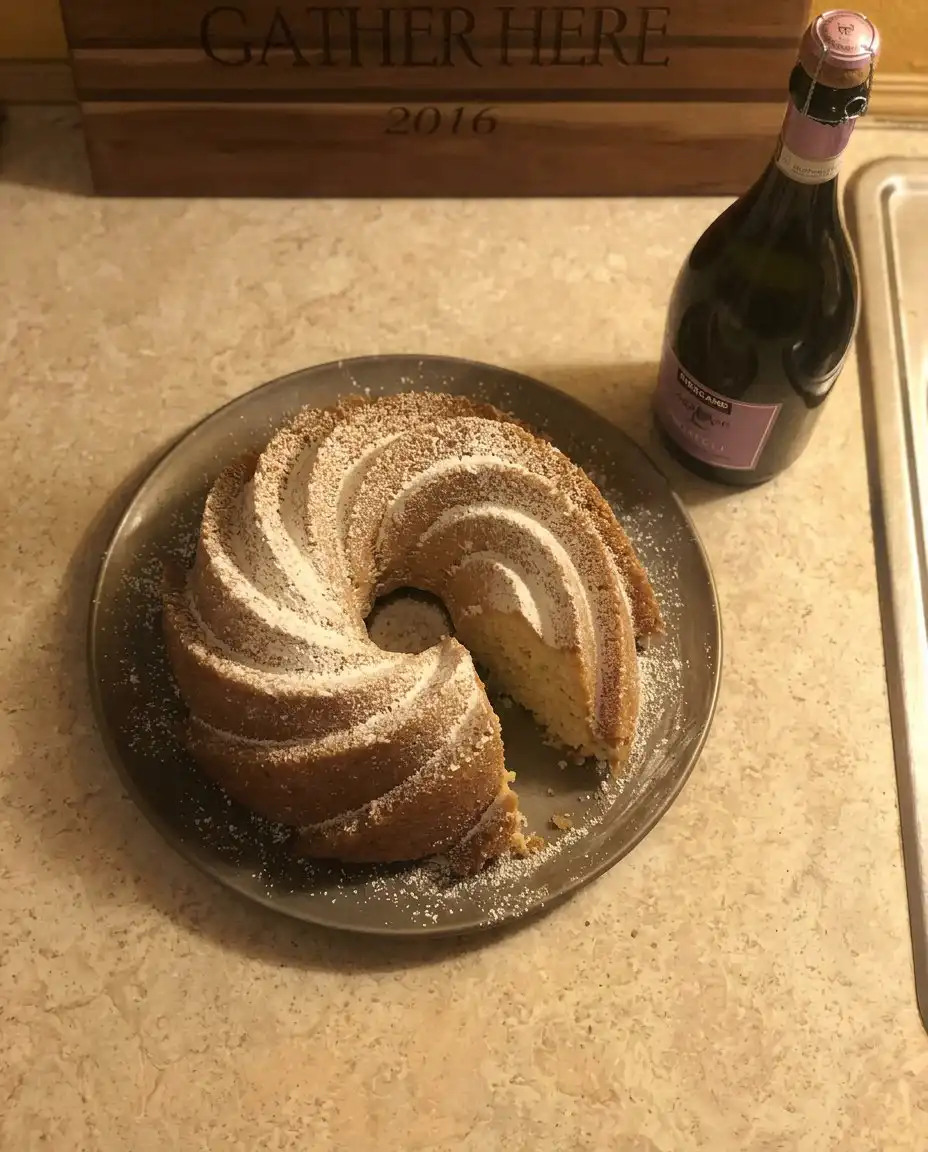
Presentation is the final act of the baker’s labor. Place your glazed cake on a footed cake stand to give it the prominence it deserves. I prefer to serve this with a dollop of lightly sweetened Chantilly cream or a side of fresh raspberries to balance the sweetness of the lemon glaze. This cake is a perfect accompaniment to a late afternoon tea or a glass of chilled dessert wine. For a similar pairing idea, our lemon-yogurt-cake provides a wonderful alternative for an elegant brunch setting. Always slice with a sharp, warm knife to maintain the integrity of the delicate crumb.
The Art of Small Batches
Mastering a recipe like this allows us to appreciate the subtle chemistry of baking. It is a reminder that even when we use convenient ingredients, our dedication to temperature, mixing, and patience determines the quality of the final result. I hope this cake brings a sense of refined satisfaction to your kitchen and joy to those you share it with. For those who enjoy cakes with a festive spirit, do try our champagne-cake for your next celebration. Please share your results with our community on Instagram and Facebook. You can also find more of my technical tips on Pinterest or join the conversation on X.