On a rainy Tuesday morning last March, I found myself pulling out the heavy oak box that houses my most precious handwritten notes. Tucked between a recipe for ginger snaps and a faded card for basic scones was this specific version, which I have come to call my Lemon Drizzle Cake 3, a recipe that has seen many subtle refinements over the years. The card is stained with a tiny drop of yellow citrus juice, a silent witness to many afternoons spent whisking and tasting in my sun-drenched kitchen. There is a quiet beauty in finding a recipe that feels like an old friend waiting to be revisited.

This particular loaf is the epitome of what I believe a home-baked treat should be: humble, bright, and deeply comforting. It uses simple pantry staples that most of us keep on hand, coming together in a single bowl with very little fuss or noise. The magic lies in the double-glaze finish, which creates a delicate, sugary crust that gives way to a sponge so tender it almost melts on the tongue. It is the kind of cake that makes the house smell like a summer garden, even when the frost is still thick on the windowpane.
A Bright Spot in the Recipe Box
There are many reasons this cake has remained a staple in my household, but perhaps the most enduring is its absolute reliability. This Lemon Drizzle Cake 3 doesn’t ask for fancy equipment or hard-to-find ingredients; it only asks for a little bit of your time and a high-quality lemon. The texture is what truly sets it apart from more modern, airy sponges. It has a tight, fine crumb that feels substantial and honest, reminiscent of the cakes my grandmother would serve on her best floral china during Sunday tea.
You will find that the balance of tart and sweet is perfected here through a unique two-step icing process. Instead of a thick, cloying frosting that hides the cake, we use a thin syrup and a light glaze. This allows the natural brightness of the citrus to shine through without overwhelming the delicate buttery notes of the sponge. It is a refreshing change of pace from the heavy chocolate desserts we often see, offering a light and zesty finish to any meal. Whether you are a seasoned baker or someone just starting to find their way around a wooden spoon, this recipe offers a sense of accomplishment that only a perfectly risen loaf can provide.
Print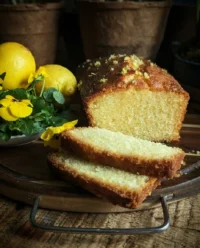
Lemon Drizzle Cake
- Total Time: 1 hour 5 mins
- Yield: 10 slices
Description
This classic British Lemon Drizzle Cake combines a tender, fine-crumbed sponge with a signature zesty crunch. The double-glazing technique ensures every slice is infused with bright citrus flavor and finished with a delicate sugary crust.
Ingredients
- 170g self-raising flour
- 115g butter or margarine, softened
- 170g caster sugar
- 2 large free-range eggs
- 5 tbsp milk
- 1 large lemon (zest and juice)
- 85g icing sugar
Instructions
- Preheat your oven to 180°C (350°F), or 160°C for fan-assisted ovens. Line a 2lb (900g) loaf tin with greaseproof paper.
- In a large bowl, sift the flour and add the softened butter, caster sugar, eggs, milk, and lemon zest. Mix until the batter is smooth and uniform.
- Pour the batter into the prepared tin and smooth the top. Bake for 45 to 50 minutes until golden brown and a skewer comes out clean.
- Remove the tin from the oven and let it sit on a wire rack for five minutes. Use a skewer to poke holes all over the top of the cake, reaching nearly to the bottom.
- In a small bowl, whisk half of the icing sugar (approx. 42g) with the lemon juice. Spoon half of this syrup slowly over the warm cake.
- Add the remaining icing sugar to the leftover syrup and stir to create a cloudy glaze. Spoon this over the top of the cake and let it cool completely.
Notes
For the best result, ensure your butter is truly at room temperature to avoid a curdled batter. If you find your cake browning too quickly in the oven, simply cover the top loosely with a piece of foil for the final ten minutes of baking.
- Prep Time: 15 mins
- Cook Time: 50 mins
- Category: Dessert
- Method: Baking
- Cuisine: British
Pantry Treasures for a Zesty Loaf
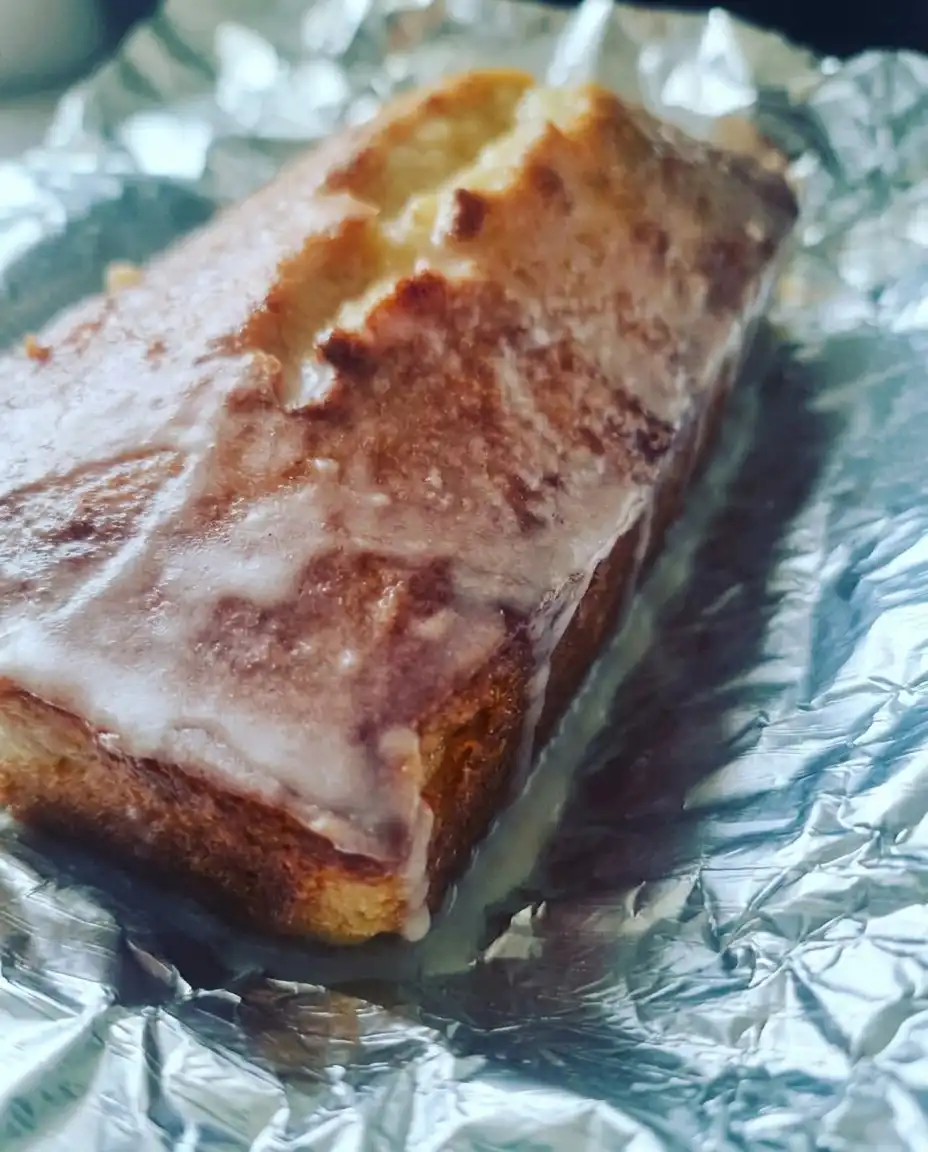
When we look into our cupboards for the ingredients of this classic, we are looking for items that speak of quality and tradition. Each component plays a vital role in creating that signature texture we all know and love. In my kitchen, I always reach for the digital scales first, as baking by weight is the old way that yields the most consistent results.
- Self-raising Flour (170g / approx. 1 1/3 cups): This provides the necessary lift and structure. I always recommend sifting it gently to keep the sponge light.
- Butter or Margarine (115g / 1/2 cup): Make sure this is softened to room temperature. It should be soft enough that a thumbprint remains when pressed, but not oily or melted.
- Caster Sugar (170g / 3/4 cup): This fine-textured sugar dissolves beautifully into the butter, creating a smooth batter that bakes evenly.
- Free-range Eggs (2 large): These provide the richness and binding power. I like to let them sit on the counter for an hour before using so they aren’t cold from the fridge.
- Milk (5 tbsp): A little splash of milk ensures the batter is at the right dropping consistency, making for a moist finish.
- Lemon (1 large): We use both the zest for the sponge and the juice for the drizzle. Choose a lemon that feels heavy for its size, as it will be the most succulent.
- Icing Sugar (85g / approx. 2/3 cup): This is for our two-part drizzle, creating that wonderful sugary crunch on the top of the loaf.
The Gentle Art of Baking
Step 1: Prep Your Space
Begin by pre-heating your oven to 180°C (350°F). If you have a fan-assisted oven, set it to 160°C, or Gas Mark 4 for those using older ranges. Line your 2lb (900g) loaf tin with greaseproof paper. I find that leaving a little bit of paper hanging over the long edges makes it much easier to lift the cake out later without disturbing the delicate crust.
Step 2: Combine the Batter
In a large, sturdy bowl, sift your flour. Add the softened butter, caster sugar, eggs, milk, and the freshly grated zest of your lemon. Use a wooden spoon or a hand mixer to combine everything. You are looking for a batter that is smooth and uniform. Don’t overwork it; just mix until no streaks of flour remain and the ingredients have come together in a beautiful, pale yellow cream.
Step 3: Into the Oven
Transfer the batter into your prepared tin, smoothing the top with the back of a spoon so it reaches the corners. Place it on the middle rack of your oven and bake for 45 to 50 minutes. You will know it is ready when the top has turned a lovely golden brown and a wooden skewer inserted into the center comes out clean and dry. The scent filling your kitchen at this moment is one of the greatest joys of home baking.
Step 4: The Skewer Secret
Remove the tin from the oven and let it sit on a wire rack for exactly five minutes. While it is still quite hot, take your skewer and poke holes all over the top of the cake. Be brave and go nearly all the way to the bottom. These little channels will allow our lemon syrup to travel deep into the heart of the sponge.
Step 5: The First Drizzle
In a small bowl, whisk together half of your icing sugar (about 42g) with the juice of your lemon. It should look like a clear, runny syrup. Spoon half of this mixture slowly over the top of the warm cake. Watch as the sponge drinks up the liquid, pulling that bright citrus flavor inside. This is the secret to a cake that stays moist for days.
Step 6: The Final Glaze
Add the remaining half of the icing sugar to the syrup that is still in your small bowl. Stir it well until you have a slightly thicker, cloudy glaze. Spoon this over the top of the cake while it is still warm. It will settle into the holes and across the surface, drying into a thin, crackly white crust as the cake cools. If you have a little extra zest, sprinkle it over the top now for a beautiful finish.
Wisdom from the Kitchen Counter
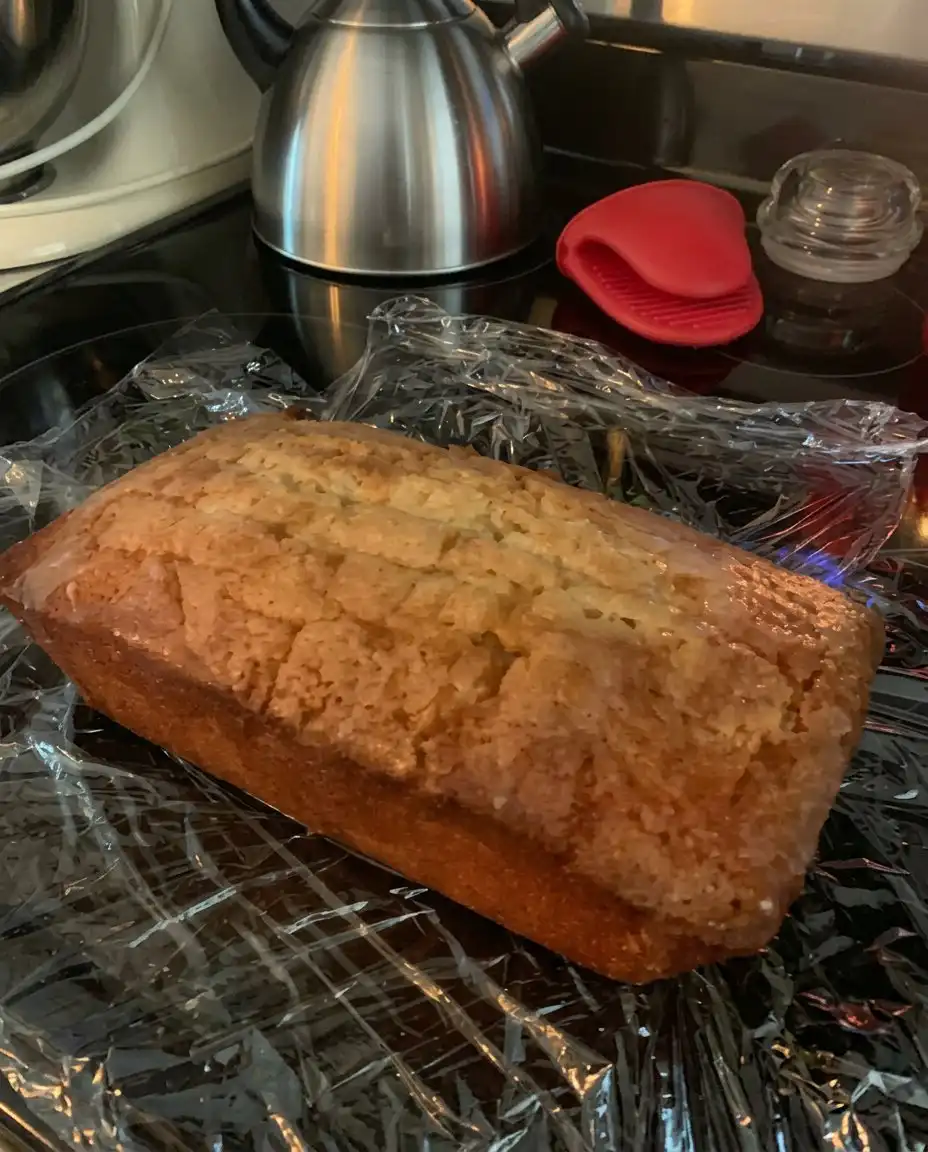
One of the most important things I have learned over the decades is that the temperature of your ingredients truly matters. If your eggs are too cold, they might cause the butter to curdle when you mix them. If this happens, don’t worry—just add a tablespoon of your flour to help bind things back together. I also highly recommend using a digital scale for this Lemon Drizzle Cake 3 as accuracy is the hallmark of a successful bake. Sifting the icing sugar is another small step that makes a big difference; it prevents those tiny lumps that can ruin the look of your final glaze.
When it comes to the lemon, try rolling it firmly against the countertop with your palm before cutting it. This breaks the small membranes inside and helps you get every last drop of juice. If you enjoy this bright profile, you might also like to try our lemon yogurt cake for a slightly different texture that is just as refreshing. For more inspiration on traditional methods, you can see how other bakers handle this classic at Baking with Granny. Always remember to let the cake cool completely in the tin before trying to lift it out, as the syrup makes it quite fragile while it is still warm.
Personal Touches for Your Table
While this recipe is a classic for a reason, I know that sometimes we want to add a little something from our own gardens or memories. A very traditional variation is to add a tablespoon of poppy seeds to the batter. They provide a lovely little crunch and a beautiful speckled appearance that looks wonderful on a serving platter. You can also try replacing the lemon juice with orange juice for a softer, sweeter citrus note that children often find very appealing.
For those who like a hint of floral sweetness, a tiny splash of elderflower cordial in the drizzle syrup can be a delightful surprise. If you find yourself in the mood for something more colorful and festive for a birthday or gathering, our lemon rainbow cake is a wonderful way to take these citrus flavors to a new level. You can even experiment with adding a pinch of ground ginger to the flour if you want a warm, spicy undertone that pairs beautifully with the sharp lemon. No matter which path you choose, keep the base measurements the same to ensure the cake retains its signature tender crumb.
Gathering Round the Table
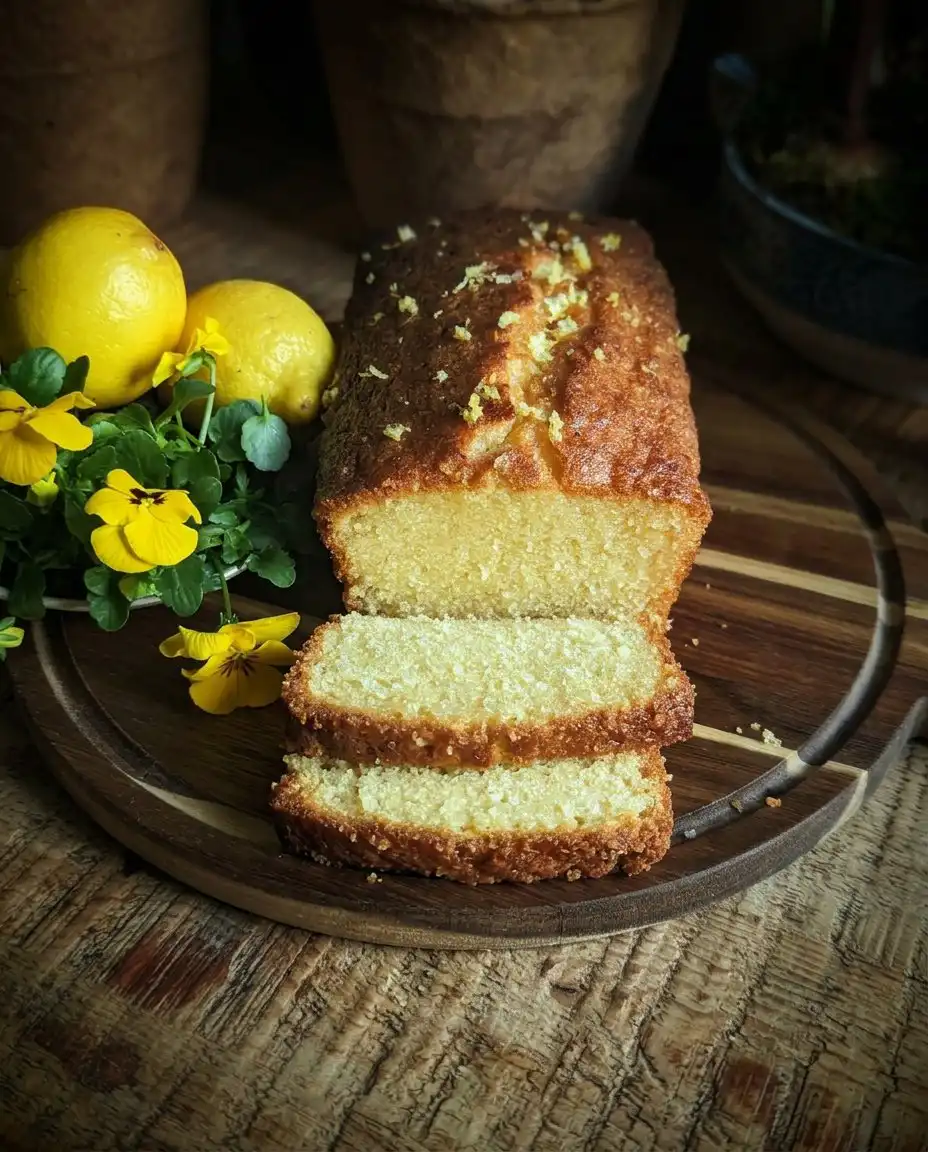
This cake is best served in thick, generous slices alongside a steaming pot of Earl Grey tea. In my home, we often use the old floral side plates that have been in the family for years; there is something about the combination of blue-and-white china and the bright yellow cake that feels so right. If you are serving this as a dessert after a Sunday roast, a dollop of lightly whipped cream or a spoonful of thick Greek yogurt on the side can help balance the sweetness of the glaze.
For an afternoon garden party, you might arrange the slices on a silver tray with a few fresh mint leaves or edible pansies for a touch of color. If you are looking for a more decadent citrus dessert to serve at a larger gathering, you should certainly try our lemon cheesecake, which offers a rich and creamy contrast to this light loaf. I find that this cake is also a wonderful gift; wrap the whole loaf in parchment paper and tie it with a bit of kitchen twine to bring a little bit of homemade sunshine to a neighbor or a friend in need of a pick-me-up.
A Final Slice of Memory
Baking this Lemon Drizzle Cake 3 always reminds me that the most enduring recipes are often the simplest ones. It isn’t about the height of the frostings or the complexity of the decorations, but the love and care we put into sifting the flour and zesting the fruit. I hope this cake finds a permanent place in your own recipe box, perhaps becoming a tradition that you pass down to your own children or grandchildren. If you find yourself craving more of these bright, sunny flavors, do take a look at our original lemon drizzle cake for more helpful hints and history.
I would dearly love to see your bakes and hear about the memories you create in your kitchen. Please share your photos and stories with our community on Pinterest or Instagram. You can also follow us on Facebook for more vintage baking inspiration. There is always a place at our table for one more story and one more slice of cake. Happy baking, from my kitchen to yours.