There is a profound stillness in a small kitchen when the only sound is the rhythmic stirring of a heavy wooden spoon against a glass bowl, honoring the quiet philosophy of just enough.
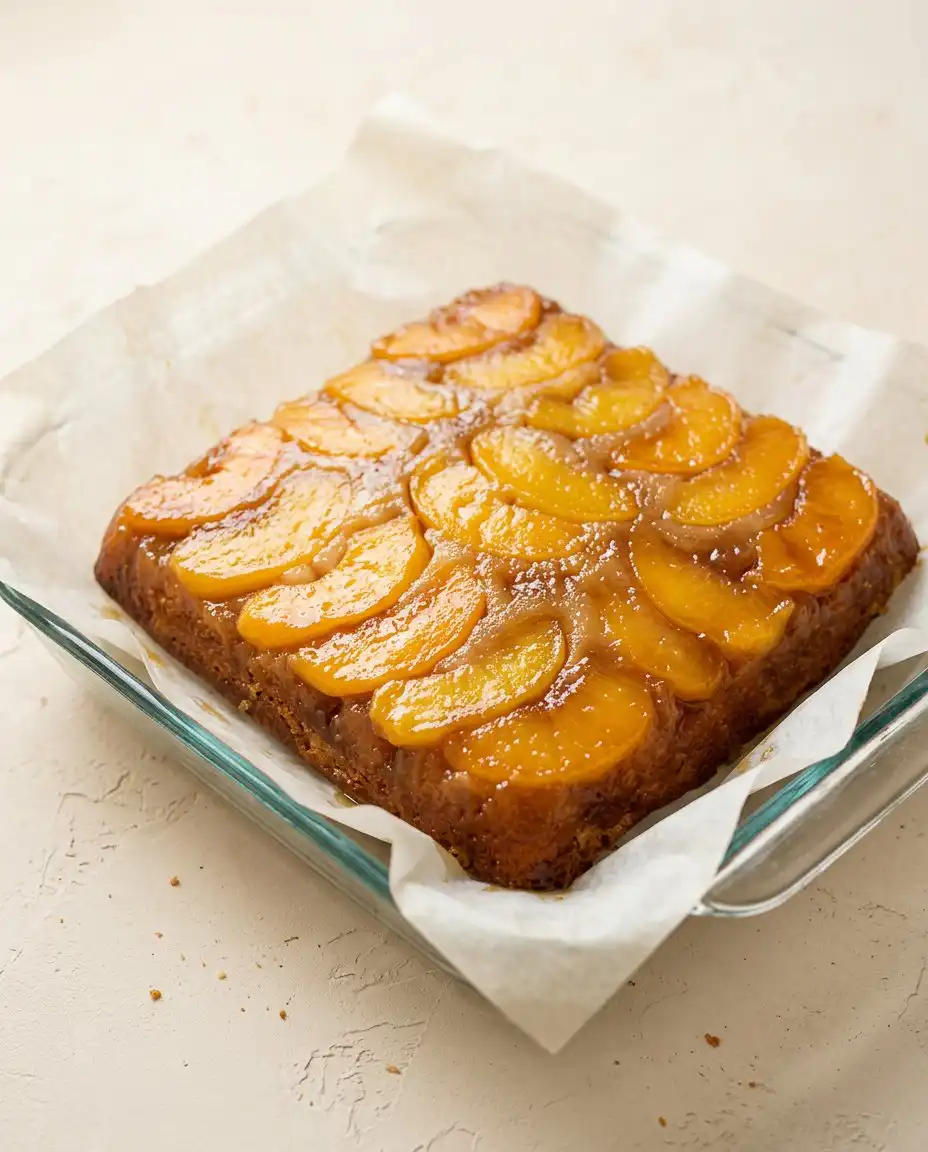
Baking a Classic Peach Upside Down Cake is an act of patience that rewards the soul with the scent of caramelized sugar and stone fruit. This recipe relies on the simple chemistry of heat and butter to transform humble peaches into a glowing, stained-glass topping. I find that the small-batch nature of this bake ensures every ingredient is respected and every slice is cherished at the table. It is a timeless dessert that carries the weight of heritage in its tender, golden crumb.
Why We Keep Coming Back to Classic Peach Upside Down Cake
Prep: 20 min · Serves: 9 · Difficulty: Easy
- Warm peaches create a natural summer syrup.
- Simple pantry staples transform into golden cake.
- Every slice holds a memory of home.
- The nutmeg adds a subtle kitchen warmth.
- This small batch serves exactly enough people.
Finding the right balance of fruit and sponge is simple when you follow this peach dump cake method of layering.
This is the recipe my family gathers for every harvest season when the fruit is heavy on the branch.
Get The Full Cake Recipe
Print
Classic Peach Upside Down Cake
- Total Time: 1 hour
- Yield: 9 servings
Description
This timeless dessert features juicy, caramelized peaches topped with a tender, golden-crumb sponge. It is a perfect small-batch treat that honors heritage baking methods and celebrates seasonal stone fruit.
Ingredients
- Fresh peaches
- Light brown sugar
- Ground nutmeg
- Unsalted butter
- White sugar
- Large egg
- All-purpose flour
- Baking powder
- Salt
- Whole milk
Instructions
- Prepare the pan. Preheat oven to 375°F (190°C) and melt a quarter-cup of butter in an 8-inch square pan.
- Create the base. Sprinkle brown sugar and nutmeg over the melted butter to form a uniform, spiced paste.
- Arrange the fruit. Place peeled, halved peaches cut-side down into the sugar mixture in the pan.
- Cream butter mixture. Beat softened butter and white sugar in a bowl until light, fluffy, and pale in color.
- Add the egg. Incorporate the egg into the creamed butter mixture, beating until the batter is smooth and fully emulsified.
- Combine dry ingredients. Alternately stir in the flour, baking powder, salt, and milk until just combined, ensuring a smooth texture.
- Bake the cake. Spread the batter over the peaches and bake for 35 to 40 minutes until golden brown.
- Invert and serve. Let the cake rest for five minutes before inverting it onto a platter to serve.
Notes
- Use slightly firm peaches to prevent them from becoming too mushy during the baking process.
- Ensure your butter is at true room temperature to properly cream the mixture for a light, airy sponge.
- Perform the inversion while the cake is still warm to prevent the caramel glaze from hardening in the pan.
- Avoid over-mixing the batter after adding the flour to keep the cake crumb tender and delicate.
- Prep Time: 20 mins
- Cook Time: 40 mins
- Category: Dessert
- Method: Baking
- Cuisine: American
Gathering Your Ingredients
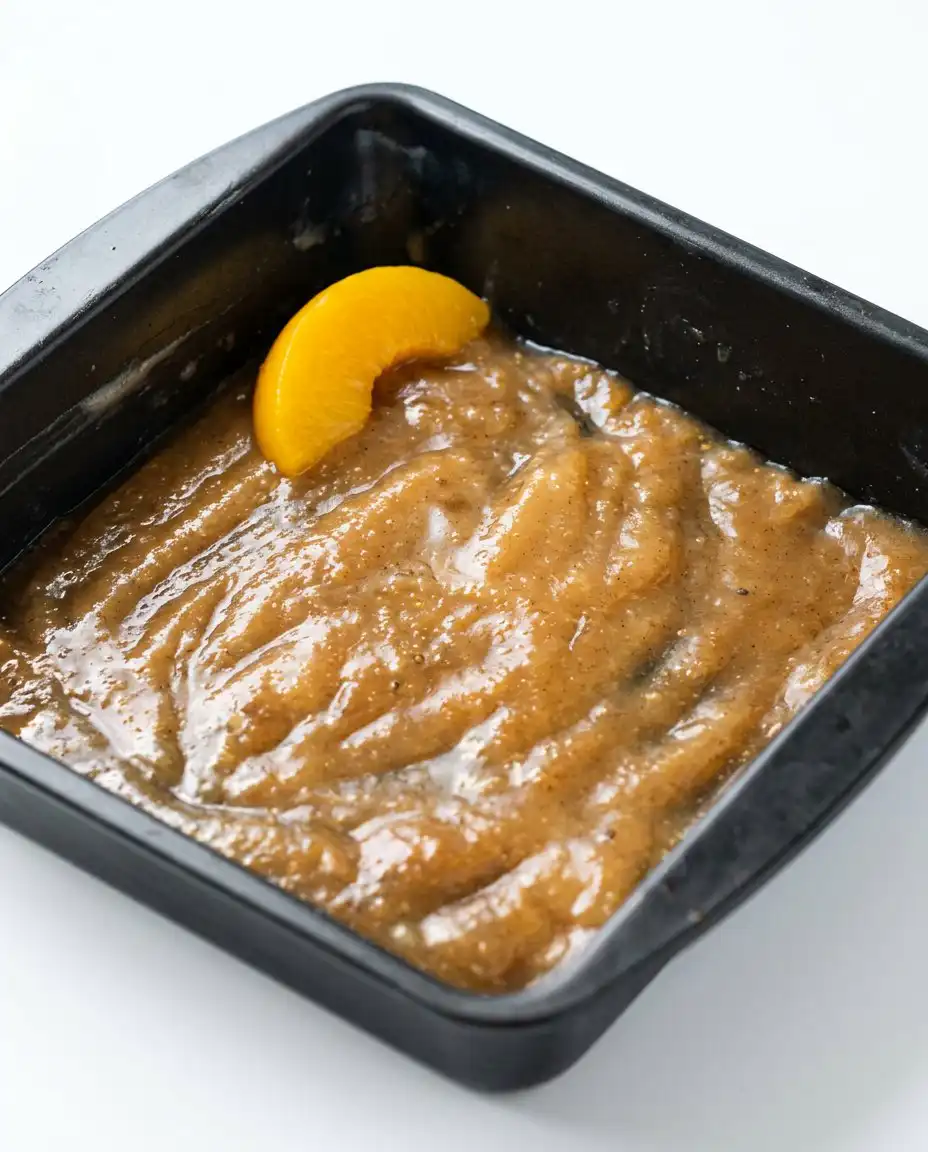
You will find that the beauty of this bake lies in the quality of the harvest you bring into your kitchen from the pantry shelf. Selecting peaches that are ripe but firm ensures they hold their shape under the weight of the batter and the heat of the oven. These basic elements work together to create a harmony of textures that has defined Sunday afternoons for many generations.
- Fresh Peaches: Use ripe fruit that gives slightly to pressure so the natural juices release during the baking process.
- Light Brown Sugar: This provides the deep molasses note required to create a rich caramel glaze on the bottom of the pan.
- Ground Nutmeg: A small amount of this spice offers a woodsy aroma that perfectly complements the floral sweetness of the fruit.
- Unsalted Butter: High-quality butter provides the fat necessary for a tender crumb and a silky topping.
- Baking Powder: This leavening agent gives the cake its lift, ensuring the sponge remains light and airy.
- Whole Milk: The protein and fat in whole milk contribute to the moisture and structure of the delicate batter.
| Ingredient | Why It Matters |
|---|---|
| Fresh Peaches | Provide the juicy, tart base and primary flavor |
| Brown Sugar | Creates the caramelized upside-down glaze |
| Nutmeg | Adds a layer of vintage warmth and depth |
| All-purpose Flour | Builds the essential structure of the sponge |
| Whole Milk | Softens the crumb for a tender mouthfeel |
Bringing It Together
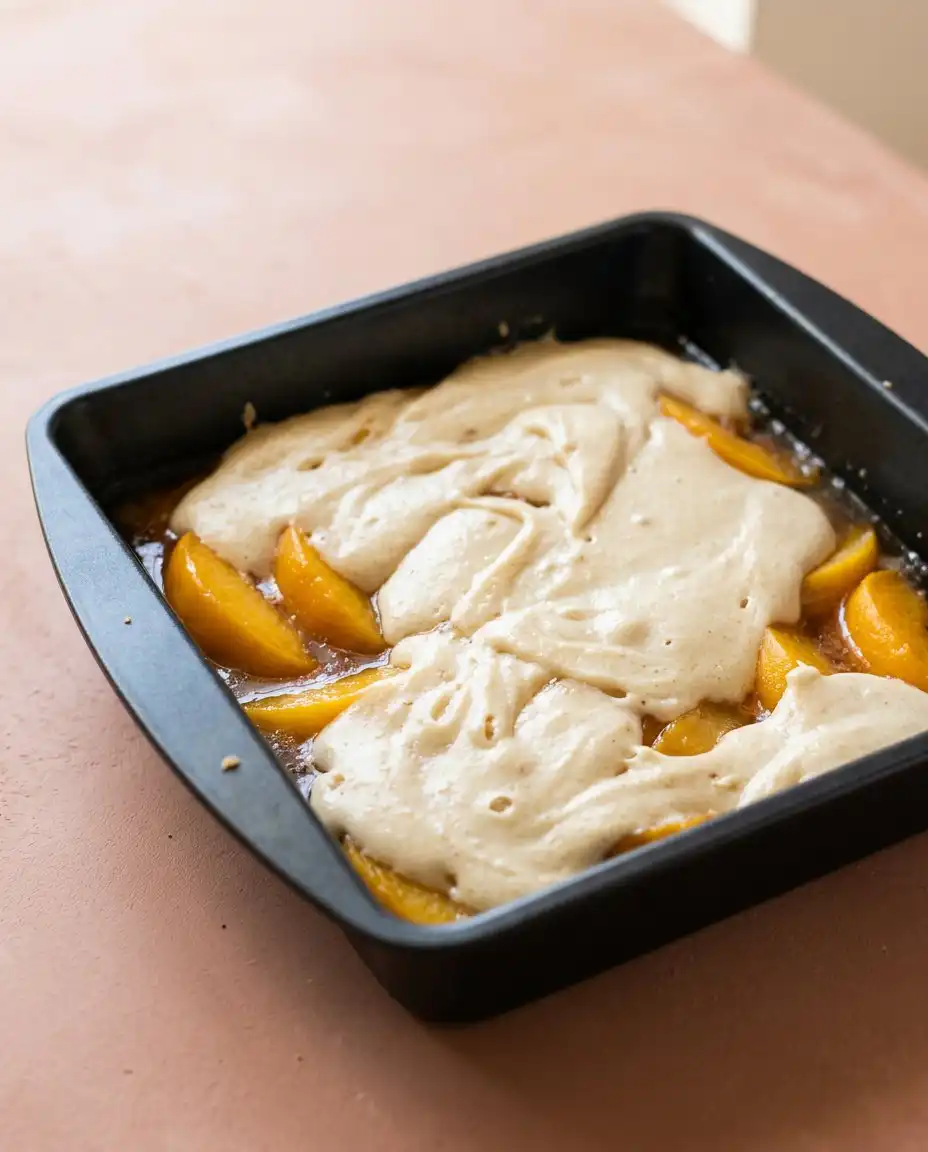
Step 1: Prepare the Foundation
Preheat your oven to 375 degrees F (190 degrees C) while you gather your tin measuring cups and glass bowls. Take your eight-inch square pan and place the initial quarter-cup of butter inside, then set it in the warming oven to melt slowly. You want the butter to be completely liquid but not browned, providing a smooth surface for the sugar to rest upon.
Step 2: Create the Caramel Base
Remove the pan carefully and sprinkle the packed brown sugar and ground nutmeg evenly over the melted butter. Use a small wooden spoon to ensure the sugar is saturated, creating a thick paste that will eventually become the glossy topping. This layer is the heart of the dessert, where the spices and sugar will fuse with the peach juices.
Step 3: Arrange the Fruit
Place your peeled and halved peaches into the pan with the cut-side facing down toward the sugar mixture. Nestle them closely together so they cover as much of the surface area as possible, ensuring every slice of cake has its own piece of fruit. The peaches should look like smooth, golden domes resting in a bed of dark, spiced sugar.
Step 4: Cream the Butter and Sugar
In a large glass bowl, cream the half-cup of softened butter with the white sugar until the mixture is light and fluffy. You should beat the mixture until it loses its yellow tint and takes on the appearance of whipped cream. This step incorporates air into the fat, which is essential for a cake that feels light rather than dense.
Step 5: Incorporate the Egg
Add the large egg to the creamed mixture and beat it thoroughly until the batter is smooth and unified. The egg acts as the binder for your Classic Peach Upside Down Cake, holding the structure together as it rises in the heat. Watch for the batter to become glossy and pale, indicating that the egg is fully emulsified with the butter.
Step 6: Sift and Add Dry Ingredients
Stir your flour, baking powder, and salt together in a separate bowl before adding them to the butter mixture. You should alternate adding the dry ingredients with the milk, beginning and ending with the flour mixture to maintain the emulsion. This rhythmic addition prevents the batter from breaking and ensures a uniform texture throughout the finished sponge.
Step 7: Bake Classic Peach Upside Down Cake to Golden Perfection
Spread the thick batter gently over the arranged peaches, using an offset spatula to reach the corners without disturbing the fruit. Place the pan in the center of the preheated oven and bake for 35 to 40 minutes until the top is a deep golden brown. The kitchen will fill with the scent of toasted sugar and warm fruit, signaling that the caramel is bubbling beneath the surface.
Step 8: The Final Inversion
Remove the cake from the oven and let it stand in the pan for exactly five minutes to allow the juices to settle slightly. Place a serving platter over the pan and, with a firm grip and a steady hand, invert the cake in one fluid motion. Lift the pan slowly to reveal the glistening peaches and the rich caramel that has now become the crown of your bake.
Secrets from the Recipe Box
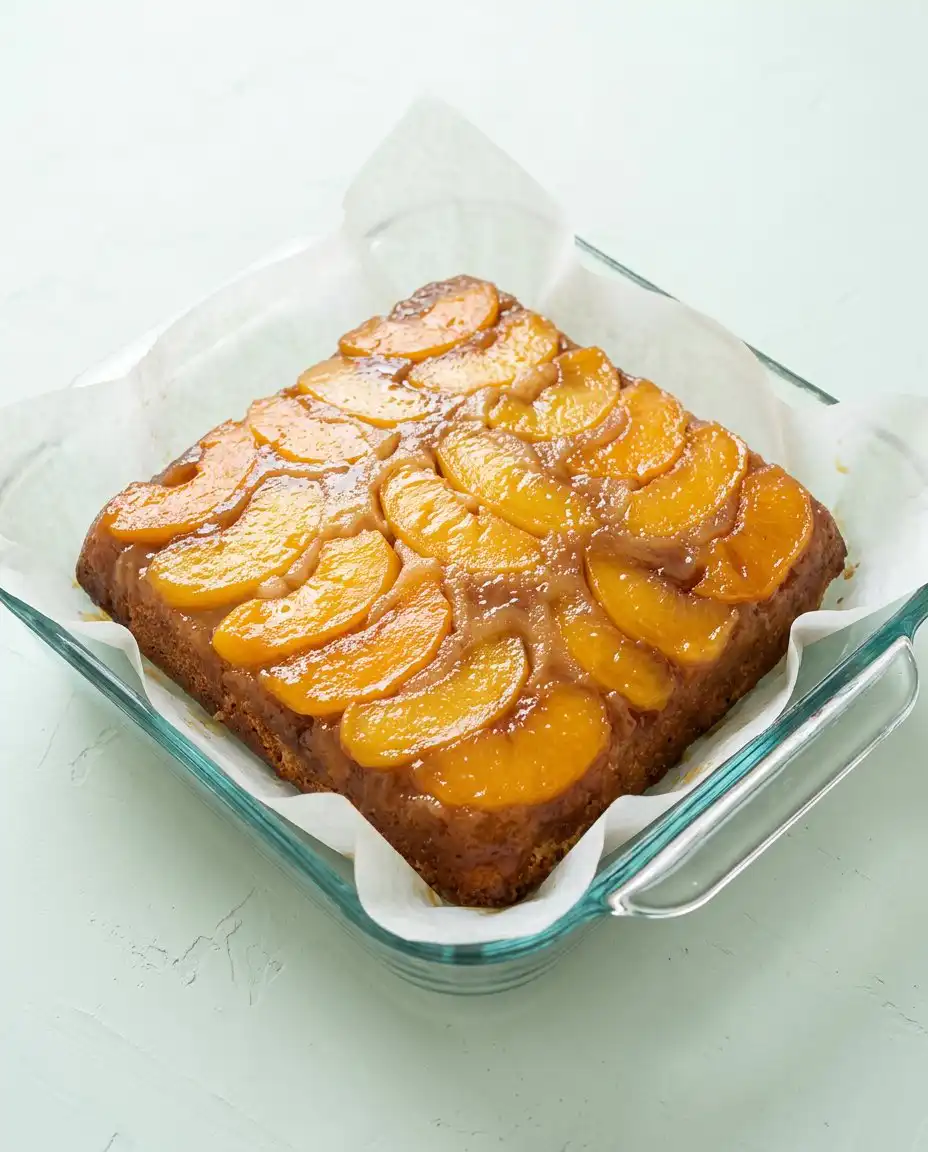
When you are peeling your fruit, you can use a small paring knife or briefly blanch the peaches in boiling water to slip the skins off easily. This method ensures the exterior of the fruit remains smooth and beautiful for the final presentation when you invert the pan.
Always ensure your butter is at true room temperature before you begin the creaming process so it can hold the air bubbles properly. If your butter is too cold, the sugar will not dissolve, and the cake will have a heavy, greasy texture that lacks the traditional lightness of a heritage sponge.
If you find that your fruit is sticking to the bottom of the pan when you try to invert it, you may have waited too long to turn the cake out. The caramel begins to set as it cools, so you must perform the inversion while the sugar is still warm and fluid, typically within five to seven minutes of leaving the oven.
For a deeper flavor profile, you can look into how an ina garten peach cake uses different extracts to enhance the natural sugars of the fruit. I find that a small drop of almond extract often brings out the stone fruit character in a way that feels very traditional.
Check the freshness of your baking powder by dropping a small amount into hot water to see if it bubbles vigorously. If the powder is old, your cake will not rise over the peaches, leading to a thin and dense layer that fails to capture the airy spirit of this classic dessert.
Avoid over-mixing the batter once you have added the flour, as this develops the gluten and can make the cake tough. You should stir only until the white streaks of flour disappear, preserving the delicate crumb that makes this recipe so beloved among home bakers.
If your peaches are exceptionally juicy, you might notice some excess syrup running off the sides of the platter after you invert the cake. You can simply spoon this syrup back over the top of the cake to allow the sponge to soak up every bit of that concentrated summer flavor.
Frequently Asked Questions
Can I use canned peaches for this recipe?
While fresh peaches provide the best texture and a bright flavor, you can use canned peaches in a pinch if they are well-drained. Ensure you pat them dry with a clean cloth before placing them in the sugar mixture to prevent the caramel from becoming too watery. The final result will be softer and sweeter than when using fresh fruit from the orchard.
How should I store the leftover cake?
This cake is best enjoyed on the day it is baked while the caramel is still fresh and the fruit is vibrant. If you have leftovers, store them in an airtight container in the refrigerator for up to two days. You may find that the sponge absorbs more of the syrup over time, making it even more moist and flavorful.
What if my peaches are not fully ripe?
If your fruit is a bit firm, you can still use it, as the heat of the oven and the brown sugar will soften the flesh significantly. You might consider slicing them into thinner wedges rather than halves to ensure they cook through completely. This will also allow the caramel to penetrate deeper into the fruit during the baking process.
Why did my fruit stick to the pan?
Fruit usually sticks if the caramel has cooled and hardened before you inverted the cake. To fix this, you can briefly place the bottom of the pan over a low stove burner for thirty seconds to remelt the sugar. This should loosen the peaches and allow them to release cleanly onto your serving platter.
Can I freeze this peach cake for later?
I do not recommend freezing this specific type of cake because the fruit topping can become mushy and lose its structure upon thawing. The caramel also tends to separate and can make the sponge soggy during the defrosting process. It is a dessert meant to be shared and finished while it is fresh from the oven’s warmth.
Is it necessary to peel the peaches?
Peeling the fruit creates a much more refined and tender topping that melts in the mouth along with the cake. If you leave the skins on, they can become tough or papery during the baking process, which disrupts the delicate texture of the dessert. Taking the extra time to peel the fruit honors the old-fashioned way of preparing a proper tea cake.
Classic Variations
You may choose to swap the peaches for fresh nectarines if the harvest at the local market is particularly fine during the mid-summer months. Nectarines offer a similar texture but with a slightly more tart skin that can add a beautiful color to the caramelized top of your bake.
If you prefer a taller cake with a different structure, you might consider how a peach cobbler pound cake provides a denser base for the fruit. This adjustment often requires a longer baking time and a larger pan, but it remains true to the heritage of stone fruit desserts.
For those who enjoy a bit more spice, adding a pinch of ground cloves or ginger to the brown sugar mixture can create a deeper warmth. You can learn more about softening peaches for baking to ensure that even firmer fruits become tender when using these bolder spices.
Changing the pan size to a circular nine-inch tin will result in a slightly thinner cake that bakes more quickly. If you make this change, reduce your baking time by five minutes and watch for the edges to pull away from the sides of the pan as a sign of doneness.
The Perfect Occasion
I believe this cake is best served while it is still slightly warm, perhaps with a small dollop of lightly sweetened whipped cream on the side. The coolness of the cream provides a beautiful contrast to the warm, buttery peaches and the spiced caramel sauce. You might also consider serving it alongside a scoop of vanilla bean ice cream for a more substantial Sunday dessert.
If you are hosting a larger gathering, you can serve this alongside an old fashioned oven baked peach cobbler to offer your guests a variety of heritage textures. The simplicity of the square slices makes it easy to plate and serve on your grandmother’s fine china. A hot cup of black tea or a glass of cold milk completes the experience, making the moment feel unhurried and special.
Setting the table with a simple linen cloth and a few garden flowers creates an atmosphere of quiet reverence for the meal. This cake does not need elaborate decoration because the fruit provides all the beauty required for a stunning centerpiece. I find that sharing a slice in the late afternoon sun is the most authentic way to enjoy the fruits of your labor.
Baking Memories
Returning to the old ways of baking reminds us that the simplest ingredients often yield the most profound results in the kitchen. This Classic Peach Upside Down Cake is more than just a recipe; it is a connection to the seasons and the generations who baked before us. I hope that as you pull this golden cake from your oven, you feel the same sense of peace and pride that I do.
If you find yourself with an abundance of fruit, you might also enjoy making a traditional peach cake to share with a neighbor or a friend. These small acts of baking are the threads that bind our families together through the years. May your kitchen always be filled with the warmth of a preheated oven and the sweet scent of ripening peaches.
Please share your baking journey with us on Pinterest or join our community on Facebook to see more from our family archives. We love to see how these vintage recipes find a new life in your modern home. Until we meet again over a flour-dusted counter, keep the traditions alive in your own quiet way.