In the quiet mornings of a Parisian spring, the scent of fresh citrus always signaled a shift toward the delicate, bright creations that define refined pastry work in my small kitchen.

This Lemon Chantilly Cake captures that graceful spirit, blending the brightness of fresh lemons with a cloud-like cream cheese frosting for a truly exquisite and light dessert experience.
The Art of This Citrus Masterpiece
There is a specific beauty found in a dessert that balances sharpness with velvet textures. This cake is not merely a sweet treat; it is a study in citrus precision. By using both butter for flavor and olive oil for a moist, tender crumb, we achieve a texture that stays soft even after a stay in the refrigerator.
The technique of rubbing citrus zest into sugar is a classic patisserie secret that transforms a standard sponge into a fragrant treasure. You will find that this method releases essential oils that a simple whisking cannot reach. It is this devotion to small details that results in a professional-quality cake in your own home.
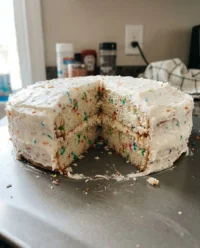
Whether you are celebrating a special milestone or simply mastering the fundamental art of the layer cake, this recipe offers a reliable path to success. It is lighter than a traditional chocolate cake, making it the perfect palate cleanser after a rich meal. The four thin layers provide a sophisticated ratio of cake to frosting that feels intentional and luxurious.
Print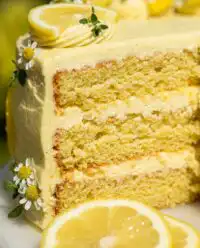
Lemon Chantilly Cake
- Total Time: 2 hours
- Yield: 12 servings
Description
This recipe presents a sophisticated four-layer cake featuring a bright, tender lemon sponge made with a blend of butter and olive oil for superior moisture and flavor. It is finished with a light, cloud-like Chantilly-style cream cheese frosting, achieving a perfect balance of tartness and creamy sweetness, ideal for celebrations.
Ingredients
- 2 1/2 cups cake flour
- 2 tsp baking powder
- 1/2 tsp baking soda
- 1/2 tsp sea salt
- 1 3/4 cups granulated sugar
- Zest and juice of 2 large lemons (for cake)
- 1/2 cup (1 stick) unsalted butter, softened (for cake)
- 1/2 cup neutral olive oil
- 4 large eggs, room temperature
- 1 tsp vanilla extract (for cake)
- 3/4 cup whole milk
- 1/2 cup (1 stick) unsalted butter, softened (for frosting)
- 8 oz cream cheese, softened
- 4 cups powdered sugar, sifted
- 1/2 cup heavy whipping cream
- 1 tsp vanilla extract (for frosting)
- Pinch of salt (for frosting)
- 1 Tbsp fresh lemon juice (for frosting)
- 1 tsp lemon zest (for frosting)
Instructions
- Begin by preheating your oven to 350F (175C). Prepare two 9-inch cake pans with butter and parchment paper. In your stand mixer bowl, combine the lemon zest and sugar. Using your fingertips, rub the zest into the sugar for a full minute until the mixture looks like damp sand and smells incredibly fragrant.
- Add the softened butter to the citrus sugar. Using the paddle attachment, start on a low speed to incorporate, then increase to high for two minutes. We are looking for a pale, aerated texture that serves as the base for our structure.
- Switch to the whisk attachment. Add the eggs one at a time, beating for two minutes on high. This stage is vital; you are looking for the ‘ribbon stage,’ where the mixture is thick, pale, and falls back into the bowl in slow, trailing ribbons.
- With the mixer running, slowly pour in the lemon juice, olive oil, and vanilla extract. Whisk vigorously for another two minutes. The mixture should double in volume and appear almost like a light custard. Gently pour in the milk and mix until just combined.
- In a separate bowl, whisk together the cake flour, baking powder, baking soda, and sea salt. Sift this over your wet ingredients. Mix on the lowest speed just until the streaks of flour disappear. Over-mixing at this stage will develop gluten and make the cake tough.
- Divide the batter evenly between your prepared pans. Bake for 25 to 30 minutes. Test with a wooden skewer; it should come out clean with perhaps one or two moist crumbs. Let the cakes rest in their pans for ten minutes before transferring them to a wire rack to cool completely.
- Once the cakes are entirely cold, use a long serrated knife to level the tops if necessary. Carefully slice each cake horizontally to create four thin, elegant layers. This increases the surface area for our citrus frosting.
- In a clean bowl, beat the softened butter and cream cheese on high for three minutes until completely smooth. Gradually add the powdered sugar on low speed. Once incorporated, add the vanilla, salt, cream, lemon juice, and zest. Beat on high for five minutes until the frosting is light, fluffy, and holds a soft peak.
- Place the first layer on your cake stand. Spread approximately 3/4 cup of frosting evenly to the edges. Repeat with the remaining layers. Apply a very thin ‘crumb coat’ to the exterior and chill for 20 minutes. This anchors any loose crumbs before you apply the final, decorative layer of frosting.
Notes
To ensure maximum tenderness, measure your dry ingredients using the spoon-and-level method, scooping the flour into the measuring cup and leveling off the excess. If you cannot source cake flour, you can create a suitable substitute using all-purpose flour and cornstarch. Always ensure all your temperature-sensitive ingredients, including milk and eggs, are at room temperature to guarantee a smooth, stable emulsion that yields a light, consistent crumb.
- Prep Time: 30 mins
- Cook Time: 30 mins
- Category: Dessert
- Method: Baking
- Cuisine: French
The Foundation of Quality Ingredients
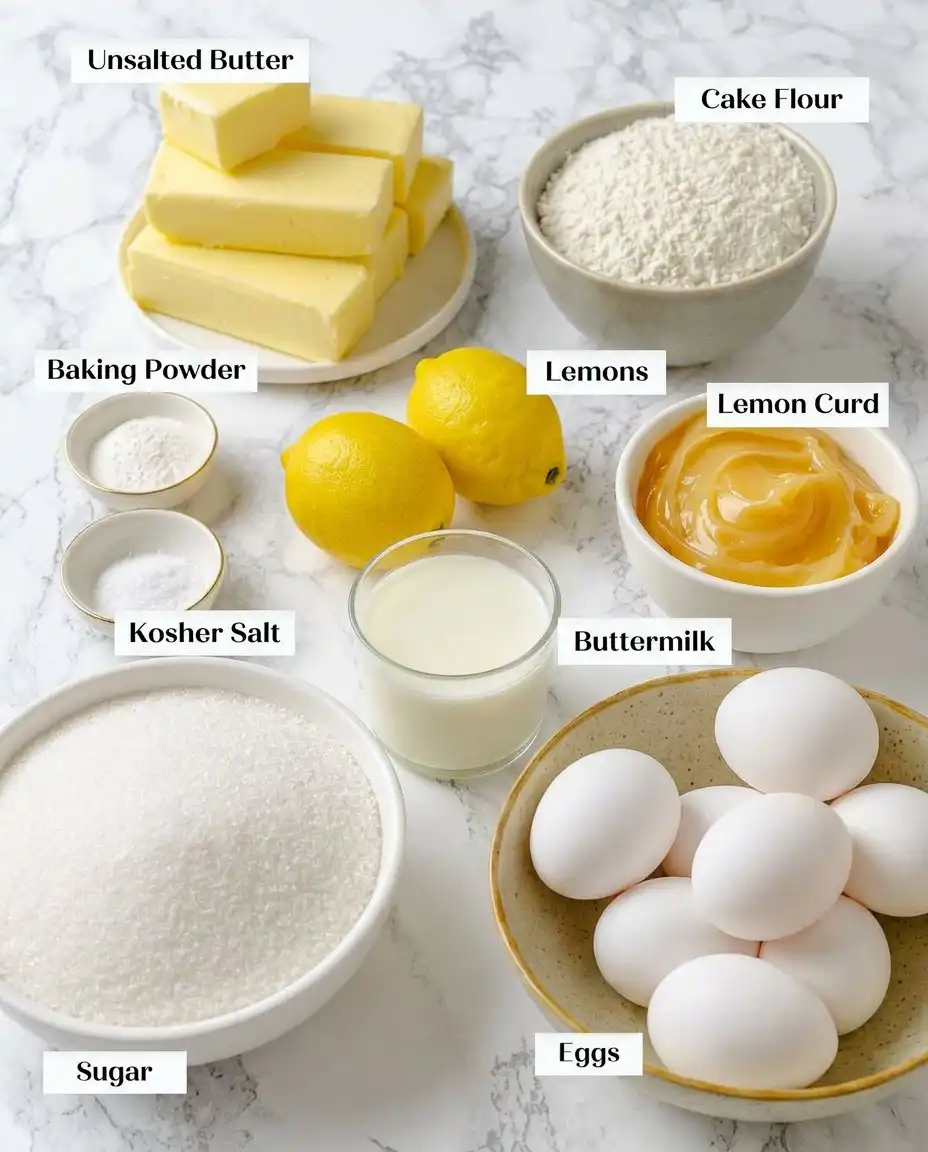
Success in the pastry arts begins with the selection of your materials. For a cake this delicate, each component must be of the highest standard to achieve a pristine result.
- Cake Flour: This low-protein flour is essential for a tender, fine-grained crumb. If you must use all-purpose, please sift it multiple times to lighten its density.
- Fresh Citrus: We use both the zest and the juice from approximately two large lemons. Freshness is paramount; bottled juice lacks the vibrant acidity and floral notes of a newly sliced fruit.
- Granulated Cane Sugar: This serves as our abrasive agent to pull the oils from the lemon zest, creating a base of intense fragrance.
- The Fat Blend: We combine unsalted butter for its classic dairy notes and olive oil for its ability to keep the cake moist. A neutral olive oil is best if you prefer a subtle profile.
- Room Temperature Eggs: Cold eggs can break your emulsion. Ensuring they are at room temperature allows them to whip into a stable, voluminous foam.
- Cream Cheese and Butter: For the frosting, these must be softened perfectly. A cold block of cream cheese will create lumps that disturb the silky finish of your Chantilly-style buttercream.
Step-by-Step Technique
Step 1: Infusing the Sugar
Begin by preheating your oven to 350F (175C). Prepare two 9-inch cake pans with butter and parchment paper. In your stand mixer bowl, combine the lemon zest and sugar. Using your fingertips, rub the zest into the sugar for a full minute until the mixture looks like damp sand and smells incredibly fragrant.
Step 2: The Creaming Phase
Add the softened butter to the citrus sugar. Using the paddle attachment, start on a low speed to incorporate, then increase to high for two minutes. We are looking for a pale, aerated texture that serves as the base for our structure.
Step 3: Achieving Volume with Eggs
Switch to the whisk attachment. Add the eggs one at a time, beating for two minutes on high. This stage is vital; you are looking for the ‘ribbon stage,’ where the mixture is thick, pale, and falls back into the bowl in slow, trailing ribbons.
Step 4: Emulsifying the Liquids
With the mixer running, slowly pour in the lemon juice, olive oil, and vanilla extract. Whisk vigorously for another two minutes. The mixture should double in volume and appear almost like a light custard. Gently pour in the milk and mix until just combined.
Step 5: Folding the Dry Ingredients
In a separate bowl, whisk together the cake flour, baking powder, baking soda, and sea salt. Sift this over your wet ingredients. Mix on the lowest speed just until the streaks of flour disappear. Over-mixing at this stage will develop gluten and make the cake tough.
Step 6: The Gentle Bake
Divide the batter evenly between your prepared pans. Bake for 25 to 30 minutes. Test with a wooden skewer; it should come out clean with perhaps one or two moist crumbs. Let the cakes rest in their pans for ten minutes before transferring them to a wire rack to cool completely.
Step 7: Precision Slicing
Once the cakes are entirely cold, use a long serrated knife to level the tops if necessary. Carefully slice each cake horizontally to create four thin, elegant layers. This increases the surface area for our citrus frosting.
Step 8: Preparing the Chantilly Frosting
In a clean bowl, beat the softened butter and cream cheese on high for three minutes until completely smooth. Gradually add the powdered sugar on low speed. Once incorporated, add the vanilla, salt, cream, lemon juice, and zest. Beat on high for five minutes until the frosting is light, fluffy, and holds a soft peak.
Step 9: The Final Assembly
Place the first layer on your cake stand. Spread approximately 3/4 cup of frosting evenly to the edges. Repeat with the remaining layers. Apply a very thin ‘crumb coat’ to the exterior and chill for 20 minutes. This anchors any loose crumbs before you apply the final, decorative layer of frosting.
Pastry Wisdom for Perfection
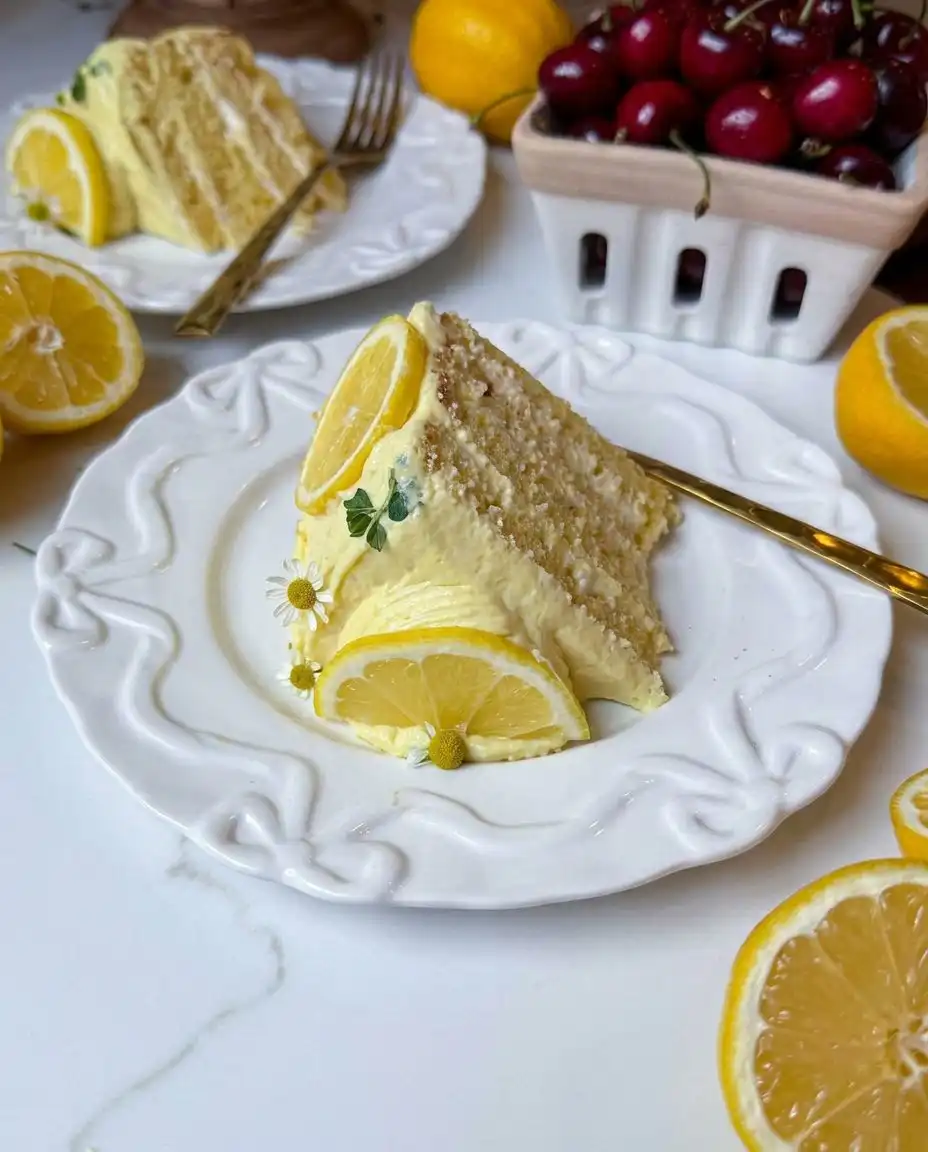
To achieve a professional result, precision with temperatures is your greatest ally. Ensure your butter is soft enough that a finger leaves an indentation without resistance, but not so soft that it appears greasy. If your kitchen is too warm, your frosting may lose its structure; a brief stay in the refrigerator for both the bowl and the beaters can help maintain that glossy finish.
When slicing your layers, use a rotating cake turntable if available. Keep your knife level and let the blade do the work without pressing down. For those who want to deepen their understanding of citrus sponges, mastering our lemon cake technique will provide a strong foundation for any fruit-based dessert. Also, for another look at assembly, you can see similar methods at A Bright Moment.
Refined Twists on a Classic
While this Lemon Chantilly Cake is stunning in its original form, you may wish to introduce subtle variations. For a floral note, add a teaspoon of dried culinary lavender to the sugar while rubbing in the zest. This creates a sophisticated pairing often found in high-end French patisseries.
If you prefer a denser, more traditional texture, you might examine our lemon pound cake which offers a different crumb structure while retaining that bright acidity. You could also replace the lemon zest in the frosting with lime or orange for a different citrus profile, or add a thin layer of raspberry preserve between the tiers for a burst of color and tartness.
The Final Touch of Presentation
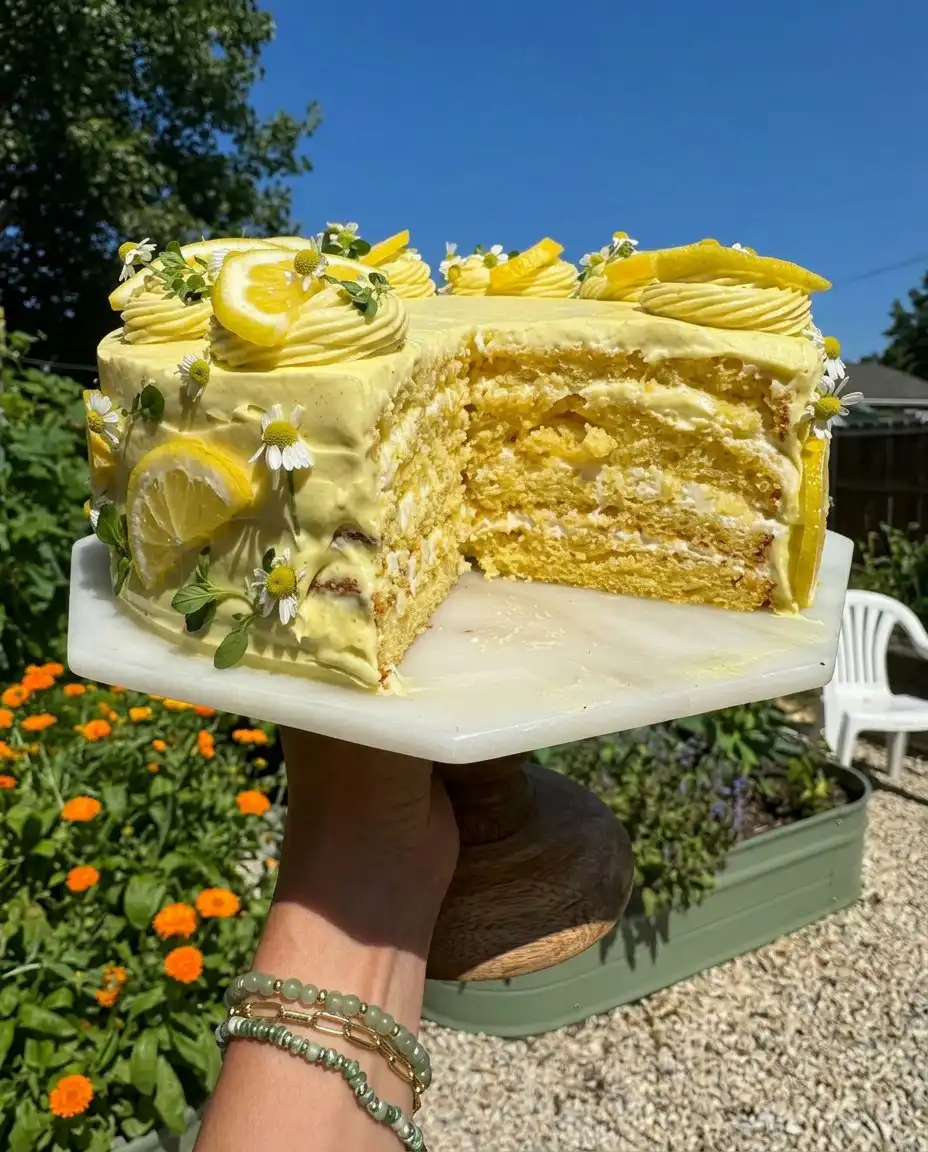
Presentation is the final step in the art of pastry. Serve this cake on a chilled glass pedestal to emphasize its height and elegance. Garnish the top with paper-thin slices of lemon or a few fresh mint leaves for a touch of natural color.
This cake pairs beautifully with a glass of dry sparkling wine or a light Earl Grey tea. If you enjoy the combination of citrus and creamy textures, you should also try serving it alongside our limoncello mascarpone cake for a grand dessert table that celebrates the best of European lemon traditions.
The Art of Small Batches
Mastering a Lemon Chantilly Cake is a rewarding journey that proves how simple, high-quality ingredients can be transformed through careful technique. By taking the time to rub the zest and whisk the eggs to perfection, you create a dessert that is far superior to any store-bought alternative.
If you found this recipe helpful, continue your education by trying our lemon velvet cake for another variation on this classic theme. Please share your beautiful creations with our community and follow us for more pastry wisdom.
Find more inspiration here: