Description
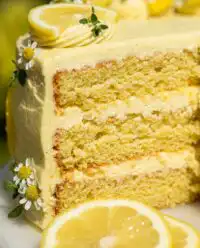
This recipe presents a sophisticated four-layer cake featuring a bright, tender lemon sponge made with a blend of butter and olive oil for superior moisture and flavor. It is finished with a light, cloud-like Chantilly-style cream cheese frosting, achieving a perfect balance of tartness and creamy sweetness, ideal for celebrations.
Ingredients
- 2 1/2 cups cake flour
- 2 tsp baking powder
- 1/2 tsp baking soda
- 1/2 tsp sea salt
- 1 3/4 cups granulated sugar
- Zest and juice of 2 large lemons (for cake)
- 1/2 cup (1 stick) unsalted butter, softened (for cake)
- 1/2 cup neutral olive oil
- 4 large eggs, room temperature
- 1 tsp vanilla extract (for cake)
- 3/4 cup whole milk
- 1/2 cup (1 stick) unsalted butter, softened (for frosting)
- 8 oz cream cheese, softened
- 4 cups powdered sugar, sifted
- 1/2 cup heavy whipping cream
- 1 tsp vanilla extract (for frosting)
- Pinch of salt (for frosting)
- 1 Tbsp fresh lemon juice (for frosting)
- 1 tsp lemon zest (for frosting)
Instructions
- Begin by preheating your oven to 350F (175C). Prepare two 9-inch cake pans with butter and parchment paper. In your stand mixer bowl, combine the lemon zest and sugar. Using your fingertips, rub the zest into the sugar for a full minute until the mixture looks like damp sand and smells incredibly fragrant.
- Add the softened butter to the citrus sugar. Using the paddle attachment, start on a low speed to incorporate, then increase to high for two minutes. We are looking for a pale, aerated texture that serves as the base for our structure.
- Switch to the whisk attachment. Add the eggs one at a time, beating for two minutes on high. This stage is vital; you are looking for the ‘ribbon stage,’ where the mixture is thick, pale, and falls back into the bowl in slow, trailing ribbons.
- With the mixer running, slowly pour in the lemon juice, olive oil, and vanilla extract. Whisk vigorously for another two minutes. The mixture should double in volume and appear almost like a light custard. Gently pour in the milk and mix until just combined.
- In a separate bowl, whisk together the cake flour, baking powder, baking soda, and sea salt. Sift this over your wet ingredients. Mix on the lowest speed just until the streaks of flour disappear. Over-mixing at this stage will develop gluten and make the cake tough.
- Divide the batter evenly between your prepared pans. Bake for 25 to 30 minutes. Test with a wooden skewer; it should come out clean with perhaps one or two moist crumbs. Let the cakes rest in their pans for ten minutes before transferring them to a wire rack to cool completely.
- Once the cakes are entirely cold, use a long serrated knife to level the tops if necessary. Carefully slice each cake horizontally to create four thin, elegant layers. This increases the surface area for our citrus frosting.
- In a clean bowl, beat the softened butter and cream cheese on high for three minutes until completely smooth. Gradually add the powdered sugar on low speed. Once incorporated, add the vanilla, salt, cream, lemon juice, and zest. Beat on high for five minutes until the frosting is light, fluffy, and holds a soft peak.
- Place the first layer on your cake stand. Spread approximately 3/4 cup of frosting evenly to the edges. Repeat with the remaining layers. Apply a very thin ‘crumb coat’ to the exterior and chill for 20 minutes. This anchors any loose crumbs before you apply the final, decorative layer of frosting.
Notes
To ensure maximum tenderness, measure your dry ingredients using the spoon-and-level method, scooping the flour into the measuring cup and leveling off the excess. If you cannot source cake flour, you can create a suitable substitute using all-purpose flour and cornstarch. Always ensure all your temperature-sensitive ingredients, including milk and eggs, are at room temperature to guarantee a smooth, stable emulsion that yields a light, consistent crumb.
- Prep Time: 30 mins
- Cook Time: 30 mins
- Category: Dessert
- Method: Baking
- Cuisine: French