An amateur zucchini loaf often suffers from a heavy, sodden texture, but a refined Lemon Zucchini Cake balances garden hydration with the structural precision of a professional bake.
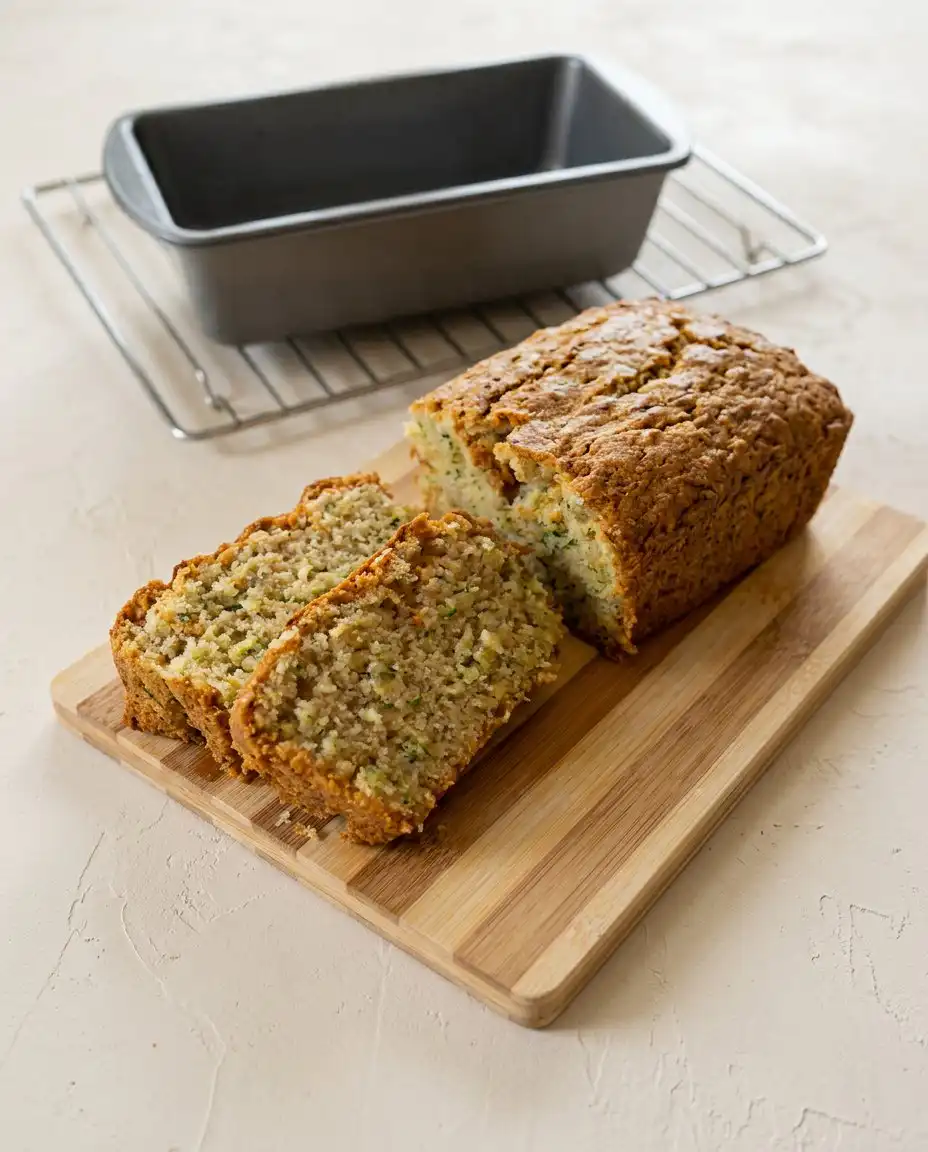
Achieving this balance requires an understanding of how moisture behaves within a batter. You will notice that the zucchini provides a unique internal climate, keeping the crumb soft while the lemon oils provide a high-frequency aromatic note. It is an exercise in restraint and technique. The result is a cake that is as structurally sound as it is light and refreshing.
What Careful Baking Produces in This Lemon Zucchini Cake
Prep: 10 min · Serves: 10 · Difficulty: Medium
- Precise moisture control ensures light crumb
- Intense citrus notes from fresh zest
- Tender texture achieved through oil emulsion
- Professional results from standard garden ingredients
- Consistent browning from measured oven exposure
This technique transforms a humble harvest into a refined dessert for the discerning palate as seen in this lemon cake variation.
Get The Full Cake Recipe
Print
Lemon Zucchini Cake
- Total Time: 1 hour 10 mins
- Yield: 10 servings
- Diet: Vegetarian
Description
This refined Lemon Zucchini Cake achieves the perfect balance between garden-fresh moisture and a delicate, light-textured crumb. Infused with bright citrus oils and emulsified for optimal structure, it serves as a sophisticated dessert for any occasion.
Ingredients
- Cake flour
- Baking powder
- Kosher salt
- Granulated sugar
- Extra virgin olive oil
- Eggs
- Vanilla almondmilk
- Lemon juice
- Lemon zest
- Vanilla or almond extract
- Shredded zucchini
- Powdered sugar
Instructions
- Prepare the oven. Preheat the oven to 177°C (350°F) and line a loaf pan with baking spray and a parchment paper sling for easy removal.
- Sift dry ingredients. Combine cake flour, baking powder, and kosher salt in a medium bowl, passing them through a fine-mesh sieve to remove any lumps.
- Emulsify oil mixture. Whisk granulated sugar and extra virgin olive oil in a large bowl for two minutes until slightly thickened and pale.
- Incorporate liquid base. Add room-temperature eggs and almondmilk to the oil mixture, whisking until the batter is smooth and well-integrated.
- Bloom aromatic extracts. Stir in the fresh lemon juice and your choice of extract to begin the chemical reaction and fragrance development.
- Fold in flour. Add the dry mixture to the wet components, stirring just until no streaks of flour remain to ensure a tender crumb.
- Add shredded zucchini. Fold in the well-drained zucchini and lemon zest using a broad, sweeping motion to maintain the batter’s aeration.
- Bake the cake. Pour batter into the prepared pan and bake for 45 minutes or until a toothpick inserted in the center emerges with only a few moist crumbs.
- Cool and glaze. Rest the cake in the pan for fifteen minutes, transfer to a wire rack to cool completely, then drizzle with a glaze made of powdered sugar and lemon juice.
Notes
- Ensure the zucchini is squeezed completely dry in a towel to prevent a heavy or gummy bottom layer.
- Using room-temperature ingredients is crucial for a stable emulsion and a consistent cake texture.
- Use a microplane to zest the lemon to ensure you only collect the fragrant flavedo without the bitter white pith.
- Avoid overmixing the batter after adding flour to prevent gluten development and ensure the cake remains light.
- Prep Time: 20 mins
- Cook Time: 50 mins
- Category: Dessert
- Method: Baking
- Cuisine: Modern Continental
Ingredients, Chosen with Purpose
Selection of high-quality components is the first step in the patisserie’s discipline. Each ingredient here serves a specific structural or aromatic function that contributes to the final harmony of the cake.
- Cake Flour: Its lower protein content, typically between 7% and 9%, ensures a delicate and fine-grained crumb that resists toughness even after folding.
- Extra Virgin Olive Oil: Choosing a high-quality oil provides a clean mouthfeel and liquid fat that maintains the cake’s hydration even after cooling.
- Fresh Zucchini: This vegetable acts as a natural reservoir of moisture, releasing its liquid slowly during the baking process to prevent drying.
- Lemon Zest: The flavedo of the lemon contains essential oils that offer a deeper citrus profile than the juice alone could provide.
- Vanilla Almondmilk: The subtle nuttiness and light protein content contribute to a tender structure without the heaviness of full cream.
- Kosher Salt: A specific grain size allows for even distribution, heightening the brightness of the lemon by balancing the sweetness of the sugar.
| Ingredient | Why It Matters |
|---|---|
| Zucchini | Provides cellular hydration and structural integrity. |
| Cake Flour | Low protein content allows for a soft crumb. |
| Extra Virgin Olive Oil | Offers fat without the weight of solid butter. |
| Lemon Zest | Contains essential oils for aromatic depth. |
| Baking Powder | Provides the chemical lift necessary for a light loaf. |
The Technique Laid Out
Step 1: Establish Your Mise en Place
Begin by weighing every ingredient with a digital scale to verify accuracy. You must preheat your oven to 177°C (350°F) and prepare your loaf pan with both baking spray and a parchment sling. This sling is not a luxury; it provides the leverage needed to remove the delicate cake without compromising its structure once it has set. Position your rack in the center of the oven to promote even heat circulation around the pan.
Step 2: Sift and Whisk the Dry Components
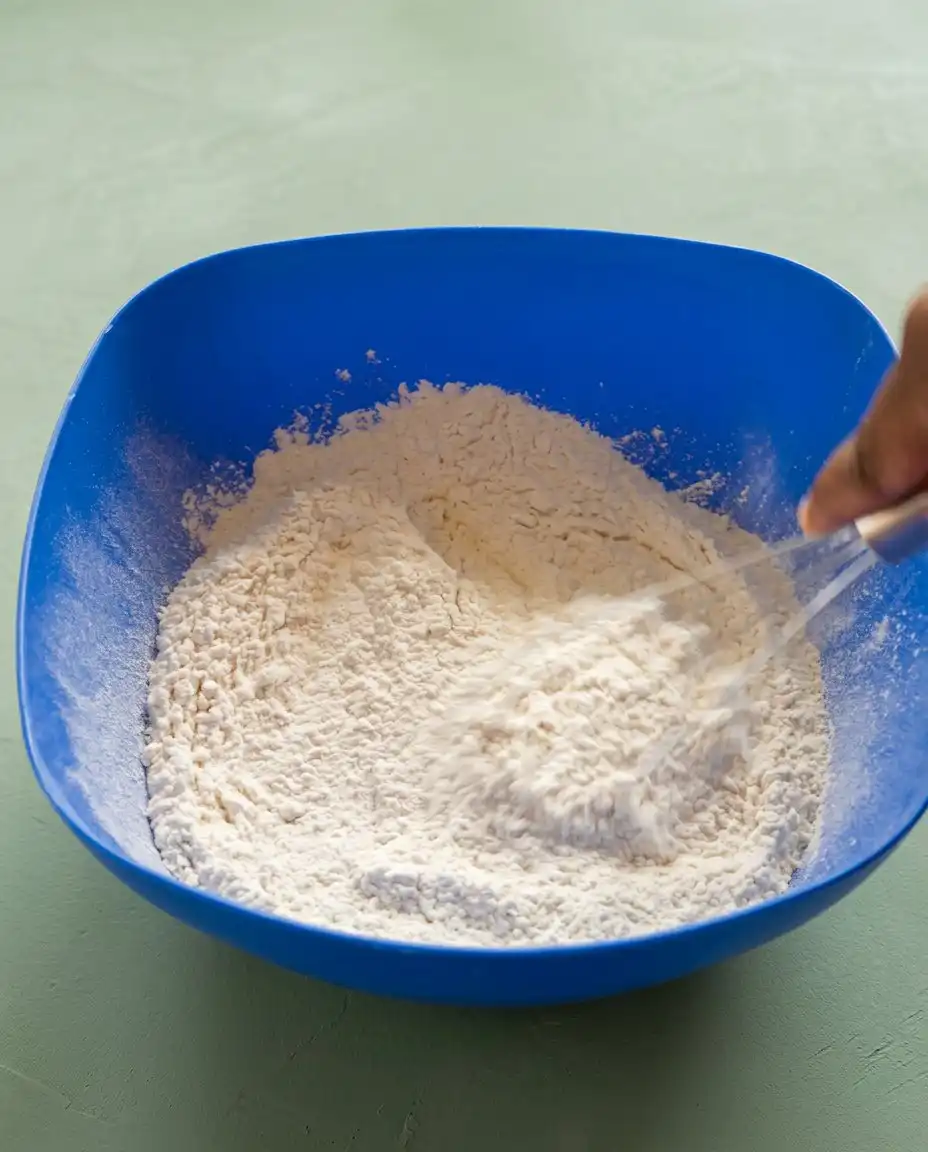
In a medium bowl, combine your cake flour, baking powder, and kosher salt. Pass these through a fine-mesh sieve to remove any clumps and aerate the flour particles. You will notice that whisking these together creates a uniform distribution of the leavening agent, which prevents uneven rising or large air pockets in the finished crumb. Set this dry mixture aside in a cool area of your workspace.
Step 3: Emulsify the Sugar and Oil
Place the granulated sugar and extra virgin olive oil in a large bowl. Whisk these vigorously for two minutes until the sugar begins to dissolve slightly into the oil. This step is fundamental for creating the base of your emulsion, as the sugar crystals help to create minute air gaps that the oil will later stabilize. The mixture should appear slightly pale and thickened before you proceed.
Step 4: Incorporate the Tempering Liquids
Add the room temperature eggs and almondmilk to the oil mixture. Whisk until the eggs are fully incorporated and the batter begins to show signs of a pale ribbon when lifted. If your eggs are cold, they may cause the oil to seize slightly, so verify they have reached the correct temperature before beginning. This ensures the proteins in the egg can bond correctly with the liquid fats.
Step 5: Extract the Citrus Essence
Stir in the fresh lemon juice and your choice of vanilla or almond extract. This is the moment where the acidity of the juice begins to react with the liquids, preparing the batter for the chemical leavening that will occur in the oven. You should detect a sharp, clean fragrance as the alcohol in the extracts begins to bloom within the base batter. Be intentional with your stirring to avoid splashing.
Step 6: Incorporating the Lemon Zucchini Cake Base
Add the sifted flour mixture to the wet ingredients. Use a large whisk or a flexible spatula to combine them just until no streaks of dry flour remain visible. You must resist the urge to overmix at this stage, as excessive agitation will develop gluten and result in a rubbery texture. The batter should look smooth but still hold some viscosity.
Step 7: The Gentle Zucchini Fold
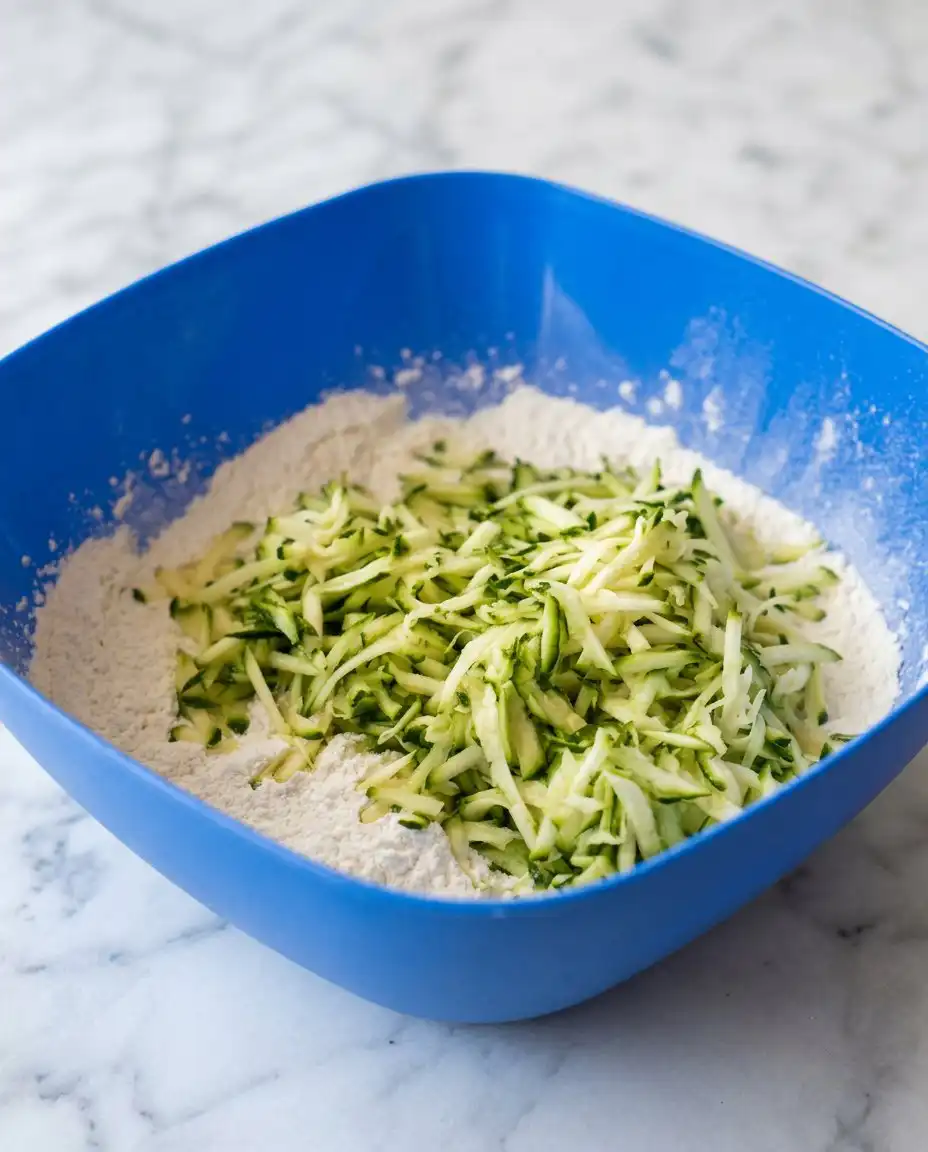
Gently fold in the shredded zucchini and the lemon zest using a broad, sweeping motion. Ensure the zucchini has been squeezed until it feels notably dry to the touch before it enters the batter. This prevents excess water from pooling at the bottom of the cake during the bake. Your goal is to distribute the green flecks and citrus peel evenly without deflating the air you have worked to incorporate.
Step 8: The Precision Bake
Pour the batter into your prepared pan and smooth the top with an offset spatula. Place it in the oven and monitor it closely after the 45-minute mark. You are looking for a dry top and a toothpick that emerges with a few moist crumbs attached. The internal temperature should reach approximately 93°C (200°F) for an ideal set that is neither dry nor underbaked.
Step 9: Controlled Cooling and Glazing
Remove the loaf from the oven and let it rest in the pan for exactly fifteen minutes on a wire rack. Use the parchment paper to lift the cake out gently and let it finish cooling completely before applying the glaze. While the cake cools, whisk your powdered sugar and lemon juice until the consistency is that of heavy cream. Drizzle it over the cold cake in a single, steady stream for a professional finish.
Technical Notes
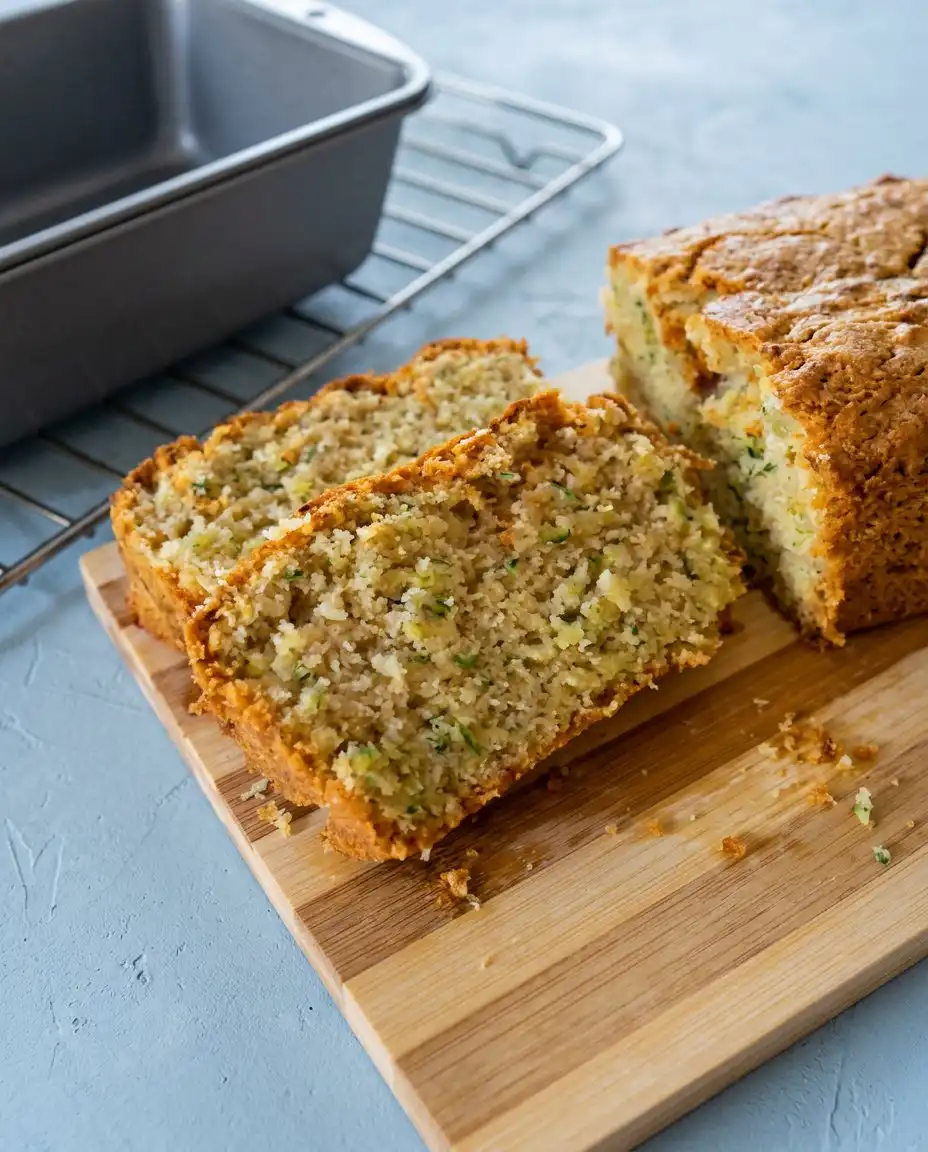
Precision in the preparation of your zucchini is the difference between success and failure. You should grate the vegetable finely and then wrap it in a clean tea towel to wring out every drop of excess moisture. If the zucchini is too wet, it will create a dense, gummy layer at the base of your cake that cannot be corrected by longer baking times.
Temperature is not a suggestion but a requirement for the emulsification of fats and liquids. Ensure your eggs and almondmilk are at room temperature to allow the batter to reach a smooth, stable state. Cold ingredients will cause the oil to separate, leading to an uneven crumb and a greasy exterior that lacks the refined finish of a professional bake.
When measuring your zest, only remove the yellow flavedo and avoid the white pith at all costs. The pith is intensely bitter and will dominate the delicate citrus oils if included in the batter. A microplane is the ideal tool for this task, as it produces fine ribbons that melt into the cake during the baking process.
You may find more detail on this lemon drizzle cake technique which shares several structural similarities with this loaf. Understanding the behavior of sugar and acid in a loaf cake will allow you to adapt your timing to different oven environments. Observation of the crust’s color is your best indicator of the Maillard reaction.
If your cake has a gummy layer at the bottom, it is often due to excess zucchini moisture. Confirm you have followed the original lemon zucchini cake technique for draining the vegetables thoroughly. A properly drained zucchini will feel like damp sawdust, not a wet sponge, before it is added to the batter.
Frequently Asked Questions
How should I store the Lemon Zucchini Cake for the best texture?
Keep the cake in an airtight container at room temperature for up to two days. For longer storage, you should refrigerate it, but be aware that the cold environment can cause the oil-based crumb to firm up slightly. Always bring the cake back to room temperature before serving to allow the fats to soften and the flavors to bloom properly.
Can I use all-purpose flour instead of cake flour?
You may substitute all-purpose flour, but you will need to adjust the protein content to maintain the delicate crumb. To do this, remove two tablespoons of the all-purpose flour and replace them with two tablespoons of cornstarch before sifting. This mimics the low-protein environment of cake flour and prevents the cake from becoming overly dense or tough.
Why is my glaze soaking into the cake instead of sitting on top?
This occurs when the glaze is applied while the cake is still warm from the oven. The heat causes the sugar to melt and the porous crumb to absorb the liquid like a sponge. For a clean, opaque finish that sits prominently on the surface, you must wait until the cake is completely cold to the touch before drizzling.
Is it possible to freeze this zucchini cake for later use?
The cake freezes exceptionally well if it is wrapped tightly in plastic wrap and then a layer of aluminum foil. You should freeze the loaf without the glaze to prevent it from becoming sticky or weeping during the thawing process. When you are ready to serve, thaw it overnight in the refrigerator and apply fresh glaze once it reaches room temperature.
What should I do if my cake is browning too quickly on top?
If the surface of the cake is reaching a deep golden brown before the center is set, you should tent the pan loosely with aluminum foil. This deflects the direct heat of the oven while allowing the internal temperature to continue rising. This often happens in ovens with strong top heating elements or when the rack is positioned too high.
Can I use frozen zucchini for this recipe?
Frozen zucchini can be used, but it requires even more attention to moisture control than fresh. Once thawed, the cell walls will have broken down, releasing a significant amount of water that must be drained away. You will find that the texture may be slightly softer, so ensure you squeeze the thawed vegetable until it is as dry as possible.
Thoughtful Alternatives
While the lemon and zucchini pairing is classic, you may choose to introduce floral notes for a more complex profile. Replacing the vanilla extract with a small amount of culinary lavender oil provides a sophisticated depth that complements the citrus. You will find that this adaptation works best when the lavender is used sparingly to avoid an overbearing fragrance.
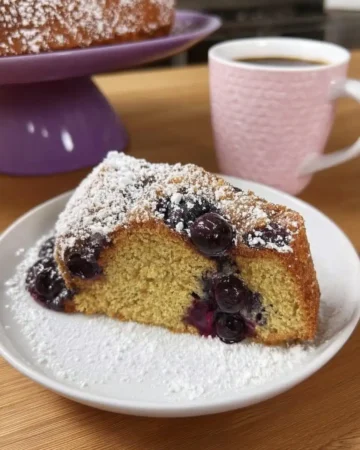
You might also consider a lemon blueberry cake adaptation by adding fresh berries to the fold. Ensure the blueberries are tossed in a tablespoon of flour before being added to prevent them from sinking to the bottom of the pan. This variation adds a pleasant burst of color and a different dimension of acidity to the loaf.
For a more substantial texture, you can substitute half of the cake flour with finely ground almond flour. This will result in a more tender, fragile crumb and a slightly nuttier flavor profile. If you choose this route, you must handle the cake with extreme care when removing it from the pan, as the lower gluten content makes it more prone to breaking while warm.
Presentation and Service
When presenting this cake, use a sharp, thin-bladed knife to produce clean cross-sections that showcase the green flecks of the zucchini. You will notice that a serrated knife can sometimes tear the delicate crumb, so a straight edge is preferred for a professional look. For a formal afternoon tea, place the slices on a chilled ceramic platter to maintain the integrity of the lemon glaze.
This loaf pairs beautifully with a dollop of unsweetened crème fraîche or a light mascarpone cream. The slight tang of the cream provides a sophisticated counterpoint to the sweet glaze and enhances the citrus notes. If you are serving this as part of a larger spread, it provides a refreshing contrast to a denser lemon pound cake or other butter-heavy pastries.
For an elegant garnish, consider adding a few curls of fresh lemon peel or a dusting of dehydrated lemon powder over the glaze. This reinforces the visual cue of the flavor profile while adding a refined aesthetic touch. Serve alongside a high-quality Earl Grey tea, as the bergamot oils in the tea will harmonize perfectly with the fresh lemon in the cake.
The Result of Your Care
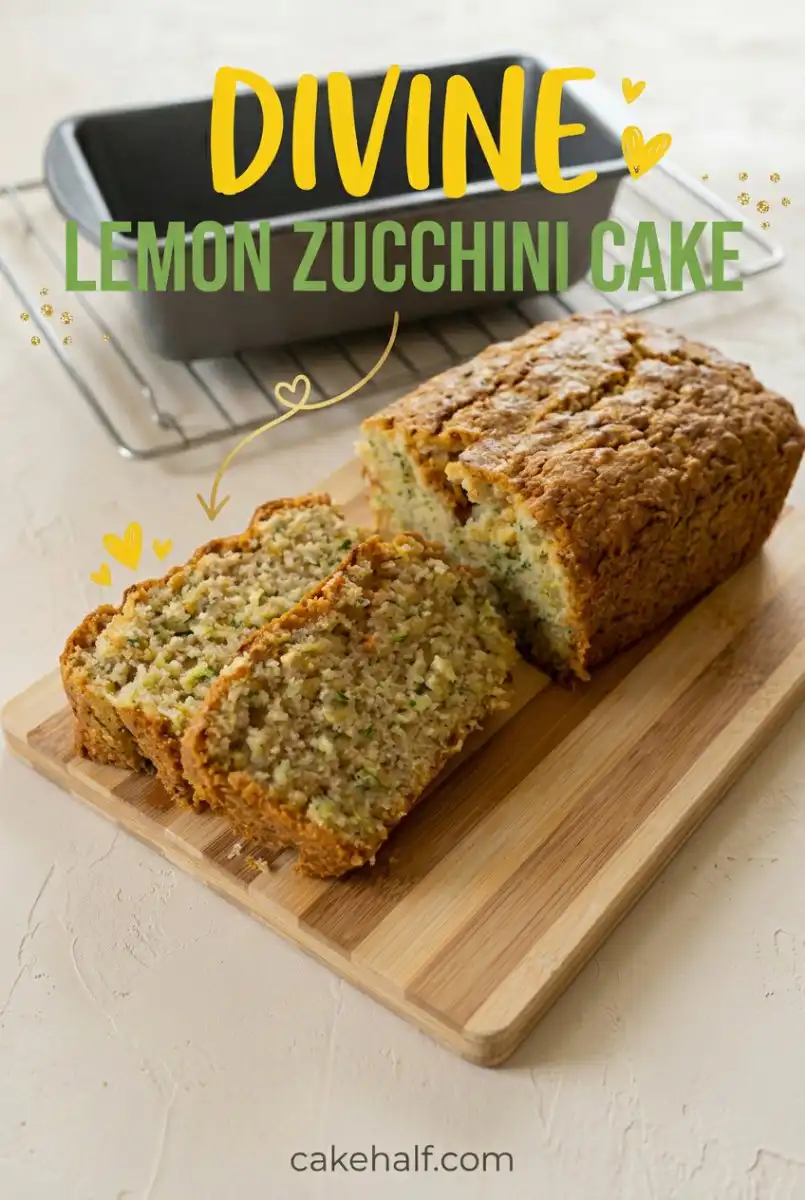
Baking this Lemon Zucchini Cake is an exercise in technical discipline that rewards the patient baker with a result far superior to standard garden loaves. By mastering the art of the emulsion and the precision of moisture control, you have created a dessert that honors its humble ingredients through elevated technique. Small things, done exactly right, lead to a cake that is both a skill and a celebration.
As you slice into the finished product, you will see the evidence of your care in the even distribution of the zest and the clean, dry crumb. This lemon poke cake and other citrus recipes also benefit from this same level of attention to detail. I invite you to share your results and continue your journey into the foundational disciplines of French-inspired pastry.