Traditionalists claim almond paste belongs strictly on top of a cake, but grating it directly into the wet batter completely transforms the structural moisture of the crumb from within.

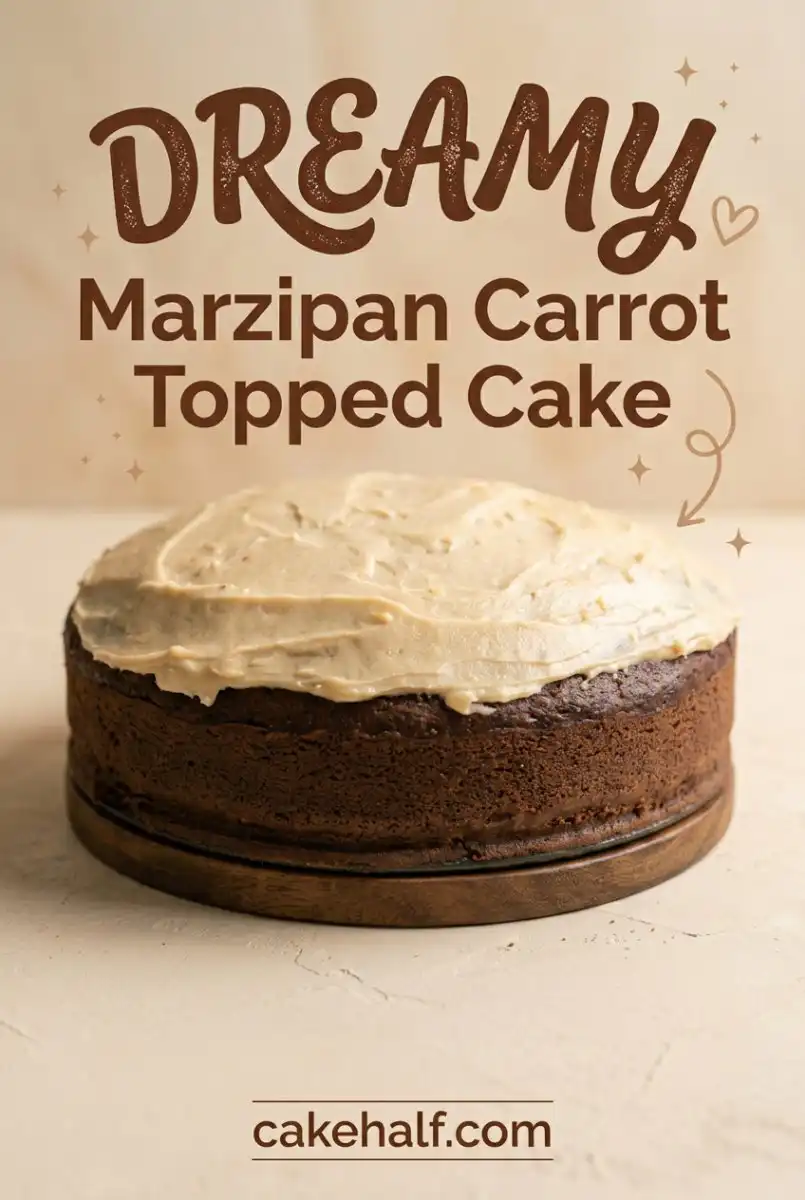
This Marzipan Carrot Topped Cake challenges the standard, spice-heavy rules of classic baking. By folding grated almond paste straight into the spiced base, we build a heavy-moisture crumb that defies dryness. The cold cream cheese whipped frosting balances the dense cake with a clean, sharp finish. It is a bold, small-batch style experiment scaled up to feed an appreciative crowd.
Why This Marzipan Carrot Topped Cake Earns Its Place
Prep: 30 min · Serves: 12 · Difficulty: Medium
Standard baking guides suggest keeping almond paste on the outside of a cake, but we choose a far more interesting route. We integrate it into the structural core of the bake. This process yields a texture so rich it feels almost like fudge while retaining a soft crumb. You will find that this method completely turns the standard carrot muffin texture on its head.
If you have already baked our strikingly beautiful purple carrot cake, you know how rewarding it is to push the boundaries of classic root vegetable desserts. This specific creation goes even further, elevating texture through nut-rich pastes and dense spices.
- Grated marzipan melts directly into the spiced crumb.
- Heavy sour cream guarantees supreme, lasting cake moisture.
- Cold cream cheese frosting balances warm seasonal spices.
- Golden roasted coconut flour adds unexpected, nutty crunch.
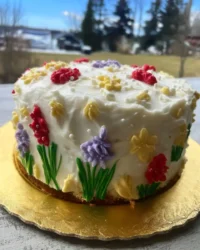
- Beautiful hand-shaped decorations command immediate table attention.
This is the cake that completely shifts how you view spring dessert centerpieces.
Get The Full Cake Recipe
Print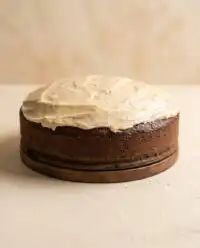
Marzipan Carrot Topped Cake
- Total Time: 1 hour 30 mins
- Yield: 12 servings
- Diet: Vegetarian
Description
This decadent carrot cake reinvents traditional recipes by folding grated marzipan directly into the spiced batter for an impossibly moist, fudge-like crumb. It is finished with a silky cream cheese frosting and charming, handcrafted edible carrot toppers.
Ingredients
- 250g grated marzipan
- 300g shredded fresh carrots
- 200g dark brown sugar
- 150g white sugar
- 200g softened butter
- 3 large eggs
- 250g all-purpose flour
- 1 tbsp baking powder
- 1 tsp salt
- 1 tbsp mixed spices
- 100g sour cream
- 50g raisins
- 250g cream cheese
- 100g butter, room temperature
- 100g powdered sugar
- 50ml heavy cream
- 1 tsp vanilla sugar
- 1 tsp lemon zest
- 2 tbsp roasted coconut flour
Instructions
- Prep your oven. Heat the oven to 180°C (fan) and grease a 25-26 cm springform pan, lining it with baking paper.
- Prepare the base. Whisk together the flour, baking powder, salt, and spices in a large mixing bowl to create a uniform dry mixture.
- Grate the components. Finely shred the fresh carrots and cold marzipan using a box grater, keeping them in a small bowl until needed.
- Cream the sugars. Beat the butter, white sugar, and brown sugar until pale and velvety, then incorporate the grated marzipan and eggs one by one.
- Combine the batter. Gently fold the dry ingredients, sour cream, grated carrots, and raisins into the wet base until just combined.
- Bake the cake. Scrape the batter into the pan and bake for approximately one hour or until a toothpick comes out clean.
- Whip the frosting. Beat the room-temperature butter with lemon zest, vanilla sugar, powdered sugar, cream cheese, and heavy cream until light and fluffy.
- Assemble the toppers. Shape the remaining marzipan into tiny carrots using food coloring and a paring knife for realistic texture.
- Decorate and chill. Spread the frosting over the cooled cake, dust with roasted coconut flour, and arrange the marzipan carrots on top before chilling.
Notes
- Ensure the marzipan remains chilled until the moment of grating to prevent it from turning into a sticky paste.
- Avoid using pre-packaged shredded carrots, as their lack of moisture will result in a dry and tough cake crumb.
- Use a long, thin knife dipped in hot water to achieve clean, professional slices that highlight the cake’s interior.
- If the frosting feels soft, chill the bowl for twenty minutes before adding the heavy cream to ensure a stable structure.
- Prep Time: 30 mins
- Cook Time: 1 hour
- Category: Dessert
- Method: Baking
- Cuisine: European
Build Your Mise en Place
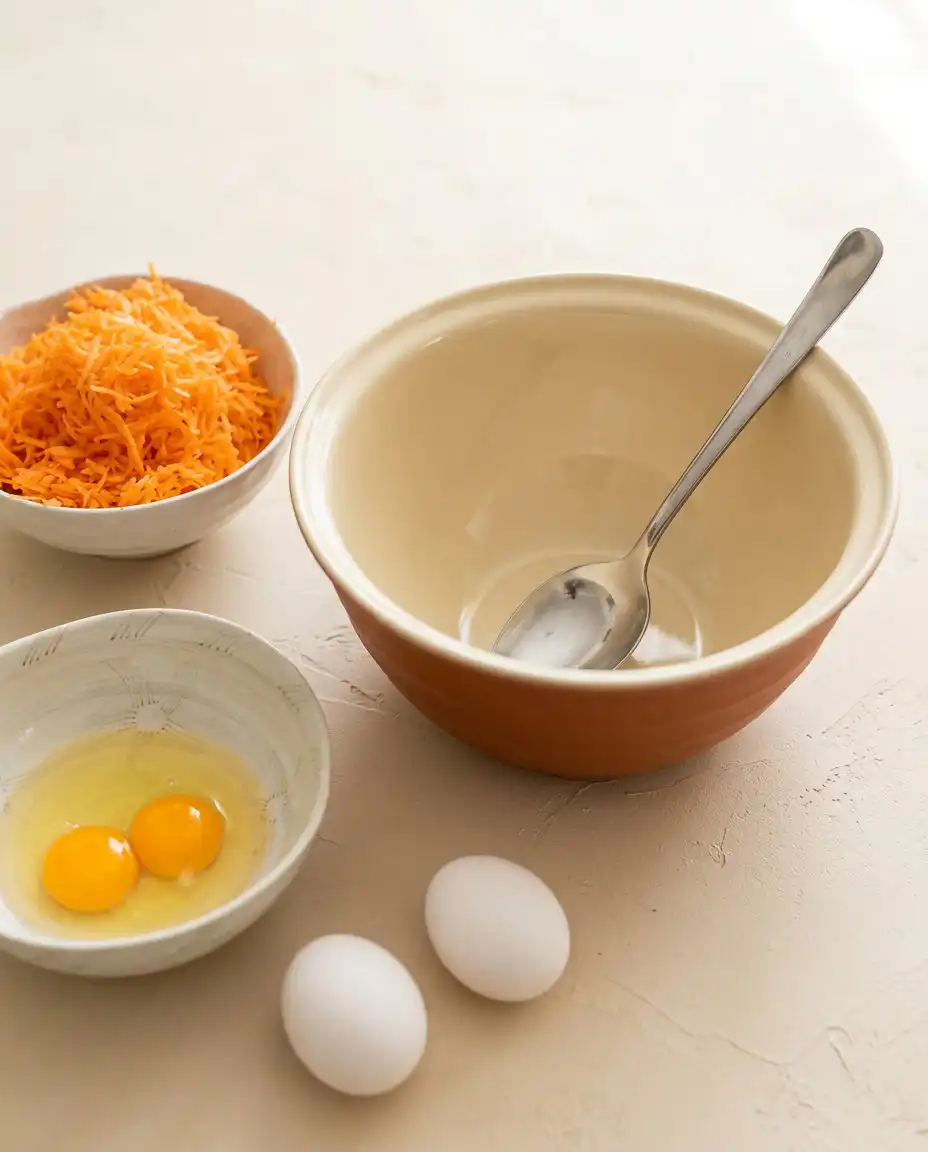
Selecting correct ingredients defines the final weight and crumb structure of this ambitious bake. Every component in this lineup serves a structural or aromatic purpose, moving far beyond standard sweetness. We balance heavy fat solids with sharp acids to keep the heavy crumb structured and light.
- Grated Marzipan: Choose a high-quality almond paste with at least fifty percent almond content. This provides the rich, nutty oils that melt directly into the flour, yielding an unmatched dense crumb.
- Brown Sugar: The natural molasses in dark brown sugar provides deep caramel notes and crucial moisture. It works alongside the white sugar to prevent the crumb from drying during the long baking hour.
- Sour Cream: A high-fat cultured sour cream breaks down the gluten strands, keeping the texture velvety. Avoid low-fat versions, as we need the fat solids to stabilize the heavy carrot shreds.
- Grated Carrots: Shred these by hand using the fine side of a box grater right before mixing. Pre-shredded carrots from the supermarket are far too dry and lack the necessary moisture to hydrate the dry ingredients.
- Cold Cream Cheese: Using cold block cream cheese is critical for building a frosting that holds its shape. Whipping it while cold keeps the fat stable and prevents a runny finish.
- Heavy Cream: Liquid heavy whipping cream is folded into the frosting at the very end. This lightens the dense fat profile of the butter and cream cheese, creating an airy cloud.
- Roasted Coconut Flour: This serves as a toasted flour dusting that adds a nutty, toasted scent. It mimics the texture of dry earth beneath our edible clay carrots.
| Ingredient | Why It Matters |
|---|---|
| Grated Marzipan | Dissolves into the batter to build moisture and a rich almond aroma. |
| Sour Cream | Adds lactic acid to tenderize the wheat gluten and soften the crumb. |
| Cold Cream Cheese | Establishes a thick, pipeable base that resists melting at room temperature. |
| Grated Carrots | Releases essential moisture slowly during the one-hour bake cycle. |
| Roasted Coconut Flour | Provides a warm toasted background that balances the sweet frosting. |
The Method
Step 1: Prep Your Spices and Oven
Position your oven rack in the center and heat the oven to 180°C (fan). Line a 25-26 cm springform pan with high-quality baking paper, greasing the sides with softened butter to prevent sticking. Combine your flour, baking powder, salt, and spices in a large bowl, whisking until the dry mixture is uniform. This dry base acts as the scaffold for our heavy wet ingredients.
Step 2: Grate the Vegetables and Almond Paste
Peel and shred the fresh carrots on the finest holes of your box grater to ensure they melt into the crumb. Grate the cold marzipan block using the same grater, taking care to keep the shreds loose. Combining these two shredded elements in a small bowl helps distribute them evenly later. The almond paste must remain cold during this step to avoid clumping.
Step 3: Beat the Marzipan Carrot Topped Cake Batter
Place the softened butter, white sugar, and brown sugar into your mixing bowl and beat for two minutes. The moment the yellow yolk base absorbs the sugars and shifts into a pale, velvety cream is your sensory cue. Add the grated almond paste and eggs one by one, beating thoroughly after each addition. The batter might look slightly split at this stage, but this is normal.
Step 4: Fold and Combine the Elements
Pour the sour cream and dry spices into the wet mixture, stirring gently with a spatula. Fold in the flour mixture in three parts, alternating with the grated carrots and raisins to keep the batter light. Work the batter until the flour streaks disappear completely into the deep orange base. Avoid overmixing here, as we want to preserve the delicate air pockets.
Step 5: Bake Thoroughly
Scrape the thick batter into your prepared springform pan, smoothing the top with an offset spatula. Bake for approximately one hour at 180°C, watching for a deep golden dome to form. Insert a clean toothpick into the center; it should emerge clean with no wet crumbs attached. Let the cake rest in the pan for twenty minutes before releasing the springform ring.
Step 6: Whip the Cream Cheese Frosting
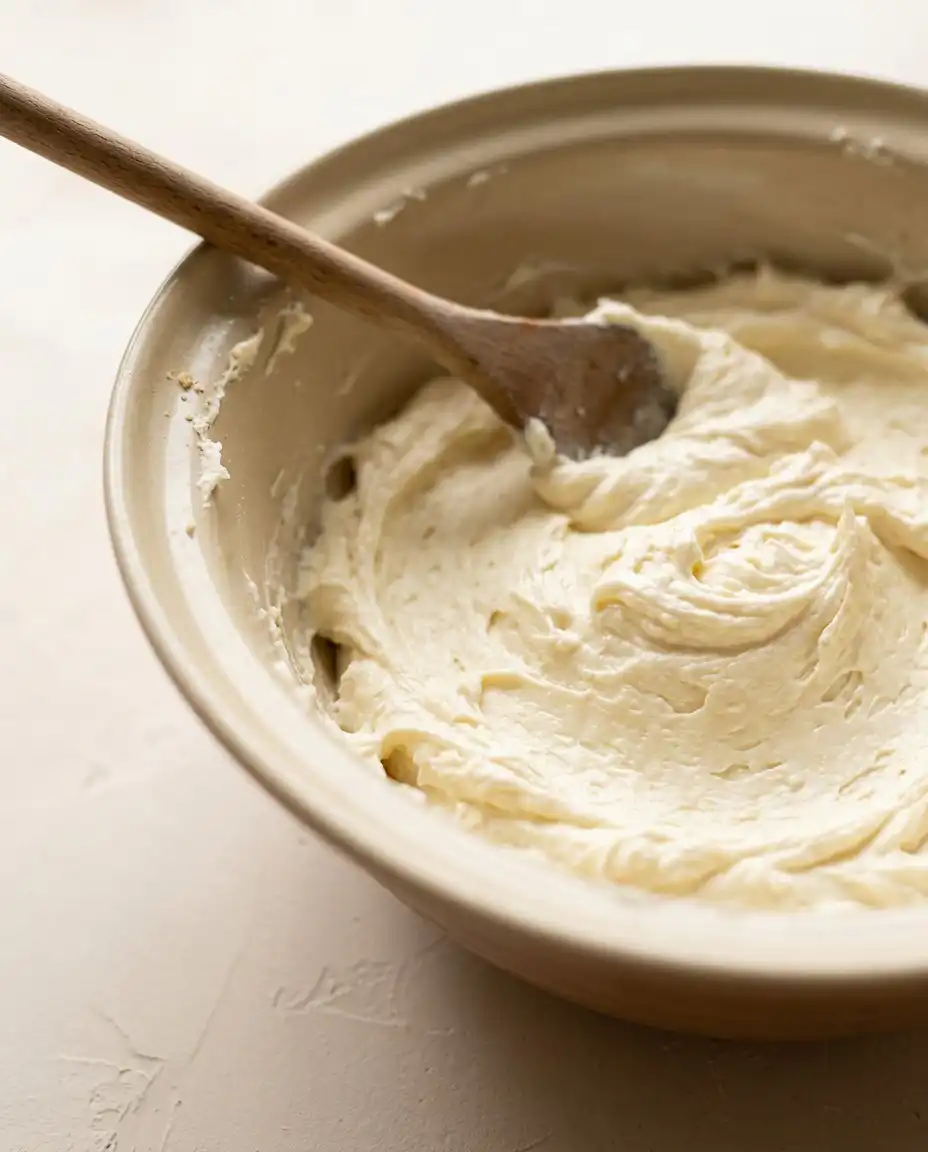
Beat the room-temperature butter in a clean bowl until light and fluffy, adding the lemon zest and vanilla sugar. Sift in the powdered sugar gradually, beating on low speed until fully incorporated. Add the cold cream cheese in small blocks, beating vigorously to eliminate any lumps before they form. Pour the heavy cream in a slow stream, whipping until the frosting turns into a pillowy cloud.
Step 7: Sculpt the Marzipan Toppers
Divide your remaining marzipan paste into small portions, kneading them with natural food coloring until uniform. Roll the orange portions into tiny carrot shapes, tapering the ends to look like fresh garden roots. Use a sharp paring knife to press light horizontal ridges along each orange body for realistic texture. Attach small green rosemary sprigs or green paste pieces to the top of each carrot to act as foliage.
Step 8: Assemble and Finish
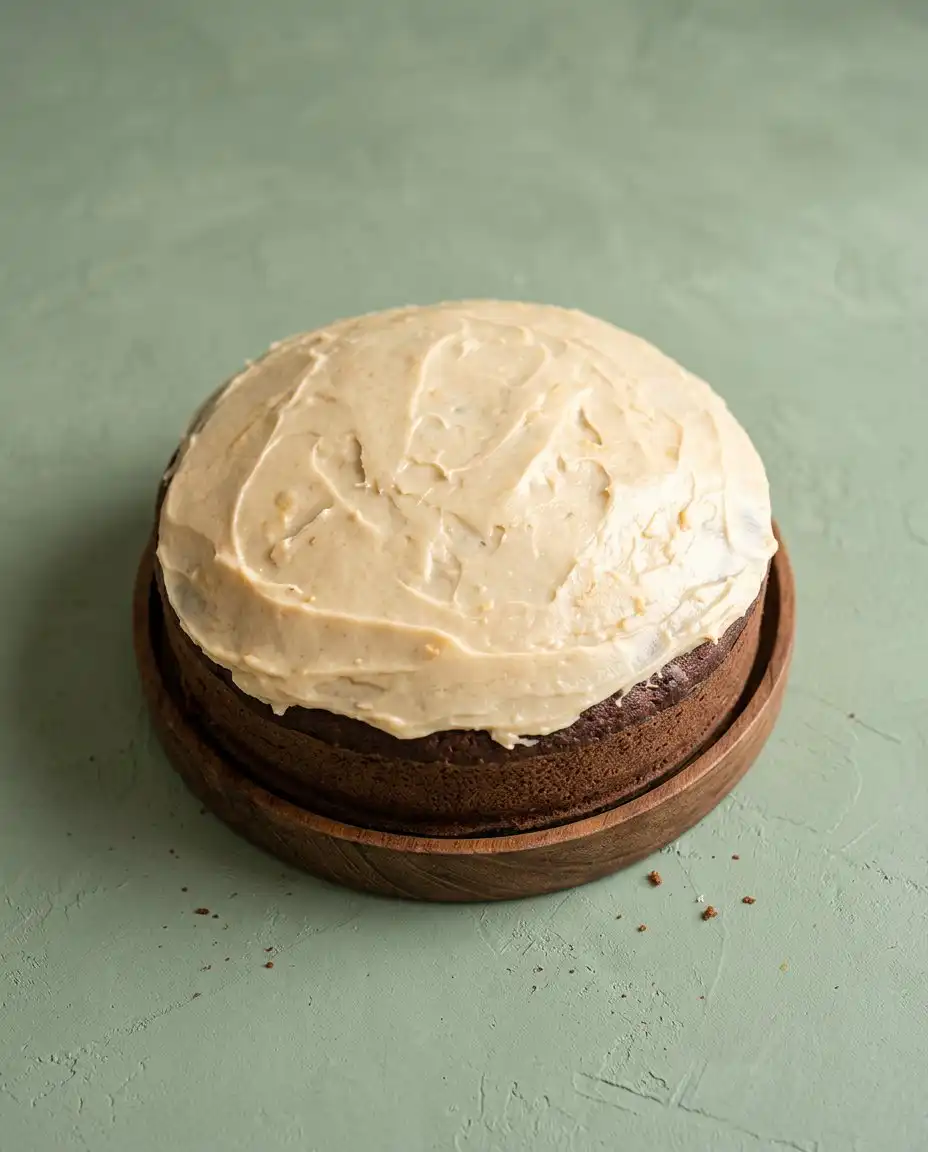
Spread the chilled cream cheese frosting generously over the completely cooled cake using a broad spatula. Sprinkle the roasted coconut flour over the center to mimic a natural garden soil bed. Arrange your hand-sculpted carrot toppers gently on top of the coconut dust, pressing them lightly into the frosting. Chill the finished cake for at least one hour before slicing to let the layers set.
Where to Be Precise
Always weigh your ingredients on a digital scale rather than relying on volume cups. Precision here is your ultimate liberation, guaranteeing the heavy carrots do not sink to the bottom of your pan. If you want to see how this scale-based precision transforms other bakes, check out our detailed classic carrot cake cream cheese story for visual texture comparisons.
If your cream cheese frosting becomes watery and soupy, here is why and how to fix it. This disaster happens when you overbeat the cream cheese or use a warm, spreadable style instead of brick cheese. The high water content in cheap cream cheese breaks the emulsion when whipped too long. Fix this by chilling the frosting for thirty minutes, then gently folding in two tablespoons of sifted cornstarch or instant pudding mix.
Pay close attention to the moisture levels of your grated carrots after shredding. If the carrots feel exceptionally wet, press them lightly between paper towels to remove excess liquid before folding. Too much liquid will weigh down the flour proteins, leaving a dense, gummy ring at the base of your bake.
Baking temperature consistency is critical for a large 25-cm cake. Keep the oven door closed for the first forty-five minutes of baking to prevent the hot air from escaping. Opening the door too early causes a sudden temperature drop, which can make the heavy, moist center collapse.
For a deeper flavor profile, we sometimes look to traditional European baking techniques. Incorporating a touch of lemon oil into the batter balances the heavy sweetness of the almond paste. You can read more about how this technique is handled in the original Scandinavian carrot cake with marzipan to see how northern bakers balance heavy spices.
Confirm your butter is truly softened to room temperature but not meltingly warm before you begin. If the butter is too cold, it will not trap enough air during the creaming stage, resulting in a heavy cake. If it is too warm, it will fail to hold the sugar crystals, leading to a greasy crumb.
Frequently Asked Questions
What is the purpose of marzipan on a carrot cake?
Integrating grated marzipan directly into the cake batter changes the structural density of the crumb from within. The almond oils melt during baking, creating a soft, fudge-like texture that prevents the cake from drying out. This technique also introduces a delicate nuttiness that pairs beautifully with the warm spices and carrots.
How do you make marzipan carrots?
Knead raw marzipan with natural food coloring until you achieve bright orange and green hues. Roll small portions of the orange paste into tapered cones, then use a butter knife to score light horizontal lines across the body. Finish by inserting a tiny sprig of fresh rosemary or green marzipan into the top of each cone.
What can you use to stick marzipan carrots to a cake?
The fresh cream cheese frosting acts as a natural adhesive for your hand-sculpted carrot decorations. If your frosting has already set or crusted, dab a tiny amount of honey, maple syrup, or leftover wet frosting onto the base of each topper. Press them gently into place to guarantee they do not slide when moving the cake.
How do you store a marzipan carrot topped cake?
Keep this cake in an airtight container in the refrigerator to protect the dairy-based frosting. It will stay exceptionally moist for up to four days thanks to the rich almond oils from the grated paste. Bring individual slices to room temperature for fifteen minutes before serving to soften the butter solids.
Can I freeze the cake layers before frosting them?
You can freeze the baked and cooled cake layers for up to three months. Wrap the unfrosted layers tightly in double layers of plastic wrap and a layer of aluminum foil to prevent freezer burn. Thaw the cake overnight in the refrigerator before applying the fresh cream cheese frosting.
Can I make this cake gluten-free?
Yes, you can substitute the all-purpose wheat flour with a high-quality, 1-to-1 gluten-free baking blend. Look for a blend that contains xanthan gum to help replicate the structural elasticity of wheat flour. The high moisture content from the carrots and grated paste prevents the gluten-free crumb from becoming dry.
Why did my cake sink in the center?
A sunken center usually indicates too much leavening agent or opening the oven door too early during baking. If the baking powder reacts too quickly before the flour proteins set, the trapped air bubbles collapse. Confirm you measure the baking powder precisely and leave the oven door closed.
Rebel Swaps
If you prefer a smaller, more concentrated bake, you can easily adapt this recipe into a six-inch masterpiece. Scale the ingredients down by half and bake in a smaller pan for forty minutes instead of a full hour. This smaller canvas concentrates the rich almond oils and creates a thicker, more dramatic frosting-to-cake ratio. If you want to read more about small-batch logic, our classic carrot cake guide offers excellent tips on scaling down structures without losing structural balance. This approach keeps the crumb extraordinarily tender while making sure your decorations do not overwhelm the surface.
Swap the raisins for chopped dried apricots or candied ginger pieces to change the fruit profile. This adjustment introduces a sharp, bright chew that contrasts beautifully with the dense, spiced cake crumb. Coat the chopped dried fruit in a tablespoon of flour before folding to keep them from sinking to the bottom. It is a simple but highly effective trick that keeps every single bite packed with complex textures.
Replace the classic spices with a bold Chinese five-spice blend for an intriguing Asian-inspired twist. The star anise and fennel notes in the five-spice powder draw out the natural herbal quality of the grated almond paste. This creates a highly complex flavor profile that surprises your guests and breaks the traditional mold of spring baking. It proves that holiday cakes do not have to follow the same predictable path every year.
How to Finish and Serve
Presentation of this centerpiece cake deserves careful consideration. Slice the cake using a long, sharp knife dipped in hot water and wiped clean between each cut to guarantee pristine cross-sections. This technique reveals the beautiful inner contrast between the spiced orange crumb, the dark raisins, and the velvety white frosting. It is the visual drama of this cut that proves your skill as an innovative baker.
Serve each slice alongside a warm cup of pour-over coffee or a light, herbal chamomile tea. The natural acidity of the coffee cuts through the rich fat of the cream cheese, while the floral tea notes highlight the delicate almond aroma of the marzipan. This combination creates a beautifully balanced afternoon tasting experience that your guests will talk about long after the last crumb is gone.
For grand spring events, display this cake on a raised glass stand to showcase the hand-sculpted garden details on top. It makes a stunning centerpiece for all your spring celebration cakes gatherings. The contrast of the toasted coconut soil against the pristine white frosting commands attention from across the room, making it the ideal talking point.
The Takeaway
Baking a cake of this caliber is more than just following steps; it is about trusting the chemical reactions of your ingredients. By integrating grated almond paste directly into your batter, you have successfully broken the rules of traditional dry carrot bakes. You have crafted a masterpiece that prioritizes texture and depth over simple, one-note sweetness. It is a proud moment that deserves to be celebrated.
As you continue your journey through our classic recipes, remember that every recipe is merely a starting point. Your willingness to experiment is what ultimately brings these creations to life in your own kitchen. Share your baking triumphs with us, and let us know how your hand-sculpted toppers turned out.
Connect with our community of adventurous home bakers online to share your beautiful kitchen creations. You can follow our journey and post your photos on Pinterest or join the lively discussions on our Facebook page. We cannot wait to see how you make this recipe your own and hear your feedback.