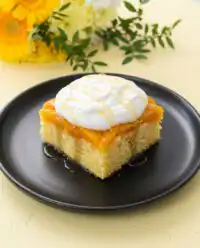
The technique of the meringue is the quiet architecture behind the Moist Blueberry Lemon Angel Food Cake, a discipline that demands your full attention before rewarding you with a cloud-like crumb.

This particular bake demands a departure from the heavy, butter-laden sponge typically found in modern patisserie. By utilizing the physics of aerated egg whites, the Moist Blueberry Lemon Angel Food Cake achieves a height and lightness that remains resilient against the moisture of fresh berries. You will find that the addition of sharp citrus oils provides a necessary counterpoint to the delicate sweetness of the crumb. It is a dessert that rewards the patient baker who understands that air is as vital an ingredient as flour.
The Craft Behind This Cake
Prep: 25 min · Serves: 10 · Difficulty: Medium
- Achieves a refined, airy texture without fats.
- Balances bright lemon zest with sweet berries.
- Showcases the precision of a stable meringue.
- Requires minimal ingredients for a complex result.
- Provides a clean, sharp cross-section when sliced.
This is the technique I rely on whenever the occasion calls for elegance without the heaviness of cream. Integrating the fruit into the lemon blueberry cake structure ensures every slice remains balanced.
Get The Full Cake Recipe
Print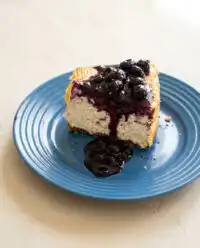
Moist Blueberry Lemon Angel Food Cake
- Total Time: 3 hours 10 mins
- Yield: 10 servings
Description
This ethereal angel food cake balances a cloud-like, fat-free sponge with the brightness of fresh lemon zest and juicy blueberries. It is a masterclass in meringue technique, yielding a perfectly airy crumb that is both delicate and structurally resilient.
Ingredients
- 1 1/2 cups egg whites, room temperature
- 1 cup cake flour
- 1 1/2 cups granulated sugar, divided
- 1/4 teaspoon salt
- 1 1/2 teaspoons cream of tartar
- 1 tablespoon fresh lemon zest
- 1 cup fresh blueberries
- 1 teaspoon vanilla extract
Instructions
- Initialize the environment. Preheat your oven to 350°F (175°C) and prepare an ungreased 10-inch tube pan.
- Sift the flour. Sift the cake flour, half of the granulated sugar, and salt together four times to ensure maximum aeration.
- Create the foam. Beat the egg whites in a clean glass or metal bowl on medium speed until they reach a sea-foam consistency.
- Add the acid. Incorporate the cream of tartar and continue beating until soft, stable peaks form.
- Add remaining sugar. Gradually beat in the remaining sugar one tablespoon at a time until the meringue is glossy and forms stiff, sharp peaks.
- Fold in dry ingredients. Gently fold one-third of the flour mixture into the meringue using a large spatula until no streaks remain.
- Incorporate the fruit. Toss fresh blueberries with one tablespoon of flour and gently fold them into the batter.
- Prepare the pan. Transfer the batter to the tube pan and run a knife through the batter to release large air pockets.
- Bake the cake. Bake for 35 to 45 minutes until the top is golden and springs back when touched.
- Cool the cake. Immediately invert the pan onto its feet or a bottle and let it rest for two hours before unmolding.
Notes
- Use a glass or stainless steel bowl to ensure the surface is completely free of grease for a better meringue.
- Always use a microplane to zest only the yellow outer skin of the lemon, avoiding the bitter white pith.
- Tossing blueberries in a light coating of flour prevents them from sinking to the bottom of the cake during baking.
- Patience during the two-hour cooling phase is essential to ensure the cake sets properly and does not collapse.
- Prep Time: 25 mins
- Cook Time: 45 mins
- Category: Dessert
- Method: Baking
- Cuisine: French-inspired
Your Ingredients and Their Roles
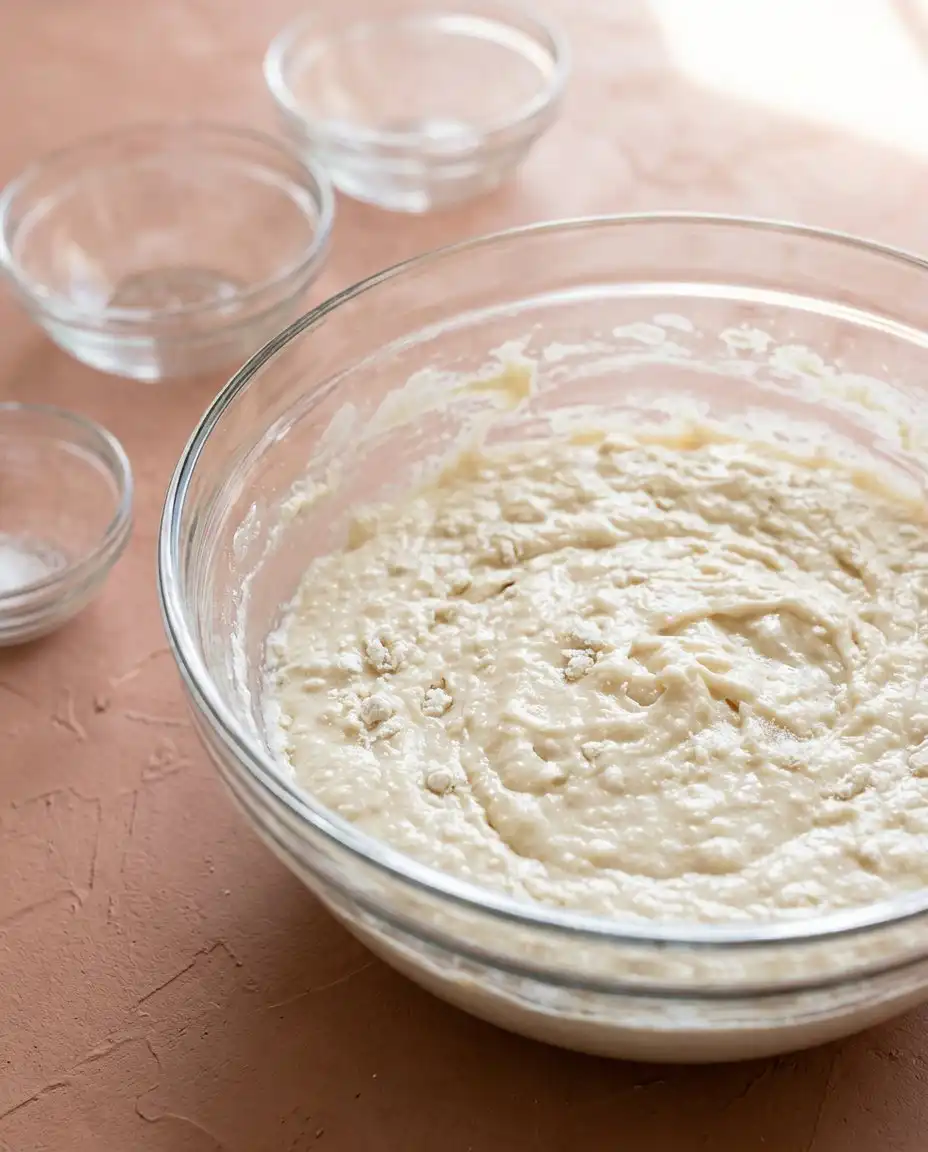
The success of this Moist Blueberry Lemon Angel Food Cake depends entirely on the quality and temperature of your mise en place. Each component serves a structural purpose rather than just a flavor profile.
- Egg Whites: These provide the entire structural framework of the cake; they must be at room temperature to achieve maximum expansion and volume during the whipping process.
- Cake Flour: This low-protein flour is essential for a tender crumb; the reduced gluten prevents the cake from becoming rubbery or tough after baking.
- Granulated Sugar: This serves as a stabilizer for the egg white proteins, allowing them to hold onto the air bubbles you have carefully incorporated.
- Cream of Tartar: This acidic agent lowers the pH of the egg whites, which strengthens the protein bonds and prevents the meringue from collapsing.
- Fresh Lemon Zest: The oils found in the yellow zest provide a concentrated citrus aroma without adding excess liquid that could deflate the batter.
- Fresh Blueberries: These provide bursts of moisture; using fresh berries is vital to prevent the bleeding of color and excess water weight.
- Vanilla Extract: A high-quality extract adds a subtle depth that grounds the brighter notes of the lemon and berries.
| Ingredient | Why It Matters |
|---|---|
| Egg Whites | Creates the cellular structure and lift. |
| Cake Flour | Ensures a delicate, melt-in-the-mouth texture. |
| Cream of Tartar | Stabilizes the foam for a consistent rise. |
| Lemon Zest | Delivers pure citrus flavor without acidity issues. |
| Fresh Blueberries | Adds natural moisture and fruit interest. |
The Method, Step by Step
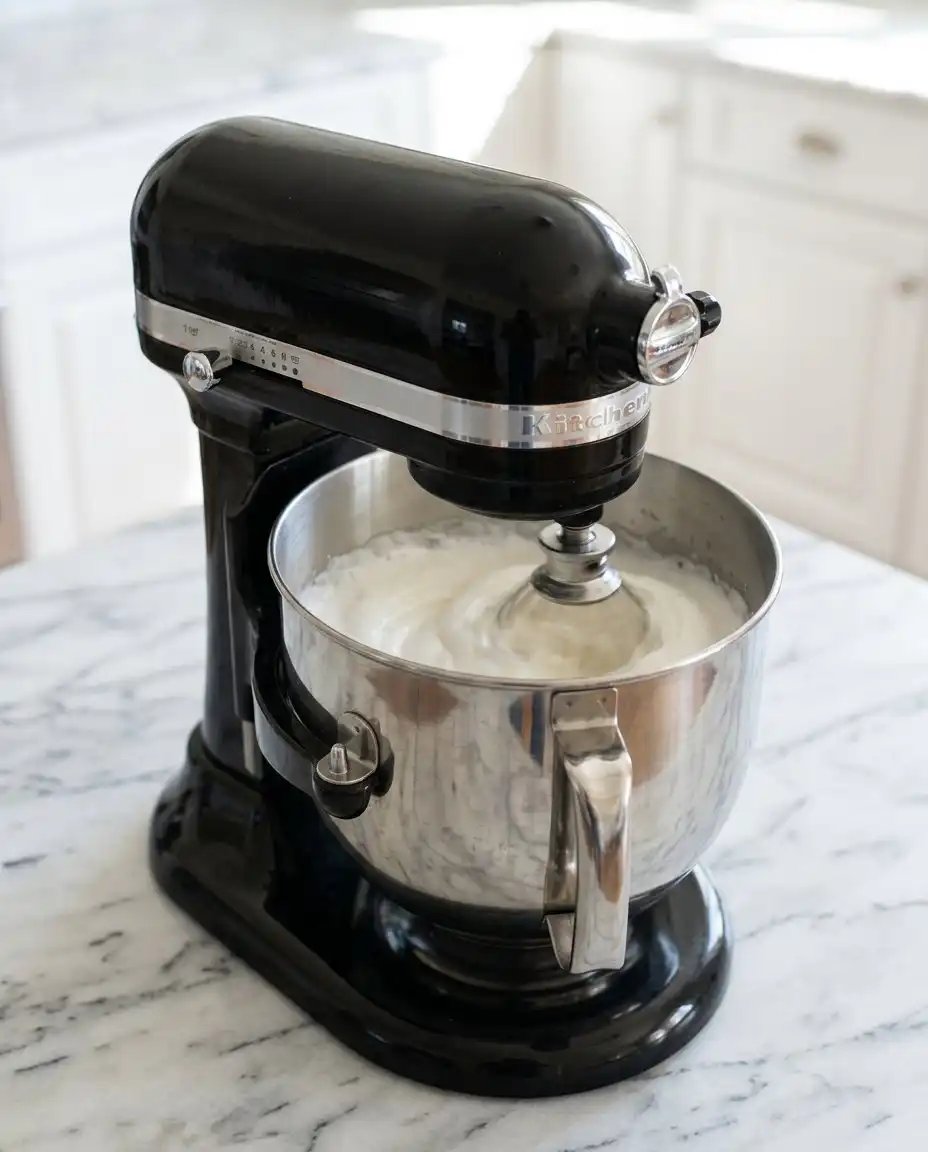
Step 1: Initialize Your Mise en Place
Begin by preheating your oven to 350°F (175°C) to verify a stable thermal environment. You must use an ungreased 10-inch tube pan, as the batter requires the friction of the bare metal to climb and maintain its height. Prepare your egg whites by ensuring they are completely free of any yolk particles, as even a trace of fat will prevent the formation of a stable foam.
Step 2: The Refined Sifting Process
Combine your cake flour, half of the granulated sugar, and the salt in a medium bowl. You will sift this mixture at least four times to aerate the particles and remove any clumps that could weigh down the meringue. This step is not a suggestion; it is the foundation of the clean, dry crumb you are seeking to create.
Step 3: Achieving the Foamy Stage
Place your room temperature egg whites into a pristine glass or metal bowl. Begin beating on a medium speed until the surface is covered in small, uniform bubbles. You are looking for a texture that resembles sea foam before you proceed to add your acid.
Step 4: Stabilizing with Cream of Tartar
Add the cream of tartar to the foamy whites and increase the speed of your mixer. The acid will begin to tighten the protein mesh, making the bubbles smaller and more resilient. Continue until the whisk leaves faint tracks in the whites, signaling the transition to soft peaks.
Step 5: Incorporating the Sugar Gradually
Add the remaining sugar one tablespoon at a time while the mixer continues to run. This slow addition allows the sugar to dissolve completely into the moisture of the whites, creating a glossy and firm meringue. You should be able to lift the whisk and see a sharp point that does not flop over.
Step 6: Folding the Dry Architecture
Remove the bowl from the mixer and sprinkle a third of the flour mixture over the surface. Use a large spatula to cut through the center and fold the whites over the flour with a gentle, circular motion. Repeat this until no streaks remain, treating the batter with the delicacy required for a Moist Blueberry Lemon Angel Food Cake.
Step 7: Preparing and Folding the Fruit
Toss your fresh blueberries in a single tablespoon of flour to create a textured surface that will cling to the batter. Gently fold these into the mixture, ensuring they are distributed evenly without deflating the air you have worked so hard to incorporate. The batter should still feel light and voluminous in your bowl.
Step 8: Transfer and Air Pocket Removal
Spoon the batter into your tube pan with a steady hand, smoothing the top with your spatula. Run a thin knife through the circumference of the batter to release any large air pockets that could cause uneven holes in the finished cake. This ensures the structural integrity of every slice.
Step 9: Baking Your Moist Blueberry Lemon Angel Food Cake
Place the pan in the center of the oven and bake for 35 to 45 minutes until the top is golden and dry. You will know the cake is finished when the surface springs back instantly after a light touch. Avoid opening the oven door prematurely, as the sudden change in temperature can shock the delicate structure.
Step 10: The Essential Inverted Cooling
Immediately invert the pan onto its feet or over a stable bottle neck once it leaves the oven. Gravity is now your assistant, pulling the cake downward to prevent it from collapsing under its own weight as it cools. Allow it to rest in this position for at least two hours before attempting to unmold.
Where Precision Makes the Difference
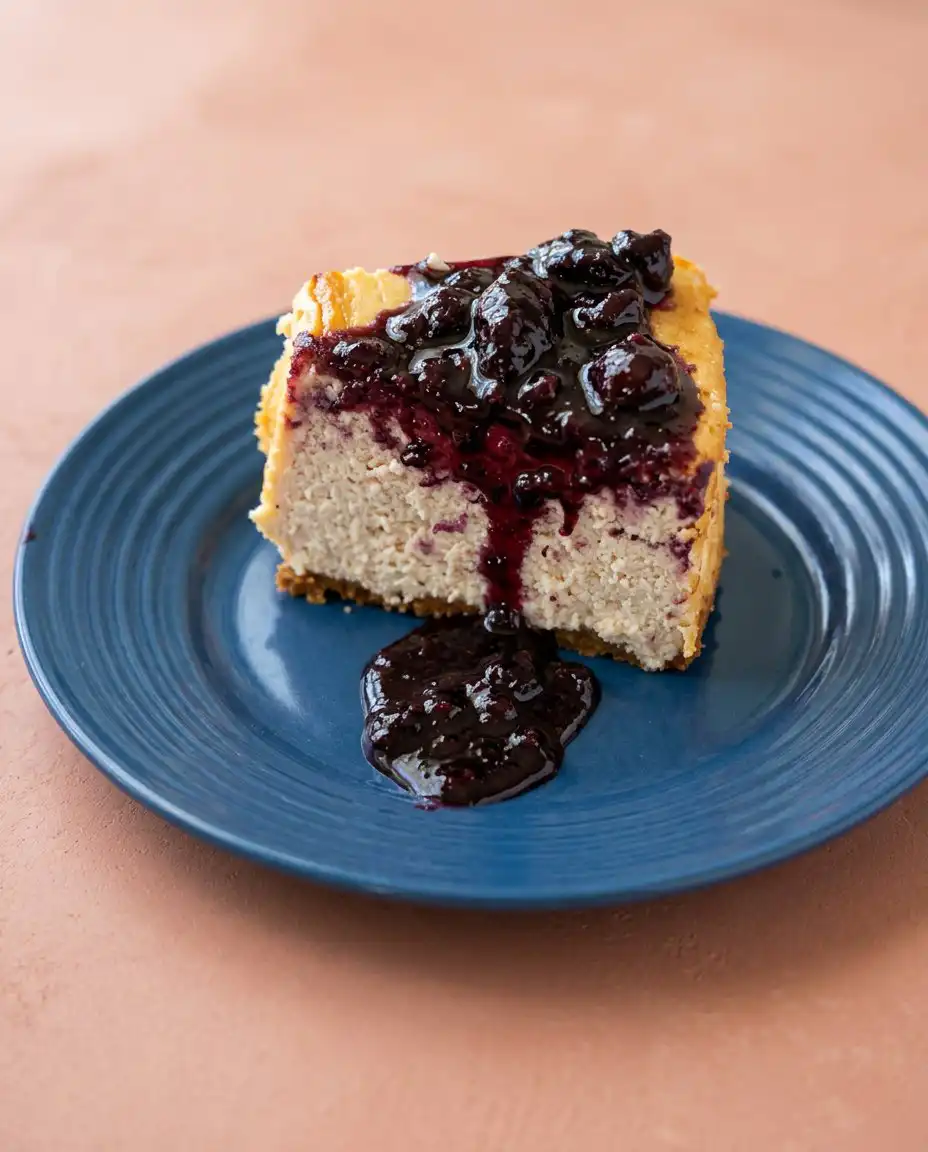
If your egg whites fail to reach a stiff peak, you must verify that your equipment was entirely grease-free before you began. Even the invisible film from a plastic bowl can interfere with the protein bonding, so always prefer glass or stainless steel for this task. You might even consider wiping the bowl with a drop of lemon juice to remove any lingering oils from previous bakes.
Precision in the sifting process cannot be overstated when working with angel food cake with berries. The goal is to make the flour as light as the air it will inhabit, which prevents the heavy clumps that lead to a dense or gummy bottom layer. This mechanical aeration is what allows the cake to rise without the need for chemical leaveners like baking powder.
When zesting your lemons, focus only on the outermost yellow layer where the essential oils reside. The white pith underneath is bitter and contains no flavor, and its inclusion will compromise the clean finish of your Moist Blueberry Lemon Angel Food Cake. Use a microplane with a light touch to collect only the most fragrant part of the fruit.
If the cake appears to be sinking during the cooling process, it was likely underbaked by a few minutes. The internal structure must be completely set to support the weight of the moisture and fruit once it is removed from the heat. Always test the center with a skewer to verify it comes out clean before you decide the bake is finished.
Patience here is not a virtue — it is an instruction. Do not be tempted to unmold the cake while it is still warm, as the steam will cause the crumb to tear and compress. A cold cake is a stable cake, and waiting for the full two hours will yield the professional, sharp edges that characterize a high-quality patisserie result. For those planning a gathering, these lightweight wedding dessert aesthetics often rely on such structural perfection.
Frequently Asked Questions
Can I use frozen blueberries for this recipe?
It is not recommended to use frozen berries because they release a significant amount of liquid as they thaw in the heat of the oven. This excess moisture can weigh down the delicate egg white structure and lead to a gummy or collapsed cake. If you must use them, do not thaw them first and toss them heavily in flour, though the result will never be as light as with fresh fruit.
Why did my angel food cake fall out of the pan when inverted?
This usually happens if the pan was greased or if you used a non-stick pan. The batter must be able to stick to the sides of the tube pan to climb and stay supported while cooling upside down. If the pan is slippery, the cake has nothing to hold onto and will simply slide out before the structure has had time to set.
How do I know if I have overmixed the batter?
If your batter looks thin and liquid rather than thick and airy, you have likely deflated the egg whites through overmixing. The finished batter should look like a voluminous cloud and hold its shape when spooned into the pan. Once you add the flour, you must fold only until the white streaks disappear to preserve the air cells.
Does the type of sugar really matter?
Standard granulated sugar is preferred because its crystals are small enough to dissolve quickly into the egg whites but large enough to provide the necessary friction for whipping. Do not use powdered sugar for the meringue, as the cornstarch it contains will alter the chemistry of the cake. Superfine sugar is an acceptable alternative if you want an even smoother meringue texture.
How should I store the leftover cake?
The Moist Blueberry Lemon Angel Food Cake should be stored at room temperature in an airtight container for up to two days. Avoid the refrigerator for the first 24 hours, as the cold environment can cause the delicate sponge to dry out and lose its spring. If you must keep it longer, wrap individual slices tightly in plastic wrap before refrigerating.
Can I make this cake without cream of tartar?
While you can substitute lemon juice or white vinegar in a 2:1 ratio, cream of tartar is the superior stabilizer for professional results. It provides a more consistent acid level which ensures the egg whites do not over-expand and then collapse. For a cake that relies entirely on air for its structure, using the correct stabilizer is a technical necessity.
Considered Variations
While the lemon and blueberry combination is a standard of the craft, you may adapt the citrus profile to suit your preference. Substituting lime zest or a blend of citrus oils can provide a different aromatic experience while maintaining the same structural chemistry. The key is to keep the volume of zest consistent so as not to introduce too much moisture into the lemon cake base.
If you find yourself without fresh blueberries, you may utilize other small, firm fruits such as raspberries or finely diced strawberries. These fruits must be patted dry after washing to ensure that no surface water interferes with the meringue. Always remember to flour the fruit regardless of the variety to ensure they remain suspended within the crumb during the baking process.
You might also consider a variation that incorporates a light almond extract in place of the vanilla. This creates a more traditional European flavor profile that pairs beautifully with the acidity of the lemon. Such small adjustments allow you to tailor the recipe without compromising the foundational techniques that make the cake successful.
Finishing and Presenting
When you are ready to serve the Moist Blueberry Lemon Angel Food Cake, the presentation should reflect the lightness of the bake itself. A simple dusting of powdered sugar is often enough to highlight the golden exterior and the luminous blue of the berries. You should always use a serrated knife with a gentle sawing motion to ensure you do not crush the delicate air cells as you slice.
For a more formal presentation, you might serve a slice alongside a dollop of unsweetened whipped cream or a thin lemon glaze. This adds a layer of richness that complements the fat-free nature of the sponge without overwhelming the palate. If you are looking for a different approach to chilled service, consider the components of a no bake lemon blueberry dessert as a side accompaniment.
This cake is best enjoyed on the day of baking when the crumb is at its most resilient and the citrus aromatics are most potent. Place it on a clean white pedestal to allow the natural colors of the fruit and zest to take center stage. The contrast between the pale crumb and the deep blue fruit is a testament to the care you took during the folding process.

What You Have Learned Here
Mastering the Moist Blueberry Lemon Angel Food Cake is a journey into the heart of French-inspired precision. You have seen how the simple combination of egg whites, sugar, and flour can be transformed into something ethereal through the application of correct technique and a steady hand. Every step, from the multiple siftings to the patient cooling, has earned its place in the final result you now see before you.
As you slice into your creation, take a moment to observe the distribution of the fruit and the evenness of the crumb. These small details are the visible proof of your disciplined approach to the craft. I encourage you to share your results with others who appreciate the quiet rewards of a bake done exactly right. For more inspiration on light sponges, you may look into my guide on angel food cake coconut whipped cream berries for your next gathering.
I invite you to document your baking progress and join our community of dedicated makers. You can find further technical discussions and visual guides on our social platforms. Join us on Pinterest, Facebook, and TikTok to continue building your skills alongside fellow enthusiasts.