An amateur zucchini cake is often heavy and damp, whereas a professional Zucchini Cake with pecans balances moisture with a refined, structural crumb.

Success in this recipe depends entirely on how you manage the water content of the squash and the aeration of the eggs. When handled with precision, the vegetable disappears into a tender, spiced crumb that serves as a foundation for toasted nuts. You will find that the resulting cake possesses a sophistication rarely found in common garden bakes. This recipe is an exercise in restraint and technical execution.
What Careful Baking Produces in This Zucchini Cake with pecans
Prep: 30 min · Serves: 16 · Difficulty: Medium
- Balanced moisture through precise vegetable preparation
- Structural integrity from emulsified fat and eggs
- Deep flavor developed by toasted nut oils
- Superior crumb texture via controlled gluten mixing
- Sophisticated sweetness using molasses-rich brown sugar
This cake represents the freedom to repeat success through small things done exactly right. Finding the balance between moisture and structure is simple when you treat these modern and mini cakes with professional respect.
Get The Full Cake Recipe
Print
Zucchini Cake with pecans
- Total Time: 3 hours 10 mins
- Yield: 16 servings
- Diet: Vegetarian
Description
This refined Zucchini Cake with pecans achieves a professional-grade, tender crumb through careful vegetable moisture management and precise emulsification. Topped with a silky cream cheese frosting, it balances warm, aromatic spices with the satisfying crunch of toasted nuts.
Ingredients
- 2 cups all-purpose flour
- 1 teaspoon baking powder
- 1 teaspoon baking soda
- 1/2 teaspoon salt
- 1 tablespoon ground cinnamon
- 1/2 teaspoon ground nutmeg
- 1 cup vegetable oil
- 1 cup light brown sugar, packed
- 1/2 cup granulated sugar
- 3 large eggs
- 1 teaspoon vanilla extract
- 2 cups finely grated zucchini
- 1 cup chopped pecans, toasted
- 8 ounces cream cheese, softened
- 1/2 cup unsalted butter, softened
- 2 cups powdered sugar
Instructions
- Prepare the oven. Preheat your oven to 350°F and prepare a 13- x 9-inch pan with flour-based baking spray.
- Whisk dry ingredients. In a medium bowl, combine the flour, baking powder, baking soda, salt, cinnamon, and nutmeg until uniform.
- Emulsify wet base. In a large vessel, whisk eggs, oil, brown sugar, granulated sugar, and vanilla until the mixture is glossy and thickened.
- Add the zucchini. Stir the finely grated zucchini into the wet mixture until evenly suspended, keeping the shreds intact.
- Fold in flour. Gradually fold the dry ingredients into the wet mixture, stopping immediately once the last streaks of flour disappear.
- Incorporate the pecans. Fold in the chopped toasted pecans using a few decisive strokes to ensure even distribution.
- Bake the cake. Pour the batter into the prepared pan, level the surface, and bake for 35 to 40 minutes until a toothpick inserted in the center emerges clean.
- Cool the cake. Allow the cake to rest on a wire cooling rack for at least two hours to ensure the crumb structure sets properly.
- Make the frosting. Beat the softened cream cheese and butter until aerated, then incorporate powdered sugar, vanilla, and a pinch of salt until smooth.
- Finish with frosting. Spread the cream cheese frosting evenly over the completely cooled cake, creating decorative swoops with a palette knife.
Notes
- Ensure all dairy and egg ingredients are at room temperature to prevent the batter from splitting during mixing.
- Use the small holes on a box grater to process the zucchini for the most delicate and uniform texture in the final crumb.
- Toast your pecans in a dry skillet over medium heat until fragrant before adding them to the batter for deeper flavor.
- Always use a knife dipped in hot water and wiped clean between each slice for perfect, professional-looking cake portions.
- Store the finished cake in the refrigerator but bring it to room temperature for thirty minutes before serving for the best texture.
- Prep Time: 30 mins
- Cook Time: 40 mins
- Category: Desserts
- Method: Baking
- Cuisine: Modern American
The Mise en Place
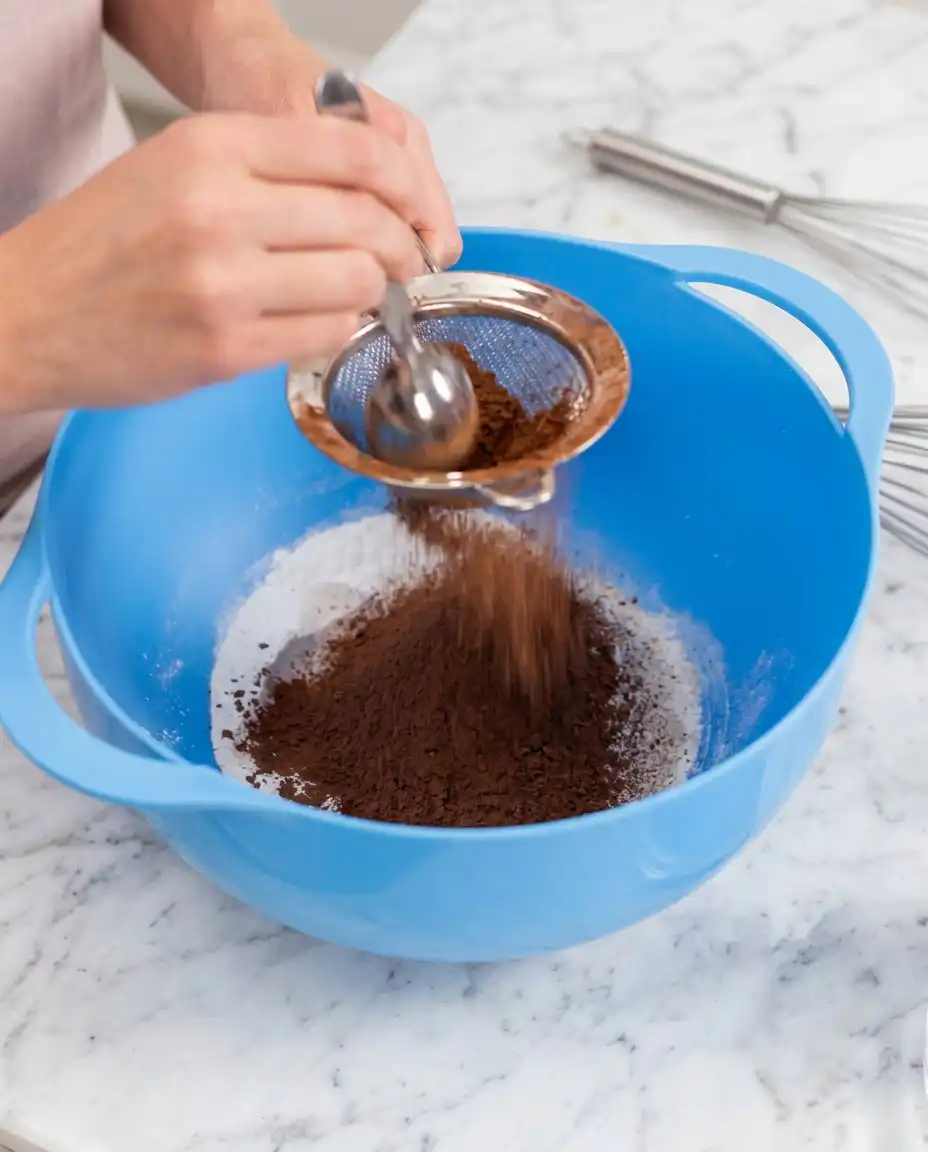
Before you begin the physical act of mixing, every component must be measured by weight to ensure the chemical reactions proceed as intended. Each ingredient serves a specific structural or flavorful purpose that cannot be altered without affecting the final result.
- Finely Grated Zucchini: This provides the essential moisture and tenderizes the crumb by physically interrupting gluten strands.
- Vegetable Oil: Unlike butter, oil remains liquid at room temperature, which guarantees a moist mouthfeel and a soft texture even after refrigeration.
- Large Eggs: These act as the primary emulsifier, binding the oil and sugars into a stable, aerated foam.
- Light Brown Sugar: The inclusion of molasses provides acidity, which reacts with the baking soda to create a delicate rise.
- Ground Cinnamon and Nutmeg: These warm spices provide the aromatic depth that transforms a simple vegetable cake into a professional patisserie offering.
- Chopped Pecans: The fats in these nuts provide a necessary textural contrast to the soft, spiced crumb of the cake.
| Ingredient | Why It Matters |
|---|---|
| Zucchini | Provides internal hydration and soft texture |
| Vegetable Oil | Ensures a moist crumb at all temperatures |
| Baking Soda | Reacts with sugar acidity for leavening |
| Pecans | Adds essential healthy fats and crunch |
| Eggs | Creates the structural framework of the batter |
The Technique Laid Out
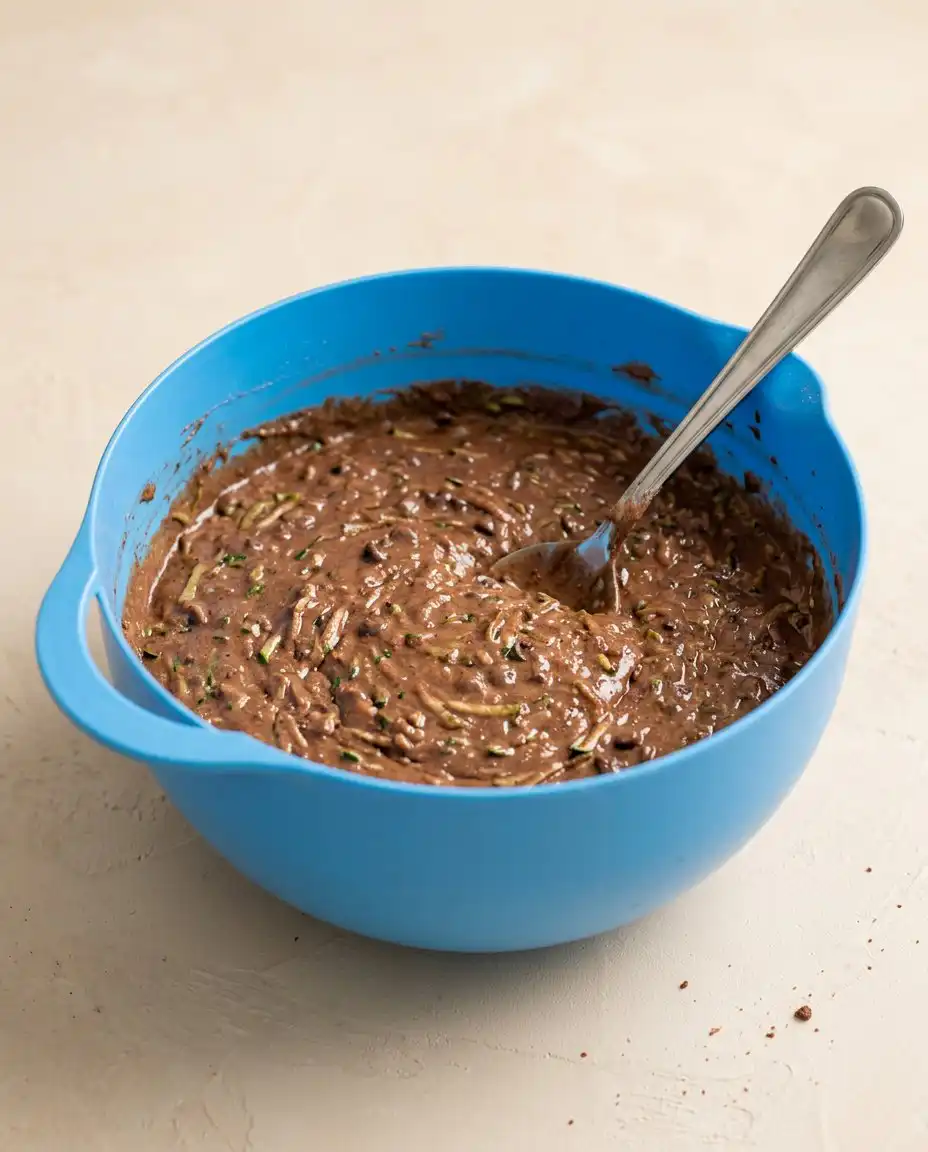
Step 1: Prepare the Foundation
Begin by preheating your oven to 350°F, ensuring the rack is positioned in the center for even heat distribution. You must prepare the 13- x 9-inch pan with a specialized baking spray containing flour, which creates a reliable barrier between the batter and the metal. A properly prepared pan is the first step toward a clean, sharp edge on every slice you serve.
Step 2: Aerate the Dry Components
In a medium-sized bowl, whisk together the all-purpose flour, baking powder, baking soda, salt, and spices until the mixture is uniform in color. This mechanical agitation does more than combine ingredients; it aerates the flour and ensures the leavening agents are distributed evenly throughout the matrix. You will notice the flour feels lighter and looks more voluminous after a minute of steady whisking.
Step 3: Emulsify the Zucchini Cake with pecans Base
In a separate large vessel, whisk the eggs, vegetable oil, brown sugar, granulated sugar, and vanilla extract with sustained vigor. You are looking for a cohesive, glossy liquid where the sugars have begun to dissolve and the oil is fully suspended within the egg proteins. The mixture should appear smooth and slightly thickened, indicating a successful emulsion has formed at the base of your batter.
Step 4: Integrate the Vegetable Moisture
Add the finely grated zucchini to the wet mixture, stirring gently to distribute the shreds without crushing them. The vegetable should be evenly suspended within the liquid, creating a green-flecked slurry that smells faintly of sugar and earth. Do not squeeze the zucchini beforehand; the recipe accounts for the natural water content to provide the final crumb its characteristic tenderness.
Step 5: Incorporate the Flour Matrix
Gradually fold the dry ingredients into the wet mixture using a large spatula or a steady hand with a whisk. You must stop the moment the last streak of white flour disappears, as every additional turn of the batter develops gluten that will toughen the finished product. The batter should look thick but pourable, resembling a heavy ribbon as it falls from your tool.
Step 6: Suspend the Toasted Pecans
Fold in the chopped pecans with three or four decisive strokes to ensure they are distributed from the surface to the base. If you choose to use golden raisins, ensure they are separated and not clumped together before they enter the bowl. The goal is a uniform distribution that provides a consistent experience in every bite of the finished cake.
Step 7: Execute the Bake
Pour the batter into your prepared pan, using a small offset spatula to level the surface into the corners. Place the pan in the oven and bake for 35 to 40 minutes, observing the surface as it transitions from a liquid sheen to a matte, golden brown. A toothpick inserted into the center should emerge clean, and the surface should offer a faint resistance when pressed lightly with a finger.
Step 8: Allow for Structural Setting
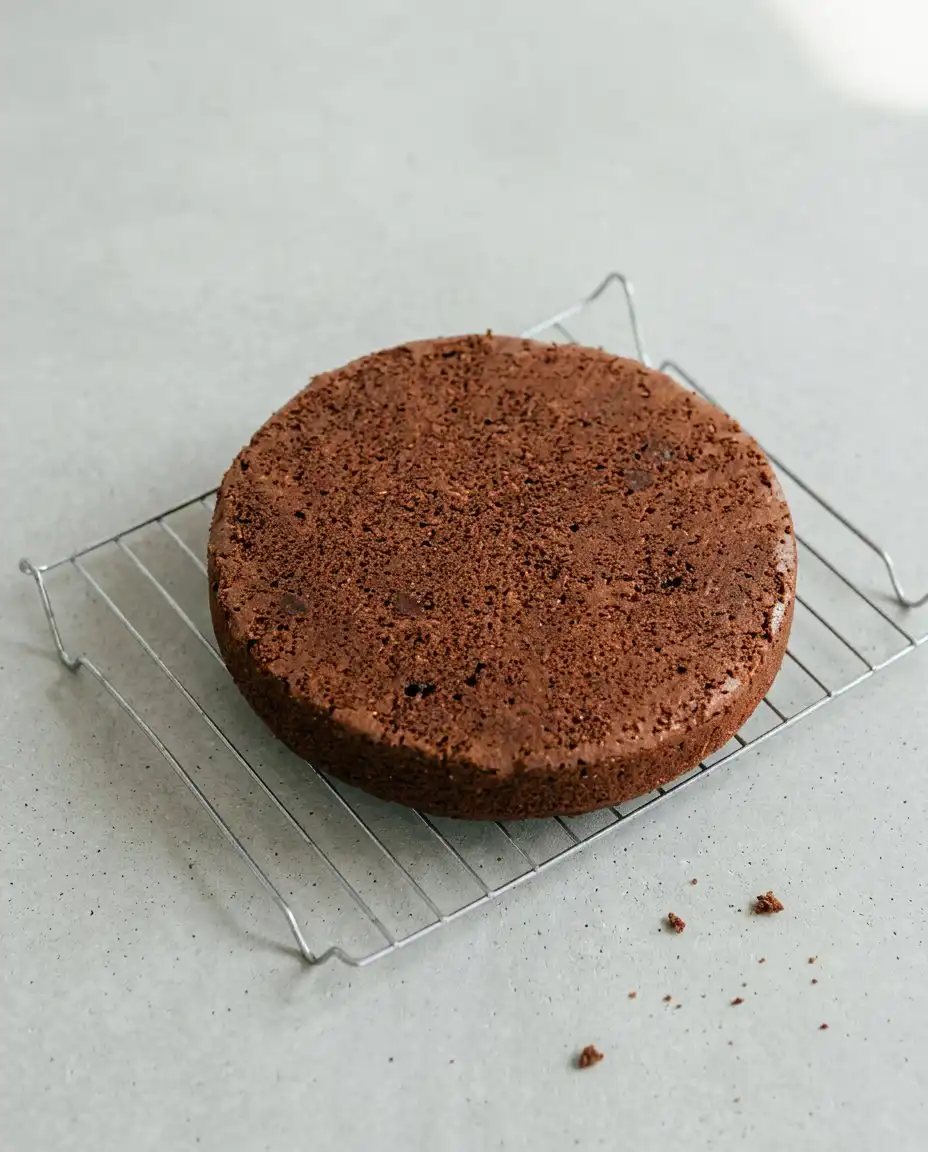
Remove the cake from the oven and place the pan on a wire cooling rack for a minimum of two hours. During this interval, the internal proteins finalize their set and the moisture redistributes itself through the crumb. Patience here is not a virtue — it is an instruction; cutting into a warm zucchini cake will cause the structure to collapse and the texture to feel gummy.
Step 9: Temper the Cream Cheese Frosting
While the cake cools, beat the softened cream cheese and butter until they reach the pale ribbon stage, which indicates maximum aeration. Slowly add the powdered sugar, vanilla, and a pinch of salt, mixing until the frosting is dense yet spreadable. The salt is a non-negotiable addition as it cuts through the cloying sweetness of the sugar and highlights the tang of the cheese.
Step 10: Apply the Final Finish
Spread the frosting over the completely cooled cake using a clean palette knife or a large spoon to create decorative swoops. Aim for an even thickness across the entire surface, ensuring the frosting reaches the very edges of the pan. Once frosted, the cake should be chilled briefly to set the topping before you attempt the final reveal of the cross-section.
Where Precision Makes the Difference
The quality of your vegetable determines the quality of your crumb, so always select medium-sized zucchini which have a lower seed count and more consistent moisture. Larger zucchini often contain woody fibers and excess water that can lead to a swampy interior if not carefully monitored. Understanding the hydration of your ingredients is a cornerstone of these classic dessert recipes and prevents the most common baking failures.
If your cake feels oily or heavy, here is why and how to fix it: the oil and eggs were likely not fully emulsified before the flour was added. To prevent this, ensure your eggs are at room temperature so the fats can bond more effectively during the initial whisking stage. A cold egg will cause the oil to remain in large droplets, which then leak out during the baking process rather than staying trapped within the crumb structure.
Precision in grating is just as important as precision in weighing, so use the small holes of a box grater for the most delicate result. Smaller pieces of zucchini will melt into the batter more effectively than thick shreds, creating a uniform texture that highlights the pecans rather than competing with them. You may find helpful guidance on managing zucchini moisture in cakes to refine your technique even further.
Always toast your pecans in a dry pan over medium heat for three to five minutes before adding them to the batter. This brief application of heat coaxes the natural oils to the surface, significantly deepening the flavor profile of the nut. Allow them to cool completely before folding them in, as hot nuts can prematurely melt the fats in the batter and disrupt the leavening process.
Room temperature is an instruction, not a suggestion, particularly when preparing the cream cheese frosting. If your butter is too firm, the frosting will be lumpy; if it is too soft, the frosting will be soupy and fail to hold its shape. The ingredients should be soft enough to hold a thumbprint but still feel slightly cool to the touch for the most stable result.
When testing for doneness, do not rely solely on the timer as every oven environment differs slightly in airflow and temperature calibration. Use your senses to look for the cake pulling away slightly from the sides of the pan, which indicates the structure is fully set. This visual cue, combined with the toothpick test, ensures you never pull a cake too early or leave it to dry out.
Frequently Asked Questions
Should I peel the zucchini for baking?
There is no technical need to peel the zucchini, as the skin is tender and will soften completely during the baking process. The skin also provides beautiful green flecks that signify the cake’s heritage, though you should ensure the vegetable is washed and dried thoroughly before grating. Peeling is only necessary if the skin is exceptionally thick or bitter, which is rare in garden-fresh specimens.
How do you store zucchini cake?
Because of the cream cheese frosting, this cake must be stored in the refrigerator in an airtight container to maintain food safety. It will remain fresh and moist for up to five days, and many find that the spice flavors actually deepen after twenty-four hours of resting. Always allow individual slices to sit at room temperature for fifteen minutes before serving to soften the fats.
Do I need to drain the zucchini before using it in zucchini cake?
For this specific recipe, you should not drain or squeeze the zucchini as the ratio of flour to liquid depends on that natural moisture. Draining the vegetable will result in a cake that is dry and crumbly rather than tender and soft. If your zucchini seems unusually watery, simply stir it briefly to redistribute the liquid before measuring it by volume.
What does zucchini replace in baking?
Zucchini acts as a functional replacement for a portion of the fat and liquid, providing bulk and moisture without the heaviness of additional oil or butter. It allows the baker to achieve a very soft crumb that stays hydrated for several days. While it does not replace eggs or flour, it significantly alters the final texture by providing a slow-release source of hydration during the bake.
Can I freeze this cake for later use?
You may freeze the unfrosted cake by wrapping it tightly in two layers of plastic wrap followed by a layer of aluminum foil for up to three months. Thaw it slowly in the refrigerator overnight before applying fresh frosting for the best results. Freezing the frosted cake is possible, though the texture of the cream cheese frosting may become slightly grainy upon thawing.
Why is my cake dense instead of light?
Density usually occurs if the flour was overmixed or if the leavening agents were expired. When flour meets liquid, gluten begins to form; excessive stirring creates a tough web that traps the air and prevents a proper rise. Ensure your baking soda and powder are fresh by testing a small amount in vinegar or hot water respectively before you begin your mise en place.
Thoughtful Alternatives
For a different aromatic profile, you may replace the pecans with toasted walnuts or even macadamia nuts for a buttery, tropical undertone. If you prefer a fruitier finish, golden raisins that have been plumped in warm water and dried thoroughly provide a pleasant chew. These adjustments allow you to master fruit and fresh bakes while maintaining the core integrity of the original technique.
You might also consider a citrus-forward variation by adding the finely grated zest of one orange to the sugar and oil mixture. The bright acidity of the citrus oils cuts through the richness of the cream cheese frosting and complements the warmth of the cinnamon. Small changes in aromatics demonstrate how the technique is the recipe, allowing for personal expression without compromising the structural science.
If you require a chocolate version, replace half a cup of the all-purpose flour with high-quality Dutch-processed cocoa powder. This change requires an extra tablespoon of vegetable oil to account for the drying nature of the cocoa solids. This modification produces a cake that tastes like a rich brownie but retains the signature moisture of the original vegetable-based batter.
Presentation and Service
When the time comes to serve your Zucchini Cake with pecans, precision in cutting is paramount for a professional presentation. Use a sharp, thin-bladed knife dipped in hot water and wiped dry between each cut to ensure clean, vertical edges. This technique reveals the beautiful internal suspension of pecans and the delicate, moist crumb that your careful work has produced.
This cake is best served alongside a cup of strong, dark-roast coffee or a delicate black tea that can stand up to the warm spices. For a more formal gathering, consider individual portions plated with a small quenelle of lightly sweetened whipped cream and a few extra toasted pecans on the side. You can find more celebration cake ideas that benefit from this level of attention to detail on our dedicated guides.
Temperature is the final instruction for service; while the cake must be stored cold, the flavor is most vibrant at cool room temperature. Removing the cake from the refrigerator thirty minutes before your guests arrive ensures the frosting is creamy and the spice notes are fully expressive. This small interval of waiting allows the fats in the crumb to soften just enough to melt on the palate.
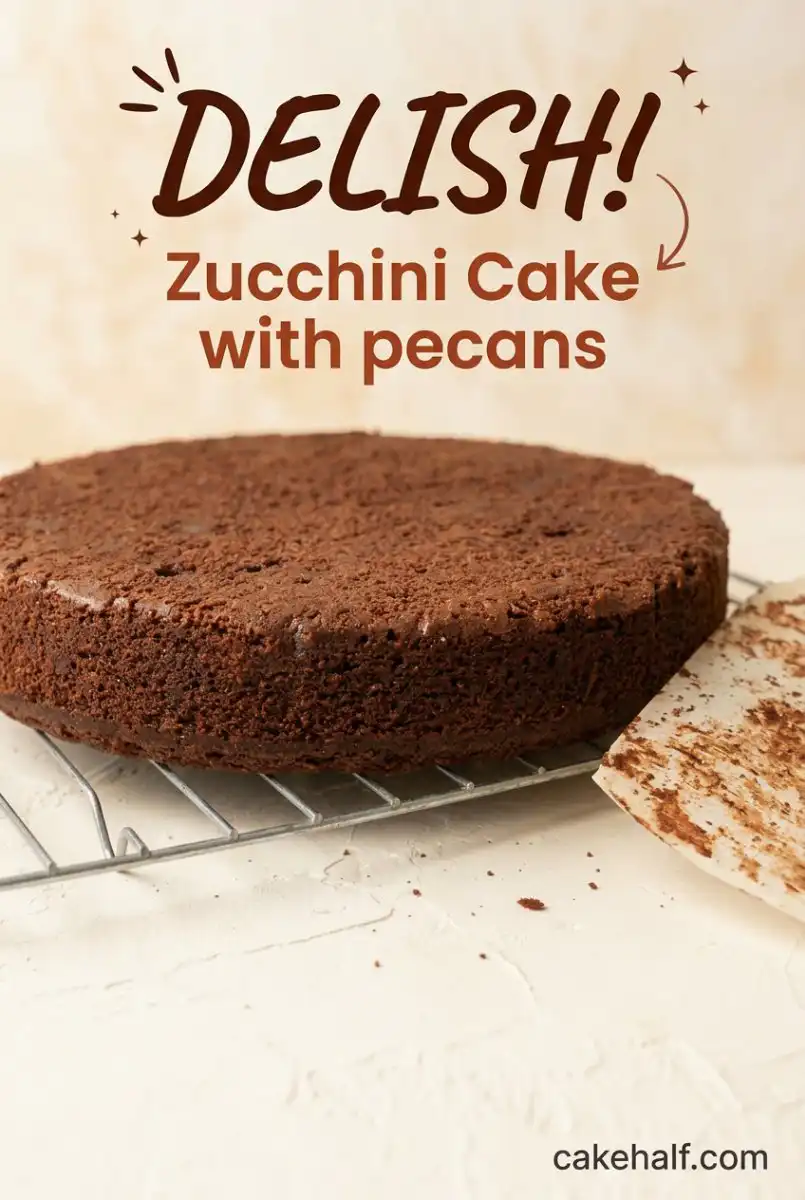
The Result of Your Care
By following these disciplined steps, you have transformed humble garden ingredients into a refined pastry that honors the traditions of French technique. The Zucchini Cake with pecans is more than a simple snack; it is a testament to the fact that precision is not a constraint, but the freedom to repeat success. You should feel a sense of pride as you reveal the clean, dry crumb and the toasted aroma of a bake done exactly right. The patience you showed during the cooling process has been rewarded with a texture that is both stable and incredibly tender.
We invite you to share your results and continue refining your skills with our other chocolate indulgence recipes that demand the same level of care. Baking is a journey of small improvements, and every cake you pull from the oven is an opportunity to practice the patisserie apprentice’s first lesson. Please join our community of dedicated bakers on social media to share your progress and see what others are creating in their own kitchens.