The sound of a box grater shredding emerald zucchini into moist ribbons signifies that your kitchen is about to become a laboratory for textures and bright citrus aromatics.

Most bakers hide vegetables in cake as a trick, but we use them as a structural advantage in this Zucchini cake with lemon glaze. Small-batch logic teaches us that moisture does not have to come at the expense of density or crumb strength. You are building a sponge that balances the earthy depth of toasted nuts with a crystalline lemon finish that bites back. This specific zucchini cake recipe demands precision but rewards you with a crumb that remains tender for days.
The Case for This Zucchini Cake with Lemon Glaze
Prep: 20 min · Serves: 12 · Difficulty: Medium
- Zucchini provides structural moisture without adding weight.
- Toasted nuts offer a sophisticated savory depth.
- Olive oil ensures a silky and tender crumb.
- The lemon glaze creates a sharp textural contrast.
- Small batch logic maximizes flavor in every bite.
This is the recipe that proves precision and garden greens belong in the same pan. I often find that using a lemon cake base as a reference point helps bakers understand how the acidity of the glaze cuts through the richness of the olive oil and zucchini.
Get The Full Cake Recipe
Print
Zucchini Cake with Lemon Glaze
- Total Time: 1 hour 10 mins
- Yield: 12 servings
Description
This refined zucchini cake offers a perfect balance of earthy nuttiness and bright, citrus-forward sweetness. Featuring a tender, olive oil-based crumb and a crisp, crystalline lemon glaze, this recipe proves that garden vegetables are the secret to superior moisture and texture in baking.
Ingredients
- 280g all-purpose flour
- 1 tsp baking powder
- 1/2 tsp baking soda
- 1/2 tsp salt
- 1 tsp ground cinnamon
- 1/2 tsp ground ginger
- 1/4 tsp ground nutmeg
- 3 large eggs
- 200g granulated sugar
- 180ml extra-virgin olive oil
- 1 tsp vanilla extract
- 2 cups finely shredded zucchini, unpeeled
- 100g toasted walnuts or almonds, finely chopped
- For the glaze: 1/4 cup fresh lemon juice, 1/2 cup granulated sugar, 1/2 cup powdered sugar
Instructions
- Preheat the oven. Heat to 350ºF (180ºC) and prepare a 10-cup Bundt or tube pan with grease and a light dusting of flour.
- Toast the nuts. Roast the walnuts or almonds on a baking sheet until aromatic, then pulse in a food processor until finely chopped.
- Sift dry ingredients. Whisk together the flour, baking powder, baking soda, salt, cinnamon, ginger, and nutmeg in a medium bowl to remove lumps.
- Emulsify base ingredients. Beat the eggs, sugar, and olive oil in a stand mixer for three minutes until light and fluffy, then stir in the vanilla.
- Combine the batter. Incorporate the dry ingredients into the wet mixture on a low speed, mixing just until combined before beating for 30 seconds.
- Fold in extras. Fold the shredded zucchini and chopped nuts into the batter by hand until evenly distributed.
- Bake the cake. Pour the mixture into the prepared pan and bake for 45 to 50 minutes until a toothpick inserted into the center comes out clean.
- Whisk the glaze. Combine lemon juice, granulated sugar, and powdered sugar in a small bowl while the cake finishes baking.
- Invert and finish. Rest the cake in the pan for 15 minutes, invert onto a cooling rack, and brush the warm cake with the prepared lemon glaze.
Notes
- Use a standard box grater for the zucchini to maintain structural integrity in the batter.
- Do not remove the moisture from the shredded zucchini, as it is essential for the cake texture.
- Wait at least twenty minutes for the glaze to properly set and develop its signature crunch.
- Measure your flour by weight rather than volume to ensure a lighter, more consistent crumb.
- Substitute neutral oil for olive oil if you prefer a less fruity flavor profile.
- Prep Time: 20 mins
- Cook Time: 50 mins
- Category: Dessert
- Method: Baking
- Cuisine: Modern American
The Lineup
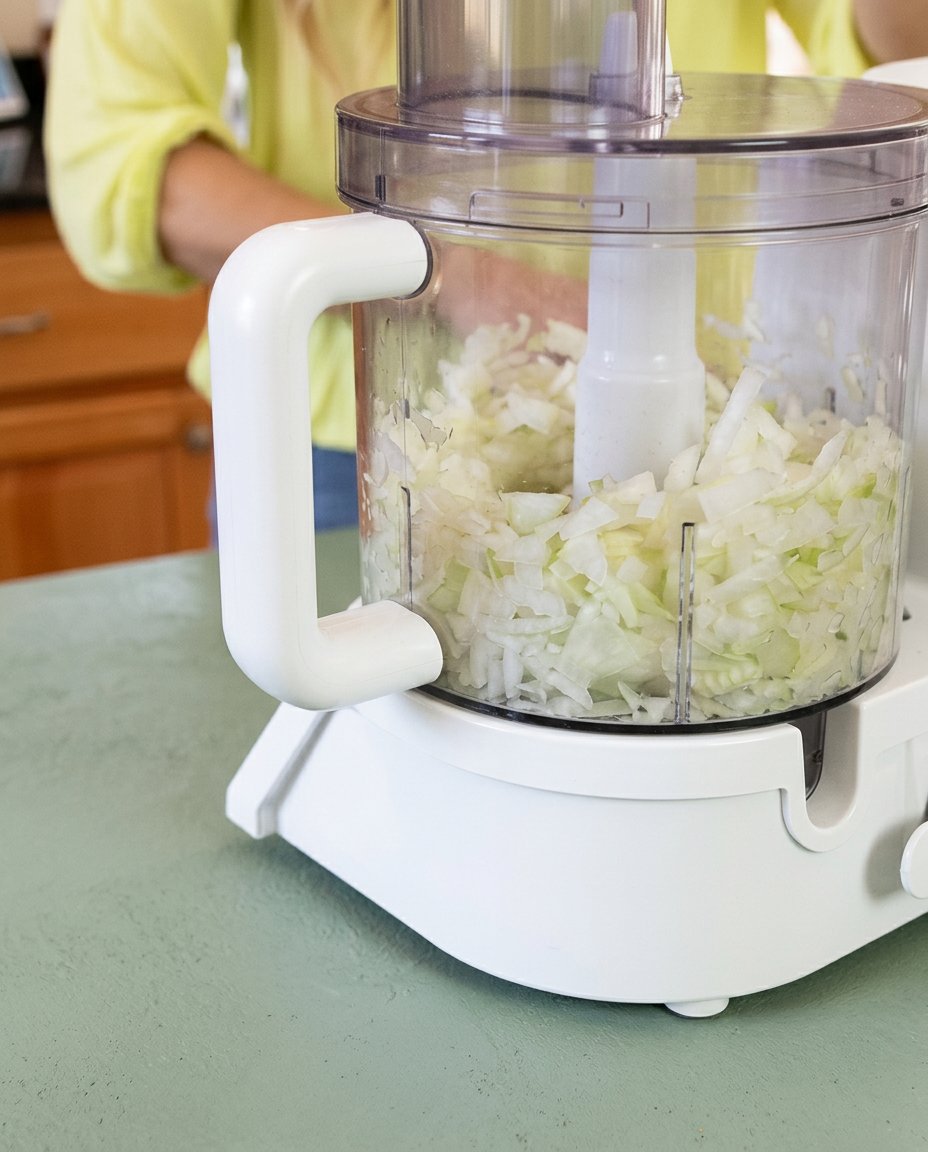
Success in the kitchen starts with understanding how your materials interact on a molecular level. This Zucchini cake with lemon glaze relies on the moisture content of the squash and the high fat-to-protein ratio of the nuts to create its signature mouthfeel. Gather your components and use a kitchen scale for the most accurate results.
- Grated Zucchini: Provide the essential hydration that keeps the sponge soft and flexible.
- Extra-Virgin Olive Oil: Adds a fruity, peppery note while ensuring the cake stays moist at room temperature.
- Toasted Nuts: Supply a necessary crunch and an earthy backbone that grounds the bright citrus notes.
- Warm Spices: Cinnamon, ginger, and nutmeg create a bridge between the garden vegetable and the dessert profile.
- Fresh Lemon Juice: Acts as the high-acid counterpoint to the sugary, crystalline glaze that crowns the cake.
| Ingredient | Why It Matters |
|---|---|
| Zucchini | Provides cellular moisture for a tender crumb |
| Olive Oil | Creates a silky texture better than butter |
| Toasted Walnuts | Adds depth through the Maillard reaction |
| Lemon Juice | Breaks the sweetness with sharp acidity |
| Eggs | Emulsifies the oil and sugar for structure |
The Method
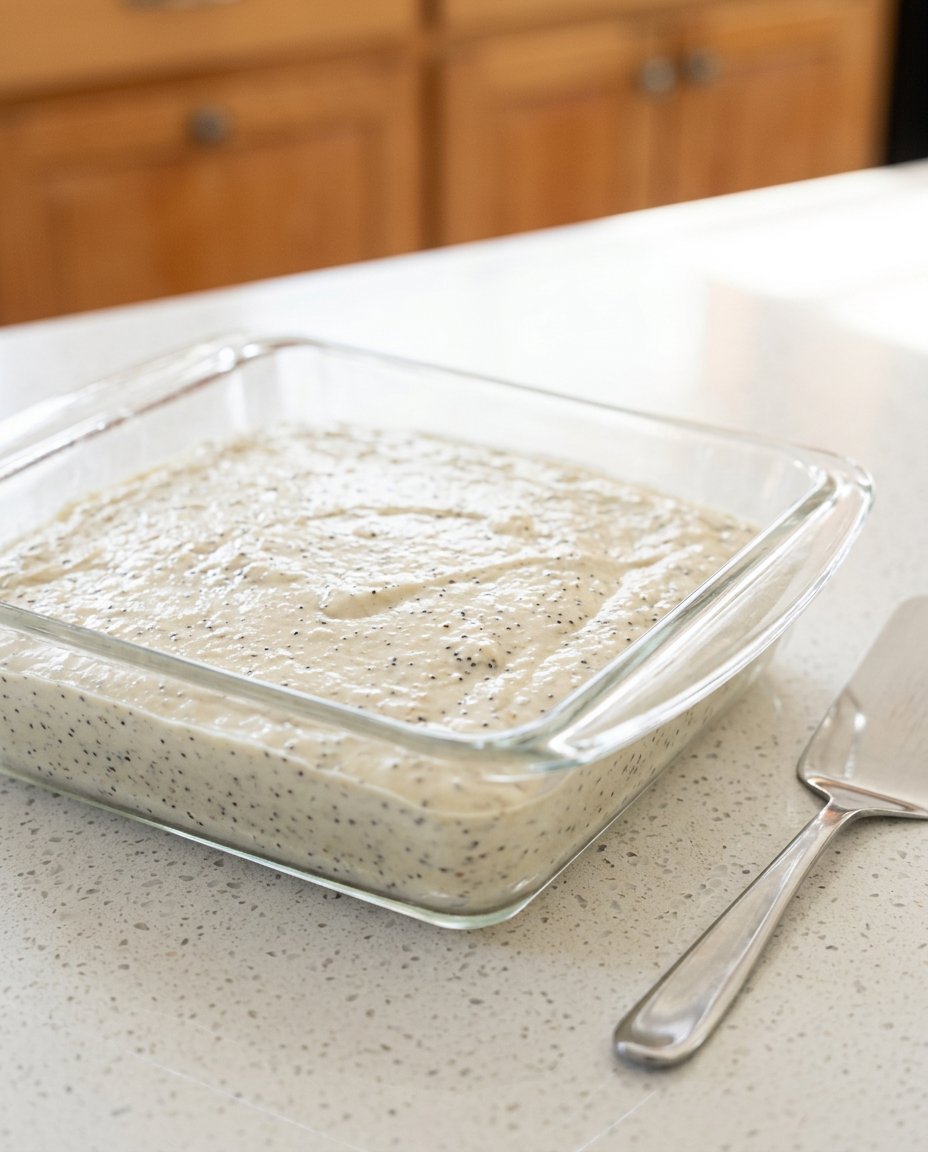
Step 1: Prep Your Pans and Oven
Heat your oven to 350ºF (180ºC) to ensure the leaveners activate the moment the batter hits the heat. Grease a 10-cup Bundt or tube pan with non-stick spray or butter, then dust it with flour and tap out the excess until only a thin, even veil remains. This preparation is the insurance policy that guarantees your cake will release cleanly after baking.
Step 2: Toast and Chop the Nuts
Place your almonds or walnuts on a baking sheet and toast them until they smell like toasted hazelnuts and turn a shade darker. Once cool, pulse them in a food processor until they are finely chopped but not yet turning into a paste or meal. These small, irregular pieces will provide a rhythmic crunch throughout the soft sponge.
Step 3: Sift the Dry Ingredients
In a medium bowl, sift together the flour, baking powder, baking soda, salt, cinnamon, ginger, and nutmeg to remove lumps and aerate the mixture. Sifting ensures that the spices are distributed evenly, preventing any single bite from being overwhelmed by a pocket of nutmeg or ginger. Set this bowl aside while you focus on the wet emulsion.
Step 4: Emulsify Eggs and Oil
In the bowl of a stand mixer fitted with the paddle attachment, beat the eggs, sugar, and olive oil for three minutes on medium speed until the mixture is light and fluffy. You are looking for a pale yellow color and a texture that has thickened significantly as the sugar dissolves into the fats. Scrape down the sides of the mixer bowl and add the vanilla extract to finish the base.
Step 5: Combine the Foundations
Turn the mixer to its lowest setting and add the dry ingredients, mixing until just barely combined to avoid developing too much gluten. Scrape the sides again to catch any stray flour, then beat on medium speed for exactly 30 seconds to lock in the structure. The batter should look glossy and smell strongly of warm spices and toasted nuts.
Step 6: Bake the Zucchini Cake with Lemon Glaze
Fold in the shredded zucchini and toasted nuts by hand until they are evenly distributed through the thick batter. Pour the mixture into your prepared pan and bake for 45 to 50 minutes until a toothpick inserted into the center comes out clean. The cake should begin to pull away from the sides of the pan, indicating that the internal structure is set and ready to cool.
Step 7: Whisk the Crunchy Glaze
While the cake spends its final minutes in the oven, whisk together the lemon juice, granulated sugar, and powdered sugar in a small bowl. This mixture will appear thin but will harden into a crackly, translucent shell as it cools on the surface of the warm cake. The dual-sugar approach provides both the body of the powdered sugar and the grit of the granulated crystals.
Step 8: Invert and Finish
Let the cake rest in the pan for 15 minutes before placing a cooling rack over the top and flipping the whole assembly over in one swift motion. Lift the pan away to reveal the steaming cake, then immediately brush the glaze over the top using a pastry brush. The heat from the cake will draw the lemon flavor deep into the crumb while the sugar sets on the exterior.
Notes from Testing
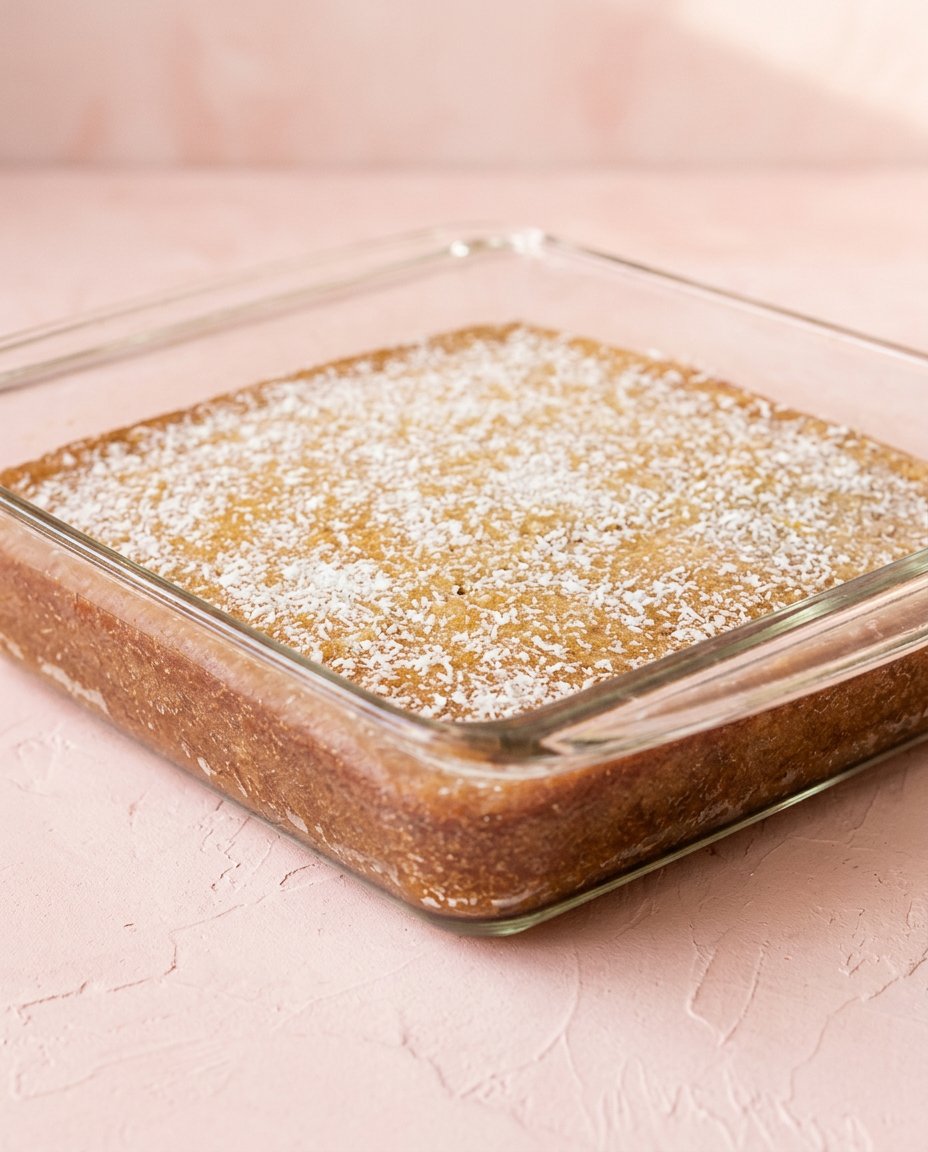
Small batch, full conviction. To get the best results, always grate your zucchini on the medium holes of a box grater so the pieces are large enough to hold moisture but small enough to disappear into the crumb. Do not squeeze the water out of the zucchini; that liquid is factored into the recipe and is vital for the final texture. If you find your cake feels dry, you likely over-squeezed your vegetables or over-baked the sponge by more than five minutes.
If your cake sticks to the pan despite greasing, here is why and how to fix it. This often happens if the sugar in the batter caramelizes too deeply against the metal or if the pan has hidden scratches that catch the batter. To fix this in the future, use a paste of equal parts flour, oil, and shortening to coat the pan, which creates a more reliable release than spray alone. For more on citrus-forward finishes, check out my notes on the lemon drizzle cake for technical glaze advice.
Precision with your kitchen scale is a liberation device. Measuring flour by weight rather than volume prevents the common error of packing the cup too tightly, which leads to a dense and rubbery cake. I recommend using 280 grams of flour for this specific build to ensure the vegetable-to-flour ratio remains balanced for a perfect lift in the oven.
Browning your nuts before adding them to the batter is a non-negotiable step for flavor depth. The heat transforms the raw fats into aromatic compounds that bridge the gap between the savory zucchini and the sweet glaze. If you skip this, the nuts will taste soggy and flat inside the finished cake rather than providing a sophisticated contrast.
Wait for the sensory checkpoint of the glaze setting before you try to move the cake to a serving platter. The glaze needs about twenty minutes to transition from a liquid state to a firm, crackly shell. If you move it too soon, the glaze will run off the sides and pool at the bottom, ruining the visual drama of the finished piece.
Frequently Asked Questions
Can I freeze this zucchini cake?
Yes, you can freeze the unglazed cake for up to three months if wrapped tightly in plastic wrap and foil. To serve, defrost the cake at room temperature and warm it slightly in the oven before applying a fresh batch of lemon glaze. The glaze does not freeze well, as the sugar crystals tend to break down and become sticky upon thawing.
Do I need to peel the zucchini before grating?
There is no need to peel the zucchini, as the skin is thin and becomes tender during the baking process. The dark green flecks also add a beautiful visual element to the cross-section of the cake. Just be sure to wash the exterior thoroughly to remove any grit or dirt from the garden before you start shredding.
What happens if I use a different type of oil?
The recipe is quite flexible and will work with vegetable, canola, or even melted coconut oil. Olive oil provides the most sophisticated flavor profile and a superior moistness that lasts for several days. If you use butter, the cake will be richer but may feel firmer when cold due to the saturated fats solidifying at room temperature.
Why did my cake sink in the middle?
A cake that sinks in the middle usually suffered from under-baking or too much leavening agent. Ensure your baking powder and soda are fresh and that you bake the cake until a toothpick comes out completely clean. Opening the oven door too frequently during the first thirty minutes can also cause a temperature drop that collapses the fragile internal structure.
Can I use yellow squash instead of zucchini?
Yellow summer squash is a perfectly acceptable rebel swap for zucchini as they have a similar water content and texture. The flavor will be slightly milder, and you will lose the green flecks in the crumb, but the technical performance of the batter will remain the same. Ensure you grate it to the same consistency for even distribution.
How should I store leftovers?
Keep the cake under a cake dome or wrapped in plastic at room temperature for up to three days. The zucchini keeps the sponge exceptionally moist, so there is no need to refrigerate it, which can actually dry out the crumb. If your kitchen is particularly warm, you can store it in the fridge, but let it come to room temperature before slicing.
Rebel Swaps
Traditional baking rules are a starting point, not a contract. You can replace the olive oil with a neutral vegetable oil if you prefer a cleaner flavor profile that lets the lemon shine, or even try browned butter for a nuttier finish. If you want to lean into the citrus notes, consider adding a tablespoon of lemon zest directly into the sugar when beating it with the oil to release more essential oils. For those who enjoy a more traditional texture, looking at a lemon pound cake can provide ideas for adjusting the crumb density.
If you find yourself without a Bundt pan, this recipe adapts well to two standard loaf pans or even a simple round cake pan. You will need to monitor the baking time closely, as smaller pans will cook through faster than the large thermal mass of a tube pan. You can also look at this lemon zucchini cake recipe for inspiration on how different pan shapes affect the final moisture distribution of the vegetable sponge.
The Final Call
Presentation is where the baker’s judgment becomes visible to the guest. I prefer to serve thick slices of this cake on their own to let the crunchy glaze and moist crumb take center stage. If you want to add a layer of decadence, a dollop of unsweetened whipped cream or a scoop of high-quality vanilla ice cream provides a cool contrast to the warm spices. For a more formal presentation, a side of cherry compote or a drizzle of honey can bridge the gap between the earthy zucchini and the bright lemon.
If you find yourself craving a different texture, you might consider how a lemon poppy seed cake uses crunch to its advantage. This zucchini version relies on the nuts for that same rhythmic interruption in the soft sponge. Always slice the cake with a sharp serrated knife to ensure you cut through the glaze and the zucchini fibers without crushing the delicate internal structure of the crumb.
What You Just Proved
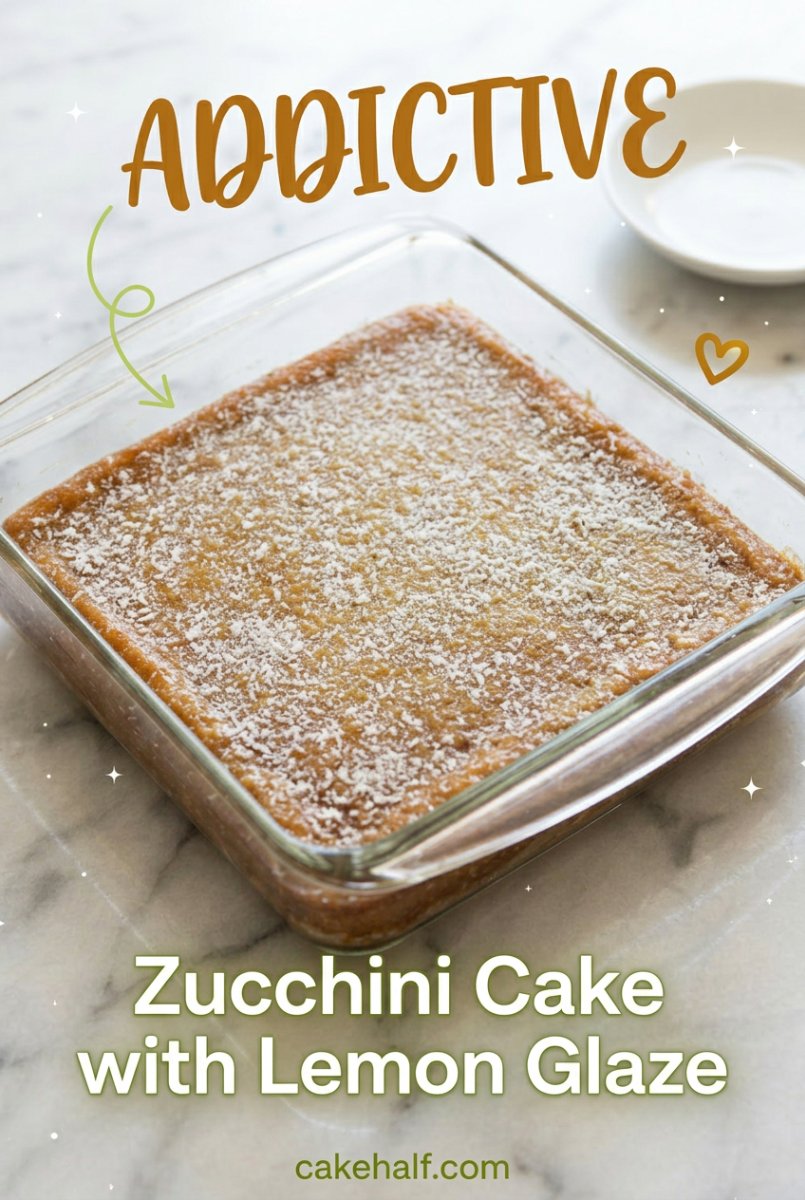
Baking this Zucchini cake with lemon glaze is a testament to the idea that ingredients should be chosen for their function, not just their reputation. You have taken a garden staple and transformed it into a sophisticated dessert that refuses to play by the rules of standard sponge cakes. Make less. Mean more. This small-batch approach ensures that every slice is a deliberate choice, full of texture and the bright, rebellious spirit of lemon.
Tradition noted. Proceeding anyway. If you enjoyed the tension between citrus and density here, you should try my lemon cheesecake for a completely different take on the lemon profile. Share your results with the community and let us know which rebel swaps worked best in your kitchen.