Baking in a focused 9×11 pan guarantees that every square inch of batter is intimately kissed by caramelized peach syrup, a structural impossibility in massive, deep-pan bakery sheets.

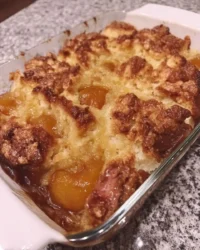
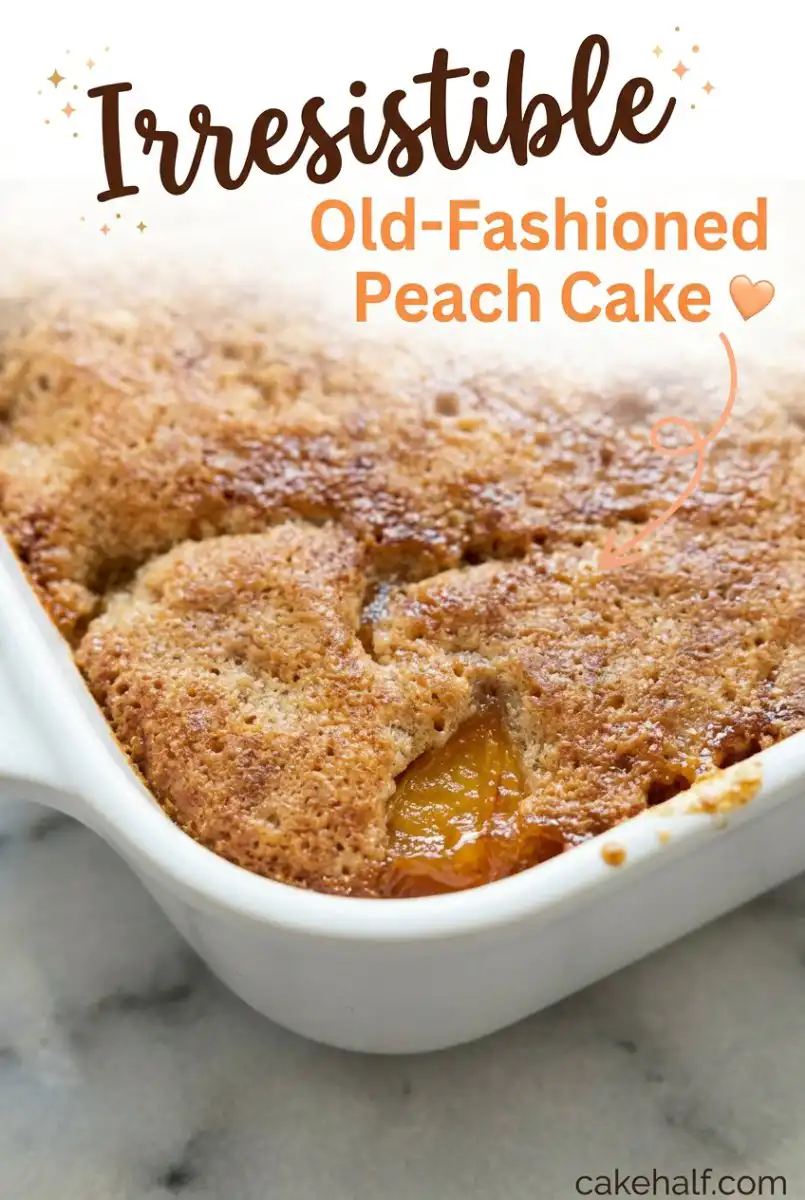
This Old-Fashioned Peach Cake is the ultimate proof that you do not need a multi-tiered monstrosity to create visual drama and flavor depth. By melting the butter directly in your pan and layering the liquid batter before dropping the spiced, caramelized peaches over the top, you create an upside-down miracle that rises to form a beautifully craggy crust. It is a sensory journey that starts with the rich scent of toasted butter and ends with the sharp, bright contrast of fresh lemon zest cutting through caramelized sweetness.
Standard cobblers often turn into soggy, single-note mush because the fruit is boiled to death without structural support. Our method guarantees a distinct crust with structural integrity, offering a caramelized chew that balances the jammy softness of the peaches. By letting the batter bake up through the fruit, we construct a textured masterpiece that defies modern, overly refined cake conventions.
We treat this recipe as a precise experiment in thermodynamic layering, where the density of the fruit and the buoyancy of the baking powder execute a flawless exchange of positions in the oven heat. This is small batch, full conviction baking at its finest. Let us turn on the oven and watch the chemistry unfold.
What Makes This Old-Fashioned Peach Cake Different
Prep: 20 min · Serves: 8 · Difficulty: Medium
- Craggy caramelized edges that deliver satisfying chew.
- Warm cinnamon and nutmeg that deepen every bite.
- Melted butter base provides effortless, rich caramelization.
- Fast preparation time leaves room for spontaneous baking.
- Beautiful balance of sweet fruit and rich pastry.
This is the bake that turns a quiet afternoon into a legendary kitchen triumph.
We do not settle for boring, soggy sheet cakes that taste like sweet cardboard. This recipe is a massive upgrade over a standard peach cake, giving you those buttery, crispy edges that standard cake pans cannot deliver. You deserve a dessert that challenges your palate with texture, salt, acid, and spice.
Get The Full Cake Recipe
Print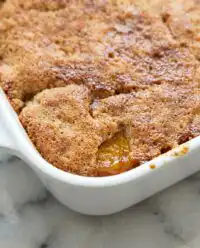
Old-Fashioned Peach Cake
- Total Time: 1 hour 25 mins
- Yield: 8 servings
- Diet: Vegetarian
Description
This rustic cake features a unique baking method where batter is poured over browned butter and topped with simmered, spiced peaches. The result is a beautifully craggy, caramelized crust that balances deep, warm fruit flavors with a perfectly tender crumb.
Ingredients
- 1 cup unsalted butter
- 1 1/2 cups all-purpose flour
- 1 cup white sugar
- 2 teaspoons baking powder
- 1/2 teaspoon salt
- 1 cup whole milk
- 1 teaspoon cinnamon
- 1/2 teaspoon nutmeg
- 2 cans (15 oz each) peaches in syrup
- 1/2 cup brown sugar
- 1 teaspoon lemon zest
Instructions
- Melt the butter. Place the butter in a 9×11 casserole dish and heat in a 375°F oven until golden and fragrant.
- Whisk the batter. Combine flour, white sugar, baking powder, salt, and spices in a bowl, then stir in milk until just combined.
- Layer the base. Pour the thick batter evenly over the hot, melted butter in the casserole dish without stirring.
- Simmer the peaches. Heat peaches with syrup, sugars, spices, and lemon zest in a saucepan until the liquid thickens into a glaze.
- Distribute the fruit. Spoon the thickened peach mixture over the batter layer, allowing the fruit to sink in naturally.
- Bake the cake. Bake at 375°F for 40 to 50 minutes until the cake is golden-brown and a toothpick comes out clean.
- Cool and set. Remove from the oven and let rest on a wire rack for 15 minutes to allow the fruit syrup and cake structure to stabilize.
Notes
- Measure your flour by weight using a kitchen scale to ensure the perfect crumb density.
- Watch the butter closely in the oven to achieve a toasted hazelnut aroma without burning it.
- Ensure the peach syrup is thickened sufficiently before layering to prevent a soggy cake base.
- Allow the finished cake to rest for the full fifteen minutes to guarantee easy slicing and clean scoops.
- Prep Time: 20 mins
- Cook Time: 50 mins
- Category: Dessert
- Method: Baking
- Cuisine: American
Build Your Mise en Place
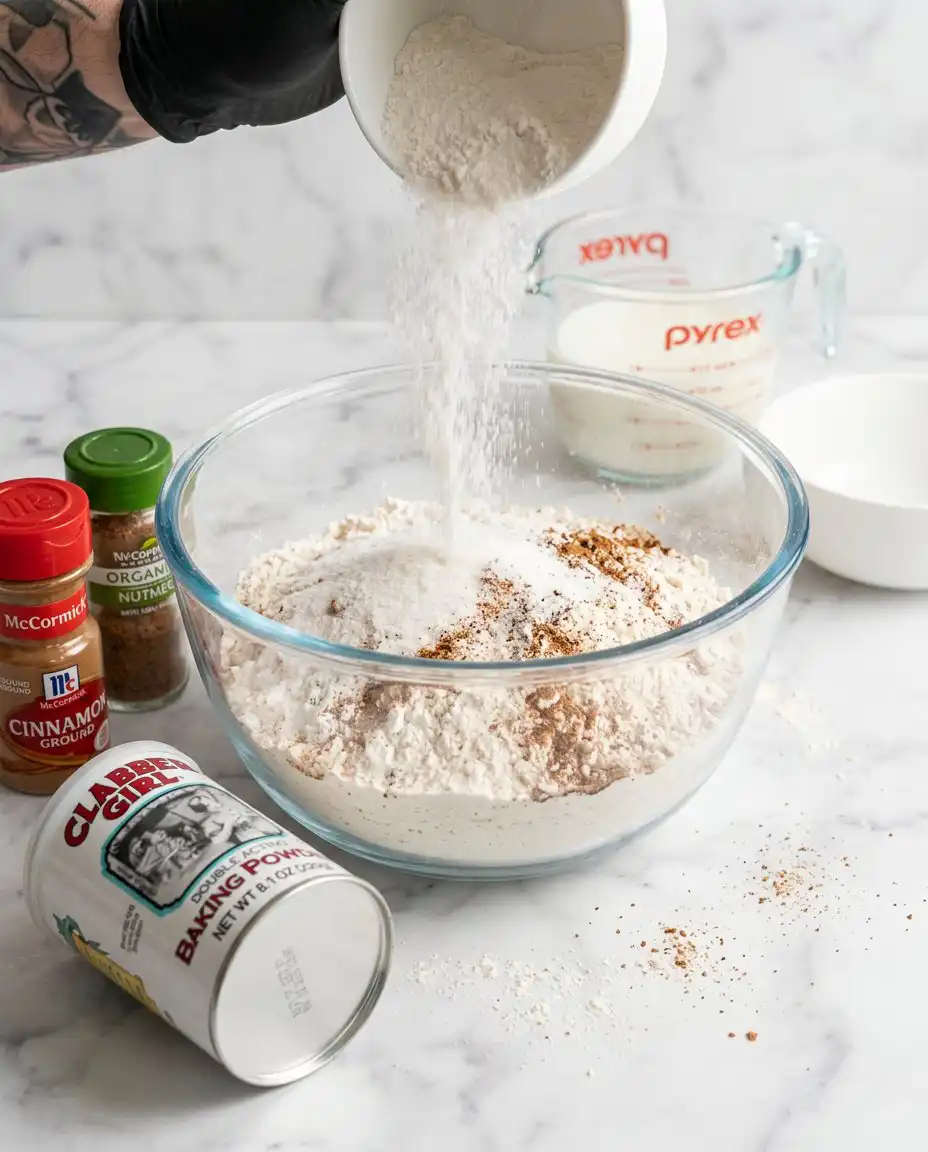
Before we turn on the oven, let us organize our ingredients like seasoned professionals. The success of this cake relies on the precise chemical interplay between the leaveners, the rich fats, and the natural moisture of the fruit. Taking five minutes to scale out your components eliminates mistakes before they can even start, letting you focus on the sensory cues of the bake.
- Peaches in Syrup: These provide consistent moisture and deep sweetness, acting as the structural and flavor foundation of our warm fruit layer.
- Unsalted Butter: We melt this in the baking dish to create a sizzling foundation that browns slightly during baking, releasing toasted, nutty aromas.
- Baking Powder: The heavy lifting agent that forces the batter to swell and climb around the heavy peach slices as they bake.
- Brown Sugar: Adding molasses-rich brown sugar alongside the white sugar injects deep caramel undertones that perfectly complement the natural fruit acids.
- Lemon Zest: This tiny inclusion provides essential citric acid that cuts through the intense sweetness, keeping the flavor profile beautifully balanced.
- Nutmeg and Cinnamon: Spices that ground the bright fruit notes with their earthy, aromatic warmth, turning a simple cake into a comforting masterpiece.
| Ingredient | Why It Matters |
|---|---|
| Peaches in Syrup | Keeps the cake moist and adds consistent, predictable sweetness. |
| Butter | Creates the crispy, caramelized edges and deepens the overall richness. |
| Baking Powder | Drives the batter to rise up and envelope the fruit. |
| Lemon Zest | Cuts the heavy sugar profile with sharp, necessary acidity. |
| Brown Sugar | Delivers molasses depth for a complex, dark caramel profile. |
Let’s Bake
Step 1: Melt the Butter Foundation
Place your unsalted butter directly into your 9×11 casserole dish and pop it into the preheating oven at 375 degrees Fahrenheit. Watch this closely; we are looking for the moment the butter melts, foams, and begins to turn a light golden hue. Pull it out the second it stops bubbling to prevent burning. This molten lake is the crucial barrier that prevents the batter from sticking while guaranteeing crispy edges.
Step 2: Whisk the Dry Components and Milk
In your medium bowl, combine the flour, white sugar, baking powder, salt, and spices. Pour in the milk and whisk with steady, confident strokes until the mixture is cohesive but still shows tiny, safe lumps of flour. We do not want to overwork the gluten here, or we risk a tough, bread-like texture. When you lift the whisk, the batter should fall back into the bowl in a slow, thick ribbon that holds its shape.
Step 3: Layer the Batter Base
Pour your thick batter directly over the hot, melted butter in the casserole dish. Do not stir these two components together under any circumstances. You want the batter to sit on top of the butter like a raft on water, allowing the fat to pool around the edges. Use a flexible silicone spatula to gently slide the batter into an even layer, stretching it toward the corners of the dish.
Step 4: Simmer the Spiced Peaches for Your Old-Fashioned Peach Cake
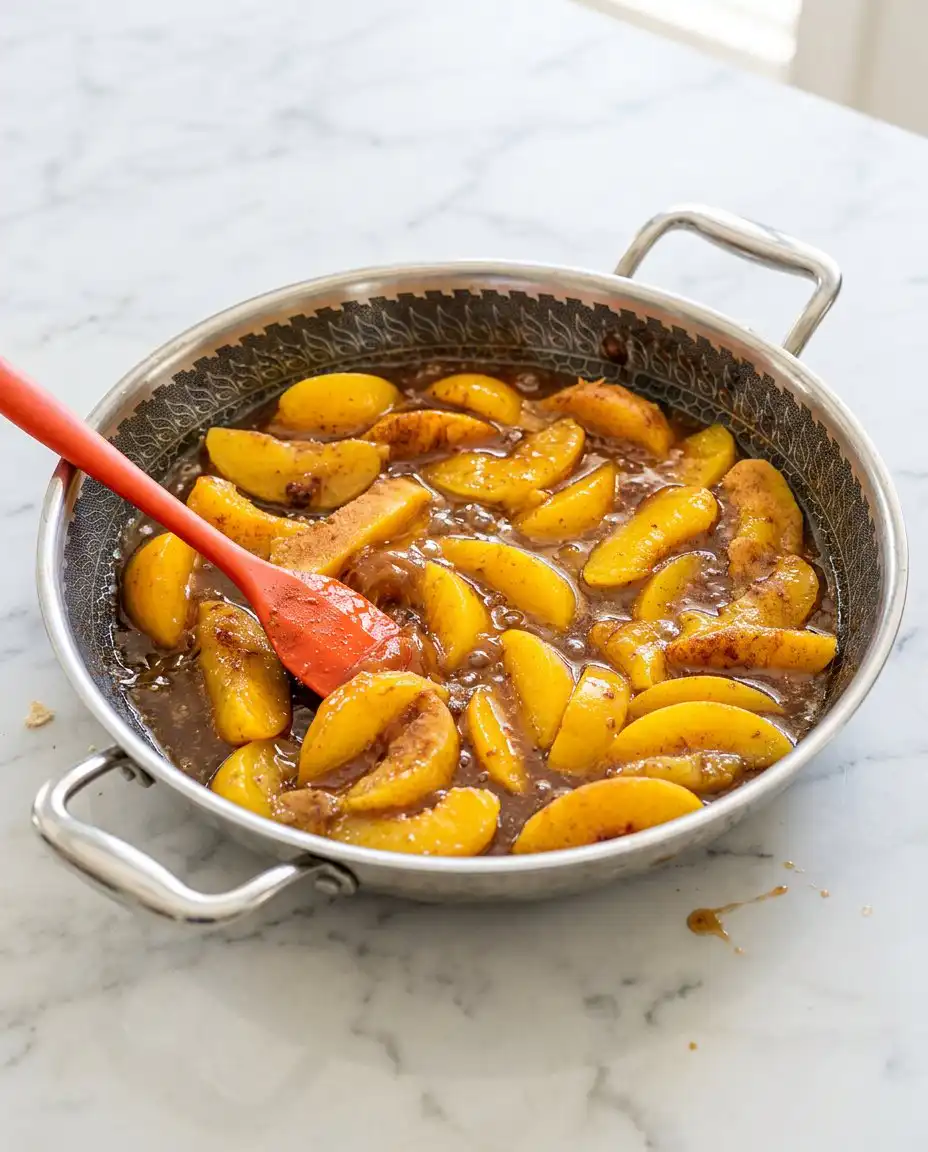
In a separate saucepan over medium heat, combine your canned peaches along with their syrup, brown sugar, white sugar, cinnamon, nutmeg, a pinch of salt, and fresh lemon zest. Bring the mixture to a lively simmer, stirring occasionally, until the syrup thickens and wraps around the peaches like warm glaze. This should take about ten to fifteen minutes, concentrating the natural peach flavors to prevent a soggy cake.
Step 5: Distribute the Caramelized Fruit
Spoon the hot, thickened peach mixture directly onto the batter layer. Do not stir the dish; let the heavy fruit and its syrup rest comfortably on top of the batter base. The weight of the peaches will push sections of the batter downward, while other parts will swell upward during baking. This uneven distribution is exactly what creates those sought-after pockets of cake and fruit.
Step 6: Bake to Golden Perfection
Slide the assembled dish onto the middle rack of your preheated oven and bake at 375 degrees Fahrenheit for forty to fifty minutes. Keep an eye on the oven window during the last ten minutes of baking. You will see the batter rise from the bottom, climbing over the peaches to form a craggy, golden-brown crust. Test the cake portion with a toothpick; it should come out clean.
Step 7: Cool and Let the Fillings Set
Remove the hot dish from the oven and place it on a wire cooling rack. The fruit filling will still be bubbling actively, and the cake portion will appear slightly puffed. Allow it to sit undisturbed for fifteen minutes, which lets the starches in the fruit syrup gel together and the cake structure stabilize. This resting period is critical for achieving clean, clean-scooping portions that do not fall apart on the plate.
The Details That Matter
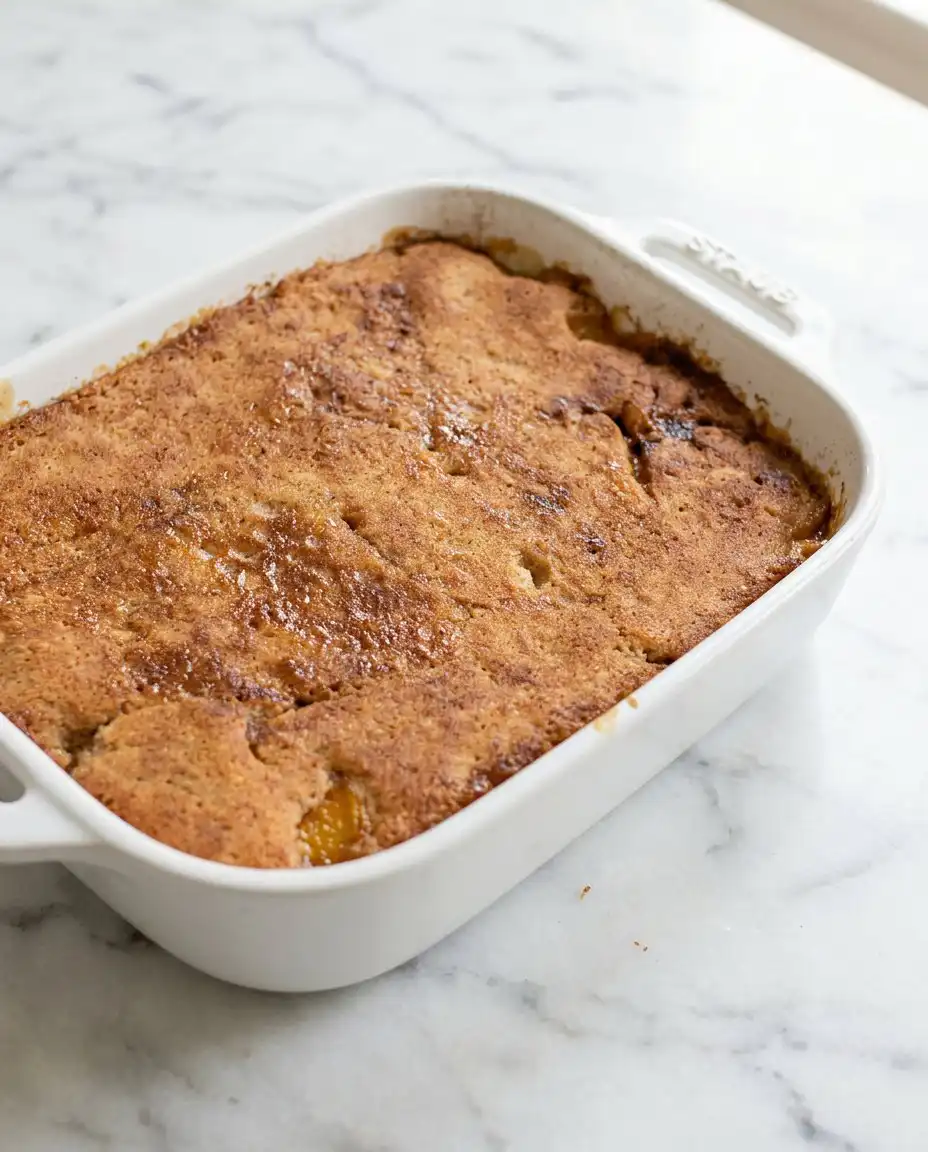
To achieve a deeper flavor profile, treat the butter melting stage as a sensory benchmark rather than a chores list. Letting the butter brown slightly until it smells like toasted hazelnuts adds a layer of toasted richness that standard bakes lack. If you want a different structural style, you can compare this texture to a classic peach upside down cake, which relies on a more traditional cake crumb rather than a cobbler-hybrid crust.
If your cake turns out soggy or dense, here is why and how to fix it. This issue usually occurs because the peach syrup was not simmered long enough to evaporate excess water, or the oven temperature was slightly too low, preventing the batter from rising quickly. Next time, confirm the fruit syrup is thick enough to coat the back of a spoon before layering, and use an independent oven thermometer to verify your actual baking temperature.
Avoid overmixing your dry and wet ingredients when preparing the batter. Overworking the flour activates the gluten network too aggressively, converting what should be a tender crumb into a rubbery texture. Whisk only until the flour patches disappear, leaving a few tiny lumps in place; those will dissolve naturally in the oven.
For the best results, use a kitchen scale to measure your flour and sugar rather than relying on dry measuring cups. Scooping flour directly with a cup packs the grains tightly, which can add up to twenty percent more flour to your batter and dry out the cake. Precision is the ultimate key to achieving pastry-chef results in your home kitchen.
If you want to master the art of boiling fruit toppings to the right consistency, you can learn how to prepare a perfectly thickened warm spiced peaches mixture that won’t make your batter soggy. This external guide provides excellent visual cues for knowing when your syrup has reached the ideal viscosity before it meets the batter.
Let the cake cool for fifteen minutes before serving. When the cake first emerges from the oven, the fruit filling is extremely hot and runny, but as it rests, the sugars gel together, creating a beautiful scoopable texture that holds its shape on the plate.
Frequently Asked Questions
Can I use fresh peaches instead of canned?
Yes, you can use fresh peaches for this recipe. You will need to peel and slice about six to eight medium-sized peaches and toss them with sugar to draw out their natural juices. Simmer these juices with the fruit and spices for a few extra minutes to achieve the same rich, thick syrup that canned peaches provide.
How do I store leftovers to keep the crust from getting soggy?
Store any leftover cake in an airtight container in the refrigerator for up to four days. To keep the crust from becoming overly soggy, avoid sealing the container while the cake is still warm. When you are ready to eat, reheat individual portions in the oven or toaster oven at 350 degrees Fahrenheit for ten minutes to restore the crispy edges.
Can I freeze this peach cake after baking?
Yes, this cake freezes well. Allow the baked dish to cool completely to room temperature, then wrap it securely in a double layer of plastic wrap and a layer of heavy-duty aluminum foil. You can freeze it for up to three months; when ready to serve, thaw it overnight in the refrigerator and reheat it in a 350-degree oven until bubbling.
Why did my cake sink in the middle?
A sunken center is usually caused by opening the oven door too early during the baking process, which lets cold air disrupt the rising action of the baking powder. It can also happen if your baking powder has expired and lost its chemical potency. Always double-check the expiration date on your leaveners before starting any bake.
Can I substitute the whole milk with a non-dairy alternative?
You can substitute the milk with unsweetened almond, oat, or soy milk without affecting the rise of the cake. However, keep in mind that non-dairy milks have a lower fat content, which might make the resulting crumb slightly less tender than the traditional version. To compensate, you can add a tablespoon of melted butter to the batter.
What is the best way to peel fresh peaches for this recipe?
The easiest way to peel fresh peaches is by using the blanching method. Score a small ‘X’ on the bottom of each peach and submerge them in boiling water for thirty seconds. Transfer them immediately to an ice bath, and the skins will slip off effortlessly, leaving the fruit intact and ready for slicing.
Why did the batter not rise to the top of the peaches?
If your batter remained trapped at the bottom, your peach mixture may have been too heavy or thick, or your baking powder did not have enough strength to push the batter upward. Confirm you measure the baking powder accurately using a kitchen scale or leveling spoon, and distribute the peaches evenly over the batter without stirring.
Can I prepare the batter the night before?
It is not recommended to prepare the batter ahead of time. The baking powder activates the moment it touches the wet milk, and letting it sit overnight will cause the bubbles to escape, leaving you with a flat, dense cake. For the best rise, mix the batter right before sliding the dish into the oven.
Where to Deviate
If you want a variation with minimal effort, you can lean into a super-simple baking approach by trying a peach dump cake. That version relies on dry cake mix and cold butter slices layered directly over the fruit, yielding a completely different, crumbly texture that feels like a cross between a streusel and a cobbler.
For a bright, summery twist, try replacing the lemon zest with fresh ginger or orange zest. A tablespoon of finely grated fresh ginger simmered with the peaches adds a sharp, fiery kick that contrasts beautifully with the rich brown sugar. This small tweak gives the classic dessert a modern edge without breaking the structural rules of the recipe.
You can also introduce chopped pecans or sliced almonds to the top of the batter right before it goes into the oven. As the cake bakes and the batter rises, the nuts become toasted and embedded in the top crust, adding a remarkable textural crunch that offsets the jammy softness of the caramelized fruit.
Cutting, Plating, Presenting
To truly honor this bake, serve it warm right out of the casserole dish. Plop a generous scoop of high-quality vanilla bean ice cream directly onto each warm portion, watching it melt into the nooks and crannies of the golden crust. The contrast between cold, creamy dairy and hot, spiced fruit is a timeless sensory pairing that never fails to please a crowd.
If you want to present something with a bit more structural elegance for a formal gathering, you might want to bake a peach cobbler pound cake instead. That version can be sliced into clean, beautiful wedges that stand upright on a dessert plate, making it highly suitable for elegant afternoon teas or formal dinner parties.
For a final touch of decadence, drizzle our homemade salted caramel sauce over the top of the ice cream and cake. The deep, buttery caramel notes interlock beautifully with the baked peaches and the warm nutmeg spices. A scattering of fresh mint leaves on the side of the plate adds a bright visual pop and a clean aroma that cleanses the palate between bites.
What You Just Proved
By mastering this classic bake, you have proven that simple ingredients can produce extraordinary results when treated with precision and confidence. You did not stick to a safe, boring path; instead, you embraced the sizzle of melted butter and let chemistry do its magic. This cake is a testament to the beauty of rustic, focused baking that values flavor over fussy decoration.
If this experiment has sparked your appetite for more unique fruit bakes, you should certainly try our russian peach cake recipe next. It offers a completely different take on seasonal stone fruit, showcasing how different cultural techniques can transform the same basic ingredients into entirely new culinary experiences.
Go ahead and share your baking triumphs with our growing community of flavor rebels. Post a photo of your gorgeous caramelized crust on Pinterest or share your process videos with us on TikTok. We love seeing how you make these recipes your own, so join the conversation on Facebook and let us know how your crowd reacted to those crispy, buttery edges.