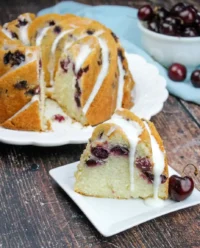
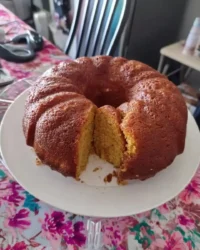
The sound of my grandmother’s wooden spoon beating butter against a yellow ware bowl is a rhythm I can still hear when the house falls quiet.

A classic Vanilla Pound Cake represents the very heart of vintage baking, a quiet craft where time is the most important ingredient. It does not boast loud colors or trendy additions, relying instead on the pure scent of sweet cream and real bean. In our family archives, this recipe remains the standard by which all other cakes are measured.
Grandma taught me that a true cake should be dense yet incredibly tender, holding its shape when sliced but melting softly on the tongue. We achieved this not through artificial rising agents, but by the patient creaming of butter and sugar until the air became our only leaven. It is a slow, meditative process that brings a sense of calm to a busy morning.
This particular version incorporates a measure of sour cream to preserve that delicate moisture for days on the counter. The cake is then brushed with a fragrant simple vanilla syrup, locked under a thin layer of sweet milk glaze that mimics the morning frost. It is a labor of love, meant to be shared over coffee on a wooden stool at the kitchen counter.
Why We Keep Coming Back for This Vanilla Pound Cake
Prep: 45 min · Serves: 18 · Difficulty: Medium
- Simple pantry staples yield an extraordinary crumb.
- Sour cream keeps each slice remarkably tender.
- Vanilla syrup seals in long-lasting moisture beautifully.
- A classic design fits any family gathering.
- Bakes evenly in a traditional bundt pan.
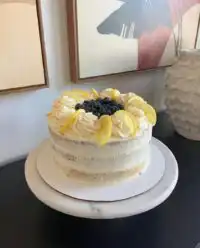
While some prefer a classic vanilla layer cake for birthdays, this bundt cake is the true soul of our home.
This Vanilla Pound Cake is the recipe my family gathers for every quiet Sunday afternoon.
Get The Full Cake Recipe
Print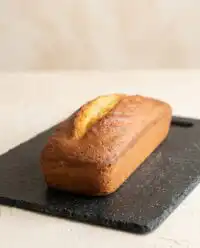
Vanilla Pound Cake
- Total Time: 1 hour 55 mins
- Yield: 18 servings
Description
A timeless, dense, and tender vanilla pound cake that captures the essence of classic baking. Featuring a moist crumb thanks to a touch of sour cream and a fragrant vanilla bean infusion, this elegant dessert is the perfect centerpiece for any gathering.
Ingredients
- All-purpose flour
- Baking soda
- Kosher salt
- Unsalted butter, room temperature
- Vegetable oil
- Vanilla bean
- Granulated sugar
- Eggs, room temperature
- Sour cream, room temperature
Instructions
- Prepare the oven. Preheat your oven to 325°F (163°C) and sift together the all-purpose flour, baking soda, and kosher salt into a large glass bowl.
- Smooth the fats. Mix the room temperature unsalted butter and vegetable oil on medium speed until completely smooth with no lumps.
- Infuse the sugar. Scrape the seeds from a split vanilla bean into the granulated sugar and massage them together until the sugar is fragrant and speckled.
- Cream butter and sugar. Add the vanilla-infused sugar to the butter mixture and beat on medium speed until the texture is light, fluffy, and pale.
- Add the eggs. Incorporate the room temperature eggs one at a time, mixing thoroughly after each addition to maintain a stable emulsion.
- Alternate dry and wet. Add half the flour mixture followed by the sour cream, then finish with the remaining flour, mixing on low speed until barely combined.
- Fold by hand. Use a stiff rubber spatula to gently fold the batter, ensuring there are no hidden pockets of butter or flour at the bottom of the bowl.
- Bake the cake. Transfer the batter to a prepared bundt pan and bake at 325°F for 60 to 70 minutes, or until the internal temperature reaches 212°F.
- Cool the cake. Rest the pan on a wire rack for ten minutes before inverting the cake to cool completely on the rack.
Notes
- Ensure all dairy and egg ingredients are at true room temperature to prevent the batter from breaking.
- Use a digital scale to measure flour by weight to avoid an overly dense or dry crumb.
- Paint the inside of your bundt pan with solid shortening and a light dusting of flour for a flawless release.
- Let the cake rest in the pan for exactly ten minutes to allow the structure to set before turning it out.
- Prep Time: 45 mins
- Cook Time: 70 mins
- Category: Dessert
- Method: Baking
- Cuisine: American
From the Kitchen Shelf
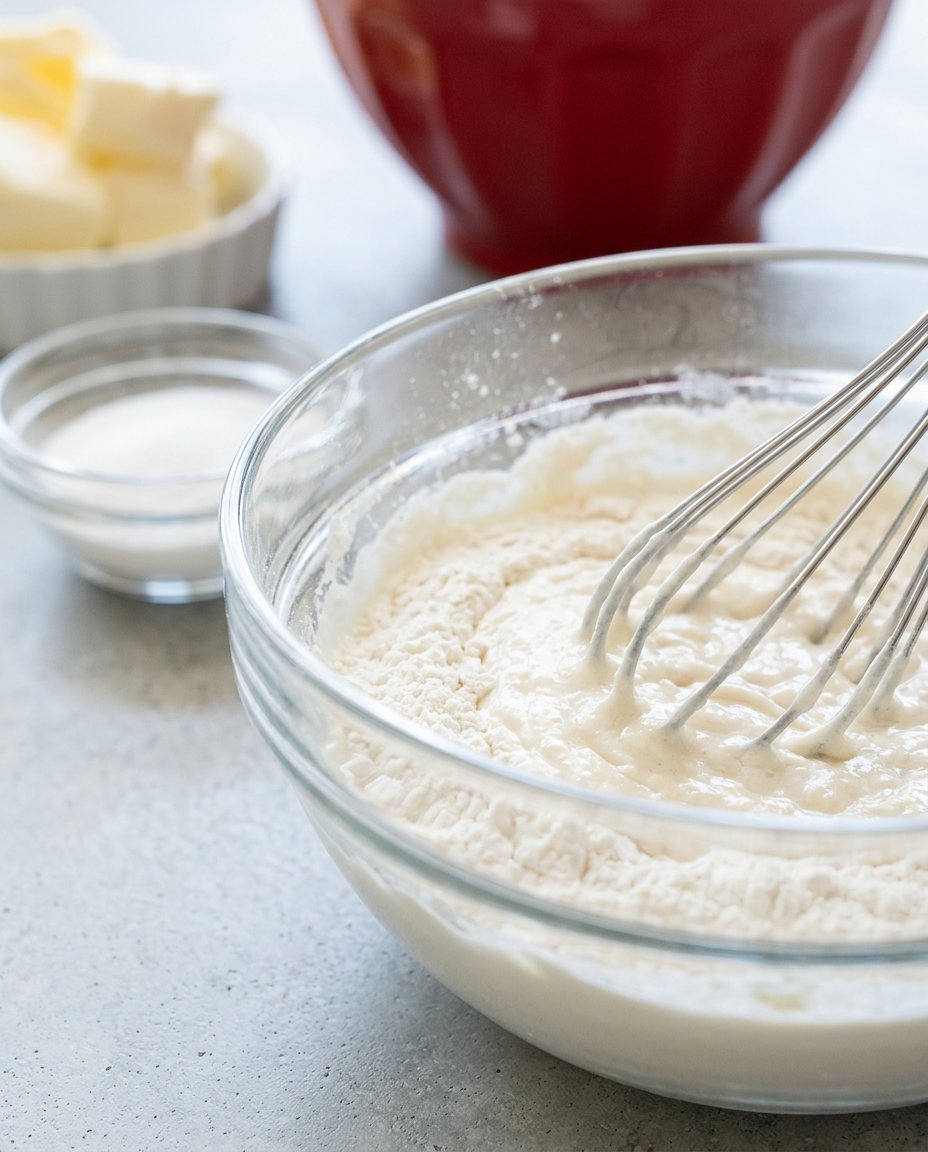
Gathering the ingredients for this Vanilla Pound Cake is a quiet ritual that begins long before the oven is lit. Every element must be brought to room temperature to guarantee they blend together into a smooth, velvety batter. These simple staples work in harmony to create a crumb that is both rich and delicate.
- All-purpose flour: This provides the structural foundation of the cake, giving us a tight, traditional crumb that does not crumble easily under the knife.
- Unsalted butter: Using high-quality butter provides the rich, signature flavor and creates the tiny pockets of air needed to make the cake rise naturally.
- Vanilla bean: Scraping the tiny seeds directly into the sugar allows the pure, warm oils of the bean to infuse every single bite of the cake.
- Sour cream: Adding this ingredient introduces natural acidity and fat, which tenderizes the gluten and keeps the cake moist for days.
- Room temperature eggs: Beating the eggs into the creamed butter one by one creates a stable emulsion that holds the cake’s structure together.
- Granulated sugar: This sweetens the batter while also slicing through the butter during the creaming stage to build essential volume.
- Vegetable oil: A single tablespoon of oil works alongside the butter to keep the crumb soft, even after the cake has cooled completely.
| Ingredient | Why It Matters |
|---|---|
| All-purpose flour | Builds the Vanilla Pound Cake structure |
| Unsalted butter | Delivers rich flavor and natural leavening |
| Sour cream | Guarantees lasting moisture and a soft texture |
| Vanilla bean | Infuses deep, authentic floral aroma throughout |
| Granulated sugar | Creates the essential rise during creaming |
Step by Step in Teresa’s Kitchen
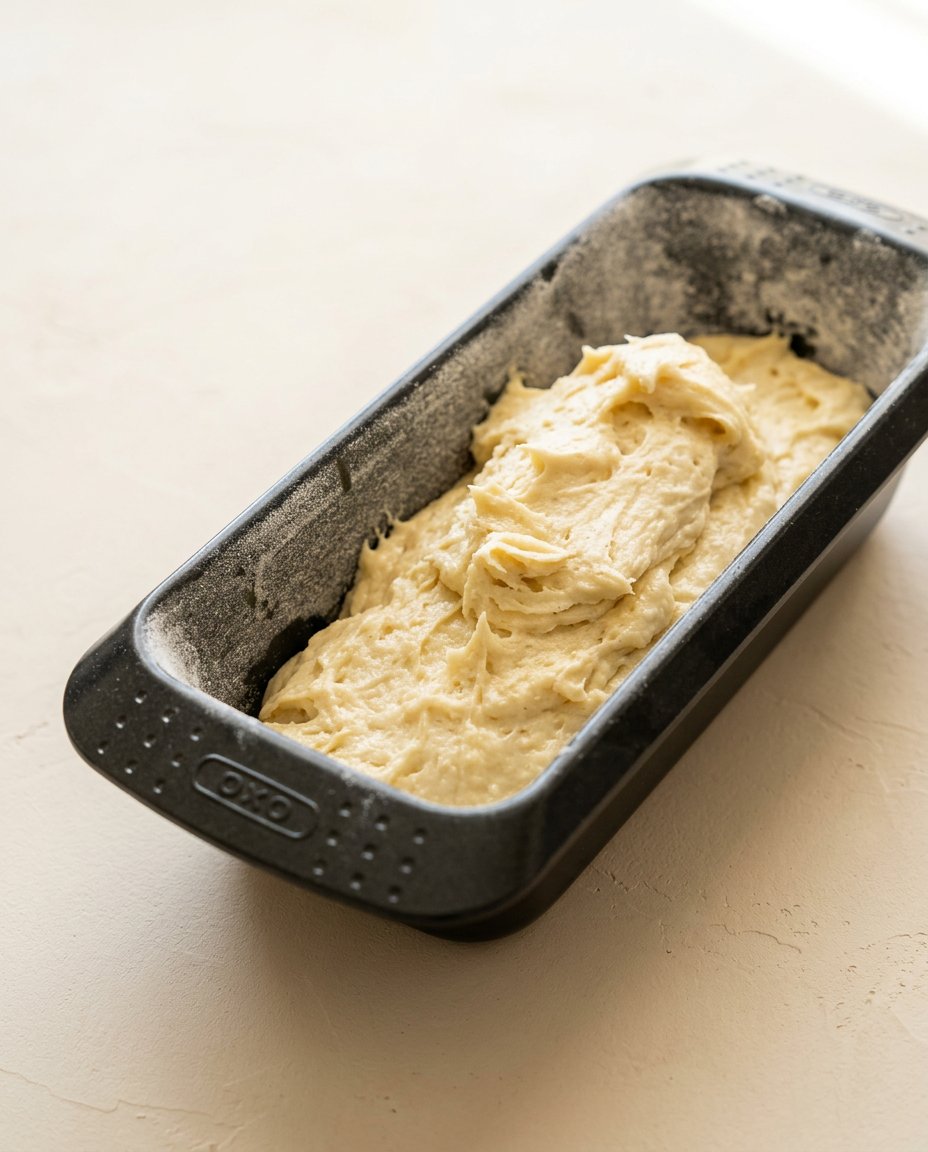
Step 1: Prepare the Oven and Dry Ingredients
Preheat your oven to a true 325°F (163°C), using an independent oven thermometer to verify the temperature. Sift together the all-purpose flour, baking soda, and kosher salt into a large glass bowl. Set this dry mixture aside, allowing it to rest while you prepare the remaining steps.
Step 2: Smooth the Fats Together
Place the room temperature unsalted butter and the single tablespoon of vegetable oil into your mixing bowl. Run the mixer on medium speed until the fats are completely smooth, showing no lumps. This initial mixing creates a uniform base that welcomes the sugar easily.
Step 3: Infuse the Sugar with Vanilla
Split the vanilla bean pod lengthwise with a sharp paring knife to expose the tiny black seeds. Use the flat side of the knife to scrape the seeds into your sugar, then massage them together with your fingertips. You will smell the rich, floral aroma fill the air as the sugar turns a speckled golden color.
Step 4: Cream the Sugar and Butter
Pour the vanilla-infused sugar into the smooth butter mixture and turn your mixer to medium speed. Cream these ingredients together for several minutes until the mixture looks light, fluffy, and resembles pale seafoam. Scrape down the sides of the bowl with a stiff spatula to make sure every grain of sugar is fully incorporated.
Step 5: Creaming the Butter for Your Vanilla Pound Cake
Add the room temperature eggs to the creamed mixture one at a time, mixing thoroughly after each addition. Watch as each egg disappears completely into the golden Vanilla Pound Cake batter before adding the next one to maintain the emulsion. If using pure vanilla extract instead of the bean, pour it in now, letting its sweet scent warm the kitchen.
Step 6: Alternating the Flour and Sour Cream
Spoon in half of your sifted dry ingredients and mix on low speed until the flour is barely visible. Gently pour in all of the room temperature sour cream, mixing until the batter is nearly smooth and uniform. Add the remaining flour mixture, turning the mixer off right before the dry pockets disappear completely.
Step 7: Fold the Batter by Hand
Take a stiff rubber spatula and fold the batter by hand several times to finish the mixing process. Scrape along the bottom and sides of the bowl to catch any heavy pockets of butter or flour that the machine missed. The finished batter should look thick, glossy, and fall from your spatula in slow, heavy ribbons.
Step 8: Bake the Cake to Perfection
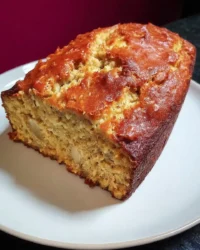
Transfer the thick Vanilla Pound Cake batter into a prepared 10 or 12-cup bundt pan, smoothing the top with your spatula. Bake at 325°F (163°C) for 60 to 70 minutes, or until an instant-read thermometer inserted into the center reads 212°F (100°C). Your kitchen will smell like warm sugar and toasted butter as the cake develops a deep, golden-brown crust.
Step 9: Cool and Release the Cake
Set the hot pan on a wire cooling rack and allow it to rest undisturbed for exactly ten minutes. Gently tap the sides of the pan, then invert the cake onto the rack, lifting the pan away to reveal the beautifully detailed cake. Let the cake cool completely to room temperature before you begin applying the simple syrup or glaze.
What Grandma Would Tell You
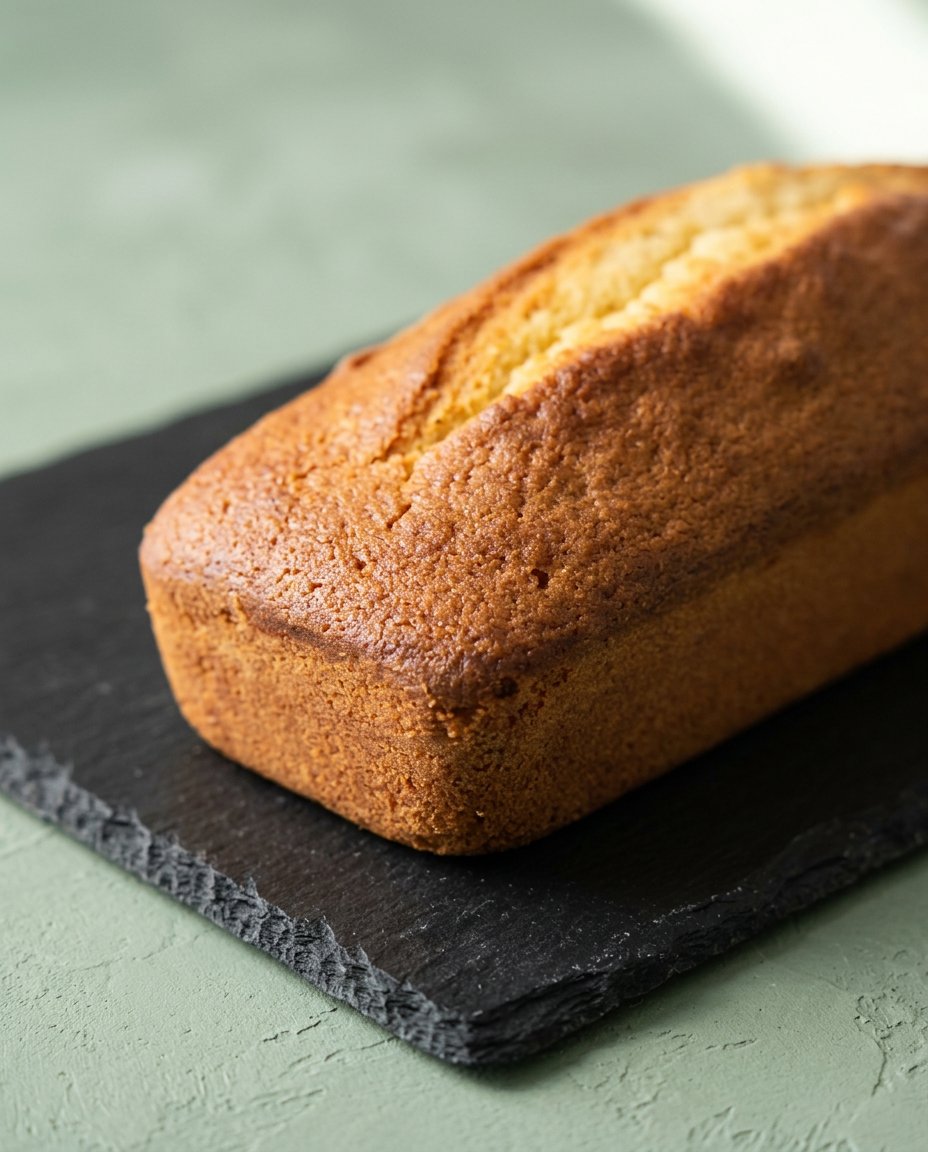
When preparing a classic Vanilla Pound Cake, butter temperature is crucial. Keep your butter at a cool room temperature, around 65°F (18°C), rather than letting it become overly soft or greasy. If the butter is too warm, it cannot hold the tiny pockets of air needed to lift the batter naturally.
Weigh your flour using a digital kitchen scale rather than scooping it directly with a measuring cup. Scooping packs the flour down, adding up to several extra ounces that will dry out your crumb. If you do not have a scale, fluff the flour with a fork, spoon it gently into your cup, and level it off with a flat knife.
If your Vanilla Pound Cake falls when you take it out of the oven, here is why and how to fix it. This common issue, often called a sad streak, happens when the butter and eggs are at different temperatures, breaking the batter’s emulsion. To prevent this, let all of your cold ingredients sit on the counter for at least two hours before you begin mixing.
While baking a simpler classic vanilla butter cake can be done quickly, a traditional bundt requires patience. Allow the batter to rest in the pan for exactly ten minutes before inverting it onto the cooling rack. If you try to release it too quickly, the delicate steam inside will tear the warm crust apart.
For those seeking another beautifully detailed take on this technique, this meticulously crafted scratch pound cake recipe offers excellent insights into mastering your creaming method. Pay close attention to the way the butter clings to the sides of your bowl. A steady, gentle speed builds the strongest foundation for a high, proud rise.
Prepare your bundt pan with melted shortening and a dusting of flour rather than cooking sprays, which can build up a sticky residue. Use a pastry brush to paint the shortening into every single crevice of the detailed pan to guarantee a clean release. This traditional method make sure your Vanilla Pound Cake slides out effortlessly every single time.
Frequently Asked Questions
Why is it called pound cake?
The traditional recipe earned its name because the original formula required exactly one pound each of flour, butter, sugar, and eggs. This simple, easy-to-remember ratio dates back to the early days of hearth baking when written recipe cards were rare. Modern recipes adjust these ratios slightly to create a lighter, more tender crumb.
What is the difference between a traditional Bundt cake and a classic Vanilla Pound Cake?
A pound cake refers to the specific style of heavy, dense batter made with equal or similar parts of butter, sugar, flour, and eggs. A Bundt cake refers solely to any cake baked in a distinctive ring-shaped pan with fluted sides. You can bake many types of cake batters in a Bundt pan, but a pound cake is the classic choice.
Which ingredients can you substitute for vanilla extract?
If you find yourself without pure vanilla extract, you can use vanilla bean paste or scrape a fresh vanilla bean pod. For a subtle twist, you can also substitute an equal amount of almond extract or dark rum to bring a warm, complex flavor to the batter. Always use high-quality extracts to guarantee the best natural flavor in your finished bake.
How do you keep a classic pound cake remarkably moist?
The real secret to maintaining a moist crumb lies in using ingredients like sour cream, whole milk, or cream cheese to add fat and natural acidity. These ingredients tenderize the gluten strands in the flour, preventing the cake from drying out. Additionally, brushing the warm cake with a simple sugar syrup seals in the moisture for several days.
If my pound cake sinks in the center, what went wrong?
If your cake sinks in the center as it cools, it was likely underbaked or the oven door was opened too early during the baking process. Sudden drafts or temperature drops can cause the delicate, rising structure to collapse before it has fully set. Always use an oven thermometer to verify the heat and let the cake bake fully before checking it.
Is there a reason why my Vanilla Pound Cake is too dense?
An overly dense, heavy cake is usually the result of under-creaming the butter and sugar, or over-mixing the batter after adding the flour. Creaming builds the crucial air pockets that lift the heavy batter, while over-mixing develops too much gluten, making the crumb tough. Follow the mixing times carefully and fold the final flour additions by hand.
Where should I store leftover slices to keep them fresh?
Store your cooled cake on the countertop wrapped tightly in plastic wrap or placed under a glass cake dome for up to seven days. Keep it away from direct sunlight or drafty areas to prevent the crust from drying out. Avoid refrigerating the cake, as the cold air will quickly draw out the moisture and turn the crumb stale.
Can you freeze a fully baked pound cake for later?
To freeze your cake, wrap individual slices or the entire cooled cake securely in a double layer of plastic wrap, followed by heavy aluminum foil. This double protection prevents freezer burn and keeps the delicate vanilla flavor intact for up to three months. Thaw the cake overnight on the countertop while still wrapped before serving.
Classic Variations
During the late summer months, you can scatter fresh stone fruits along the bottom of the pan before pouring in the batter. A handful of sliced peaches or plums adds a bright, jammy contrast to the sweet vanilla base. This variation brings a lovely rustic charm to your table, reminiscent of a peach cobbler pound cake baked during the height of harvest season.
For this Vanilla Pound Cake, rub the fresh zest of two lemons into the sugar along with the vanilla bean. The natural citrus oils will blend with the vanilla to create a beautifully fragrant, uplifting crumb. The warmth of the vanilla balances the sharp citrus perfectly, making each bite feel like a quiet morning in a sun-drenched kitchen.
For a more intense citrus focus, you might also enjoy our traditional lemon pound cake 3 which highlights the clean taste of fresh lemons. This recipe relies on a similar slow-creaming technique to achieve a dense, melt-in-your-mouth crumb. It is a wonderful alternative to keep in your handwritten recipe box for the spring months.
Sitting Down Together
Sitting down to enjoy a slice of this Vanilla Pound Cake is a quiet ceremony that deserves to be unhurried. Cut the cake into thick slices using a long, sharp serrated knife to preserve the beautiful crumb structure. A light dusting of powdered sugar or a spoonful of vanilla bean whipped cream is all that is needed to complete this simple dessert.
While an elaborate vanilla cake recipe is wonderful for festive celebrations, this humble bundt is meant for cozy afternoons. Serve each portion on vintage china plates alongside a steaming pot of black tea or rich, dark coffee. The warmth of the beverage melts the buttery crumb slightly, releasing the deep aroma of the vanilla bean.
For an elegant summer gathering, surround the golden ring with a handful of fresh, tart berries like raspberries or blackberries. The bright, natural acidity of the fresh fruit cuts through the rich sweetness of the butter glaze beautifully. It is a simple presentation that honors the natural beauty of scratch baking without any unnecessary fuss.
Before You Close the Recipe Box
Baking a classic Vanilla Pound Cake is more than just combining ingredients; it is a way to preserve our most cherished memories and share them with the people we love. Every time you cream butter and sugar in your kitchen, you connect with generations of bakers who did the same. This simple recipe is a reminder that the old ways are still worth keeping, even in a fast-paced world.
We hope this cake brings a sense of warmth and comfort to your home, just as it has to ours for many years. When you slice into your golden cake, take a quiet moment to appreciate the sweet aroma of this Vanilla Pound Cake filling your kitchen. If you love this style of baking, you might also want to try our classic classic vanilla layer cake for your next family gathering.
Please share your baking journey with us and let us know how your cake turned out in your own kitchen. You can connect with our community of home bakers on Pinterest, follow our kitchen updates on Facebook, or watch our slow baking moments on TikTok. Until next time, keep your flour dusty and your oven warm.