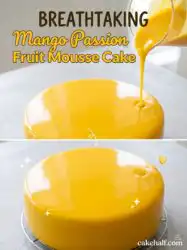
There is a quiet dignity in baking slowly, taking only what the season offers and turning it into something beautiful to share.

In the warmth of a quiet morning, I often think about how certain flavors carry us back to simpler times. This Mango Passion Fruit Mousse Cake is a testament to the old way of baking, where patience is the most important ingredient. We combine a soft, airy sponge cake with a delicate, bright mousse that captures the essence of summer. It is a slow, meditative process that rewards the patient baker with every single slice.
As the scent of vanilla warms the kitchen, the busy world outside seems to fade away. Preparing this cake is not about quick results, but about honoring the heritage of scratch baking. Every fold of the batter and every stir of the warm fruit puree feels like a conversation with the past. We create a beautiful, light dessert that sits proudly on any table, bringing families together in quiet appreciation.
Why We Keep Coming Back to Mango Passion Fruit Mousse Cake
Prep: 60 min · Serves: 10 · Difficulty: Medium
In our busy world, taking a few hours to bake from scratch is a quiet rebellion. This recipe is not about speed or convenience, but about the slow, steady craft of folding egg whites and pureeing fresh fruit. It is a gentle reminder of why we fell in love with baking in the first place.
- Soft chiffon cake melts in your mouth.
- Bright fruit balances the rich dairy.
- Elegant appearance requires no fancy tools.
- Sponge fingers frame the cake beautifully.
- Honoring traditional scratch baking methods.
When you serve a homemade cake with fruit, you are sharing a piece of your heart. This Mango Passion Fruit Mousse Cake will bring quiet joy to your Sunday table.
Get The Full Cake Recipe
Print
Mango Passion Fruit Mousse Cake
- Total Time: 100 mins plus chilling
- Yield: 10 servings
- Diet: Vegetarian
Description
This elegant Mango Passion Fruit Mousse Cake combines a light, airy chiffon sponge with a vibrant, velvety tropical fruit mousse. It is a meditative dessert perfect for sharing with loved ones, offering a refined balance of sweet and tart flavors.
Ingredients
- Egg whites
- Cream of tartar
- Granulated sugar
- Fresh mangoes
- Passion fruit juice
- Double cream
- Gelatin powder
- Sponge fingers
- Vanilla extract
- Oil
- Milk
- Flour
- Baking powder
- Salt
Instructions
- Prep the equipment. Preheat your oven to 180C (350F) and line two eight-inch cake tins with parchment paper, leaving the sides ungreased.
- Whip egg whites. Combine egg whites and cream of tartar in a clean bowl, gradually adding sugar until glossy, stiff peaks form.
- Mix yolk batter. Whisk yolks, remaining sugar, and vanilla until pale, then fold in oil, milk, flour, baking powder, and salt.
- Combine and bake. Gently fold the egg whites into the yolk mixture in two batches, then divide into tins and bake for 35-40 minutes.
- Prepare fruit base. Puree mangoes, simmer with passion fruit juice and sugar, stir in bloomed gelatin, and cool until lukewarm.
- Create the mousse. Whip the double cream into soft peaks and gradually fold in the cooled mango mixture until fully combined.
- Assemble the cake. Layer the sponge cakes with the mousse inside a springform pan, lining the edges vertically with sponge fingers.
- Set and serve. Chill the assembled cake overnight before removing the springform collar and serving chilled.
Notes
- Ensure your mixing bowl is completely grease-free to achieve the necessary volume when whipping egg whites.
- Using ripe, fragrant mangoes will result in a much smoother puree and a deeper flavor profile for the mousse.
- Allow the simmered fruit puree to cool until it reaches room temperature to prevent the whipped cream from melting.
- Do not grease the sides of the cake pans, as the batter requires the friction against the metal to rise properly.
- If the gelatin mixture becomes too firm to work with, gently warm it over a water bath before folding it into the cream.
- Prep Time: 60 mins
- Cook Time: 40 mins
- Category: Dessert
- Method: Baking and Chilling
- Cuisine: European Inspired
Gathering Your Ingredients
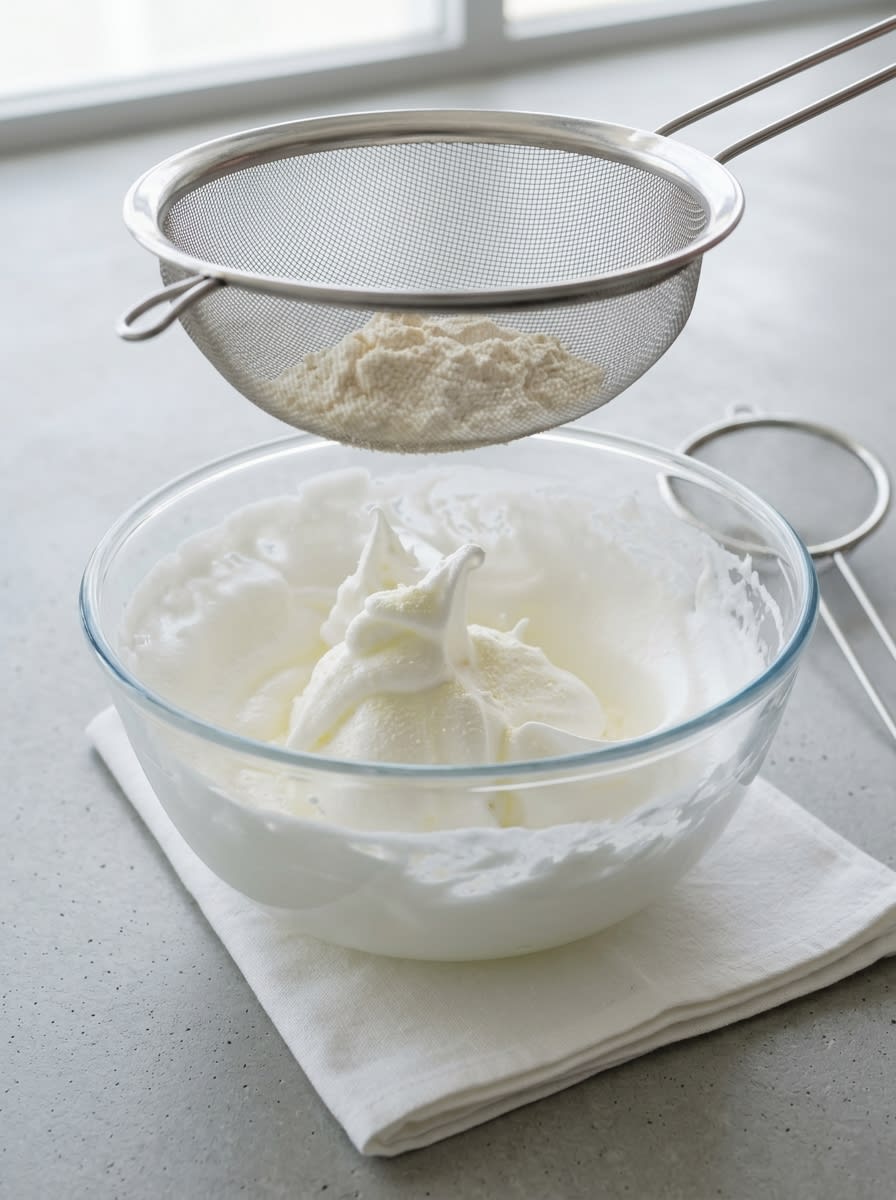
Before we begin, we must gather our ingredients with care, choosing fruits that are heavy with juice and sugar. In my kitchen, I still use the old glass mixing bowls that belonged to my grandmother, feeling their familiar weight. Every element of this recipe has a purpose, balanced to create a gentle harmony of sweet and tart.
We start with fresh, ripe fruit to ensure a naturally bright flavor that artificial extracts can never replicate. The delicate sponge base relies on the chemistry of whipped egg whites, while the mousse is held together with a modest touch of gelatin. Each ingredient plays its part in creating a cake that feels both luxurious and comforting.
- Egg Whites: We whip these with cream of tartar to build a strong, airy structure for our delicate chiffon base.
- Granulated Sugar: This sweetens our batter while stabilizing the whipped whites so they do not collapse during folding.
- Fresh Mangoes: They provide the rich, aromatic sweetness that forms the heart of our smooth, velvety mousse layer.
- Passion Fruit Juice: This tart liquid adds a necessary brightness, cutting through the rich cream with its tropical acidity.
- Double Cream: We use high-fat heavy cream to create a luxurious texture that holds its shape beautifully when chilled.
- Gelatin Powder: A modest amount of gelatin gently sets the fruit puree, keeping our layers distinct and neat when sliced.
- Sponge Fingers: These classic biscuits line the edges of our pan, creating a vintage charlotte-style border.
| Ingredient | Why It Matters |
|---|---|
| Egg Whites | Provide the structural lift and light texture for our sponge cake layers. |
| Fresh Mangoes | Form the sweet, aromatic base of our smooth, hand-whipped fruit mousse. |
| Passion Fruit | Supplies a bright, tart acidity that balances the richness of the double cream. |
| Gelatin Powder | Gently stabilizes the mousse without making it rubbery or overly firm. |
| Sponge Fingers | Frame the cake in a classic, vintage style while absorbing excess moisture. |
Step by Step in Teresa’s Kitchen
Step 1: Prep the Oven and Pans
Begin by warming your oven to 180C (350F) so the heat is steady and gentle. Line two eight-inch cake tins with rounds of parchment paper, but do not grease the sides of the pans. The delicate batter needs to cling to the dry metal walls as it rises, reaching its full, airy height. Preparing your pans correctly is the first step toward a successful bake and ensures an even crumb.
Step 2: Whip the Egg Whites
In a spotless glass bowl, combine the egg whites and cream of tartar, whipping until they become foamy. Slowly stream in the first portion of sugar, watching as the whites transform into glossy, stiff peaks that hold their shape. Set this bowl aside, treating the delicate foam with the utmost care so it does not lose its loft. This step creates the essential lightness for our cake base, lifting the sponge to beautiful heights.
Step 3: Mix the Yolk Batter
In a separate bowl, whisk the egg yolks with the remaining sugar and vanilla extract for about two minutes. You will watch the color lighten to a pale yellow, indicating the mixture has trapped enough air. Whisk in the oil and milk, then gently fold in the flour, baking powder, and salt until smooth. The batter should feel thick and ribbon-like as it falls from your spatula, showing a beautiful smoothness.
Step 4: Fold and Bake the Sponge
Gently fold your whipped egg whites into the yolk mixture in two separate additions, taking care not to deflate the batter. Divide this pale, airy mixture between your prepared tins and bake for thirty-five to forty minutes. They are ready when a wooden toothpick inserted into the center emerges clean, leaving a faint scent of sweet vanilla in the air. The tops should be golden and spring back lightly to the touch, indicating the delicate structure is set.
Step 5: Prepare the Mango Passion Fruit Mousse Cake Filling
While the cakes cool upside down in their tins to prevent collapsing, prepare the fruit base. Process your fresh mangoes until they are smooth, then simmer the puree in a saucepan with passion fruit juice and sugar. Once warm, stir in the bloomed gelatin until it dissolves completely, then set it in the refrigerator to cool for thirty minutes. The mixture should feel cool but remain liquid before you combine it with the cream, preventing any melting.
Step 6: Whip and Fold the Mousse
Pour your cold double cream and vanilla into a chilled bowl, whipping gently until soft, billowy peaks form. Gradually fold the cooled mango mixture into the cream in three distinct portions, watching the pale cream turn a soft, sun-kissed yellow. This slow folding guarantees our filling remains light as a summer cloud. If you desire a more beautiful golden shade, you can add a single drop of yellow coloring now.
Step 7: Assemble the Vintage Cake
Slice the domed tops off your cooled sponge cakes to create flat, even surfaces. Place the first layer inside a springform tin, spooning warm vanilla-infused milk over it to keep it wonderfully tender. Arrange the sponge fingers upright along the inner rim of the tin, then pour in half of the fruit mousse before chilling. The sponge fingers should fit snugly against the sides of the pan, forming a neat border.
Step 8: Finalize the Layers and Chill
Place the second sponge layer on top of the chilled mousse, moisten with the remaining milk, and pour the rest of the mousse over it. Top the cake with freshly whipped cream and diced mangoes, then place it in the refrigerator to set overnight. The next morning, release the springform collar slowly and admire your beautiful, hand-crafted creation. It is now ready to be sliced and shared with those you love, serving as a reminder of old-fashioned kitchen magic.
What Grandma Would Tell You
When choosing mangoes, look for fruit that has a fragrant aroma near the stem and yields slightly to gentle pressure. Stringy, fibrous mangoes will make your puree grainy, so seek out smooth varieties like Honey or Kent mangoes. If you find your puree is still slightly fibrous, press it through a fine-mesh sieve to guarantee a silky mouthfeel. This small step makes a noticeable difference in the final texture of your mousse.
To whip egg whites successfully, your bowl and beaters must be completely free of grease. A single drop of yolk or leftover cooking oil can prevent the whites from reaching their full volume. I always wipe my vintage glass bowls with a lemon wedge and a clean cloth before I begin. This traditional practice cuts through any invisible residue, helping the whites rise beautifully.
If your mousse begins to separate or turn watery, your fruit mixture was likely too warm when folded into the cream. The heat from the simmered puree melts the fat in the double cream, causing it to collapse. To fix this, always let your fruit mixture cool until it feels lukewarm to the touch before combining. Patience at this stage is crucial for a light, stable mousse.
When lining your springform pan, cutting the sponge fingers slightly shorter than the depth of the pan makes the final cake much easier to wrap. They should stand tall like a little picket fence around your delicate layers. For more visual inspiration on preparing these bases, you can read our classic mango sponge cake story which details the process. This creates a beautifully framed border that holds the mousse in place.
Never grease the sides of your sponge cake tins, as this prevents the batter from climbing. The cake needs to stick to the pan to rise evenly without sinking in the center. Once baked, cooling the cake upside down allows the delicate crumb structure to stretch and set without collapsing under its own weight. This is the old-fashioned secret to high, airy sponge layers.
If your gelatin sets too quickly into firm lumps before you can fold it into the cream, your kitchen might be too cold. You can gently warm the mango mixture over a pot of steaming water for a few seconds to loosen it up. Always fold the fruit into the cream gradually, matching their temperatures as closely as possible. This guarantees a beautifully smooth consistency without any rubbery bits.
Frequently Asked Questions
What is the best way to make the passion fruit layer?
The passion fruit layer is best made by extracting fresh juice from ripe fruits and straining out the seeds. This juice is then gently simmered with the mango puree to create a bright, acidic base that balances the sweet mousse. Heating the mixture gently ensures the sugar dissolves completely and the gelatin blooms evenly throughout the liquid.
How do you prevent the mousse from melting?
To prevent your Mango Passion Fruit Mousse Cake from melting, ensure the gelatin is properly dissolved and the cake is kept refrigerated until the moment of serving. If you are serving this during a warm summer afternoon, keep it indoors in a cool room. You can also place the serving platter on a bed of ice if it must sit out on a buffet table.
Can you make mango passion fruit mousse cake without baking?
Yes, you can adapt this recipe by replacing the homemade sponge cake with a simple crust made from crushed graham crackers or vanilla wafers. This alternative cuts down on kitchen heat during the warmest months of the year, saving you from turning on the oven. Gently press the buttered crumbs into your springform pan before pouring in the fresh mango mousse.
Can you freeze a mousse cake?
Yes, this cake freezes beautifully if wrapped securely in plastic wrap and aluminum foil. When you are ready to serve, transfer the cake to the refrigerator twenty-four hours in advance so it can thaw slowly and retain its delicate texture. Avoid adding the fresh mango decoration and whipped cream on top until right before serving.
What kind of glaze goes on top?
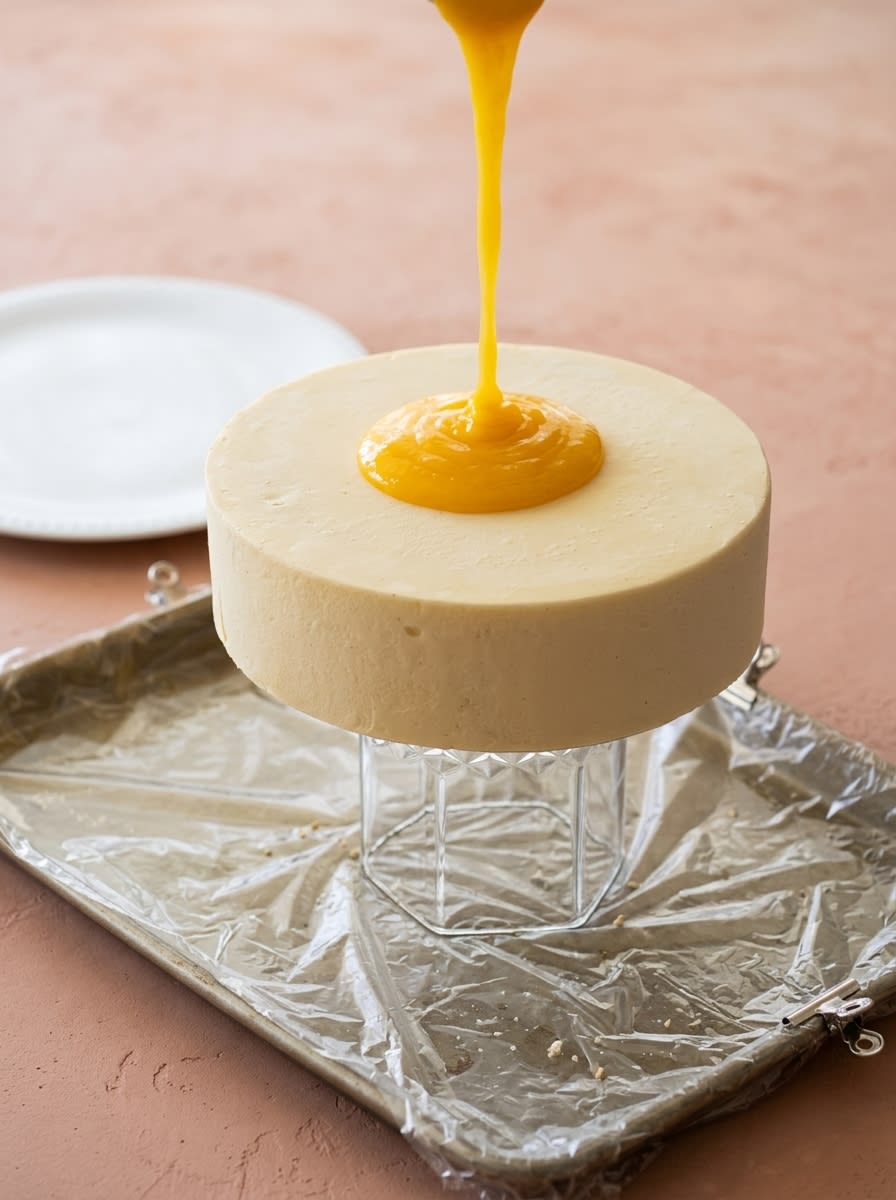
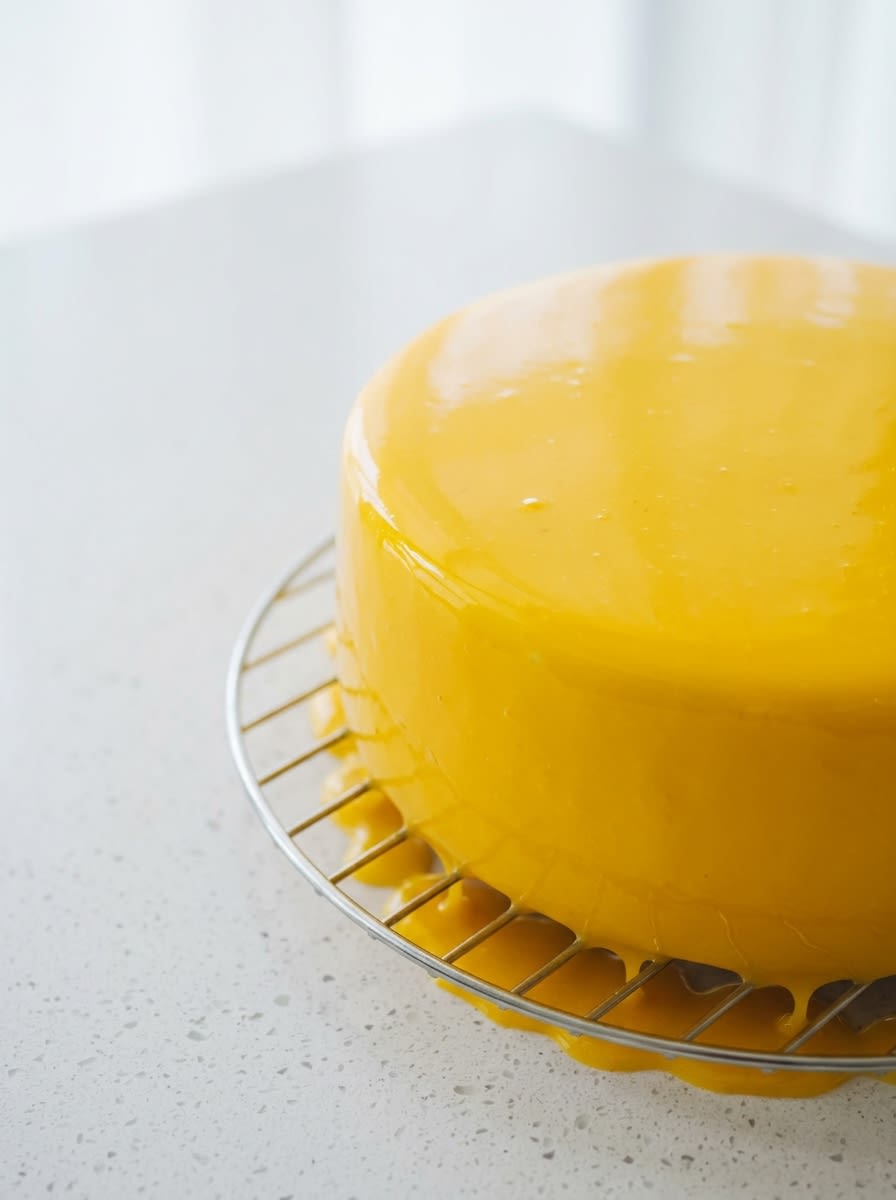
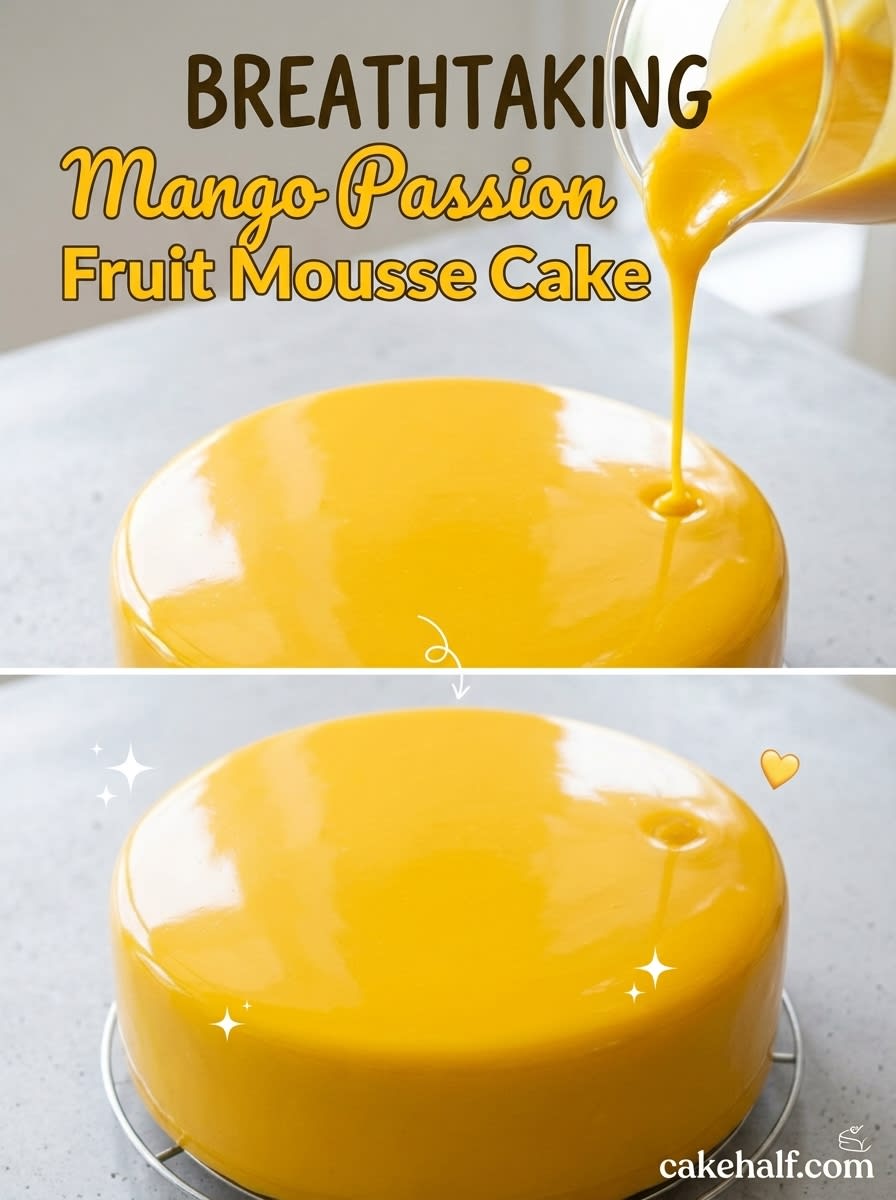
While we prefer a simple topping of whipped cream and fresh diced mangoes, a classic clear fruit glaze can also be applied. A simple gelatin glaze made with strained passion fruit juice adds a striking, glossy finish to the dessert. This glaze should be poured gently over the fully set mousse layer before the final overnight chill.
Is a sponge cake base required for mango passion fruit mousse cake?
A light sponge cake is highly recommended as it absorbs the vanilla milk mixture beautifully, providing a tender contrast to the creamy mousse. However, you can use ladyfingers or a cookie crust if you prefer a different texture. The sponge cake anchors the dessert, making it much easier to slice into clean, neat portions.
How long should a mousse cake chill before serving?
The assembled cake should chill in the refrigerator for at least six to eight hours, though leaving it overnight is best. This extended time allows the gelatin to fully set and the flavors to meld into a harmonious dessert. Slicing the cake while cold ensures the layers stay clean and beautiful.
Can I substitute gelatin in a mango passion fruit mousse cake?
You can substitute the gelatin with agar-agar powder, which is a plant-based alternative derived from seaweed. Keep in mind that agar-agar sets more firmly than gelatin, so adjust the measurements carefully to maintain a soft texture. It must also be boiled for a couple of minutes to activate its setting properties.
Classic Variations
For a seasonal swap, you can replace the passion fruit juice with fresh raspberries. The tart raspberry juice offers a beautiful pink contrast to the bright yellow mango, reminiscent of warm summer afternoons on the porch. This fruit combination is highly popular in traditional European baking circles.
If you prefer a lighter presentation without sponge fingers, you can prepare this dessert in individual glass cups. Layer small rounds of sponge cake at the bottom, moisten them with the vanilla milk, and spoon the mousse directly on top. For step-by-step photos of this elegant presentation, see our classic mango mousse cake story.
You can also adapt this recipe into a classic charlotte by brushing the sponge fingers with a light elderflower syrup. This addition lends a subtle, floral note that pairs beautifully with the tropical fruit. For a similar take on this elegant dessert, read about how to assemble a classic mango and passion fruit charlotte cake.
Sitting Down Together
Serving a cake like this is an invitation to slow down and savor the moment. I love to present this dessert on my grandmother’s old glass pedestal stand, where the sunlight can catch the bright yellow layers. The simple elegance of the sponge fingers makes any afternoon tea feel like a special family gathering.
Pair each slice with a cup of hot black tea or a light chamomile infusion to balance the rich double cream. The warmth of the tea cleanses the palate, preparing you for another bite of the cool, melt-in-your-mouth mousse. It is a wonderful centerpiece for Sunday dinners or a quiet birthday celebration.
For those planning a larger celebration, this dessert pairs beautifully with other heritage recipes. You can discover more seasonal decorating ideas in our mango birthday layer cake story to make your table look even more inviting. A simple dusting of powdered sugar right before serving adds a lovely, nostalgic touch.
Before You Close the Recipe Box
Baking is more than just combining ingredients; it is a way to preserve memories and share love with those who sit at our table. This cake, with its bright fruit and soft sponge, represents the patience and care we bring to our kitchens. I hope you find peace in the quiet rhythm of folding cream and whipping egg whites.
If you find yourself longing for another cool and creamy project, you might also enjoy our classic chocolate mousse cake. It offers a richer, darker flavor profile while keeping the same elegant texture that we cherish. Both recipes belong in every home baker’s cherished collection.
Please share your baking journey with us, as we love seeing these heritage recipes come to life in your homes. You can connect with our community of passionate bakers on Pinterest, follow our kitchen stories on Facebook, or watch our quiet baking tutorials on TikTok. Until we meet again, may your kitchen be warm and your flour-dusted aprons be full of memories.