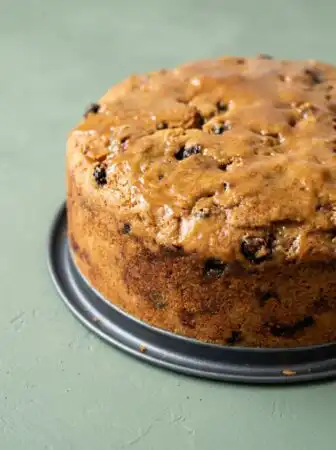
Fresh apple cider concentrate contains the captured essence of autumn, waiting to transform a simple batter into a masterpiece of spice and structure.
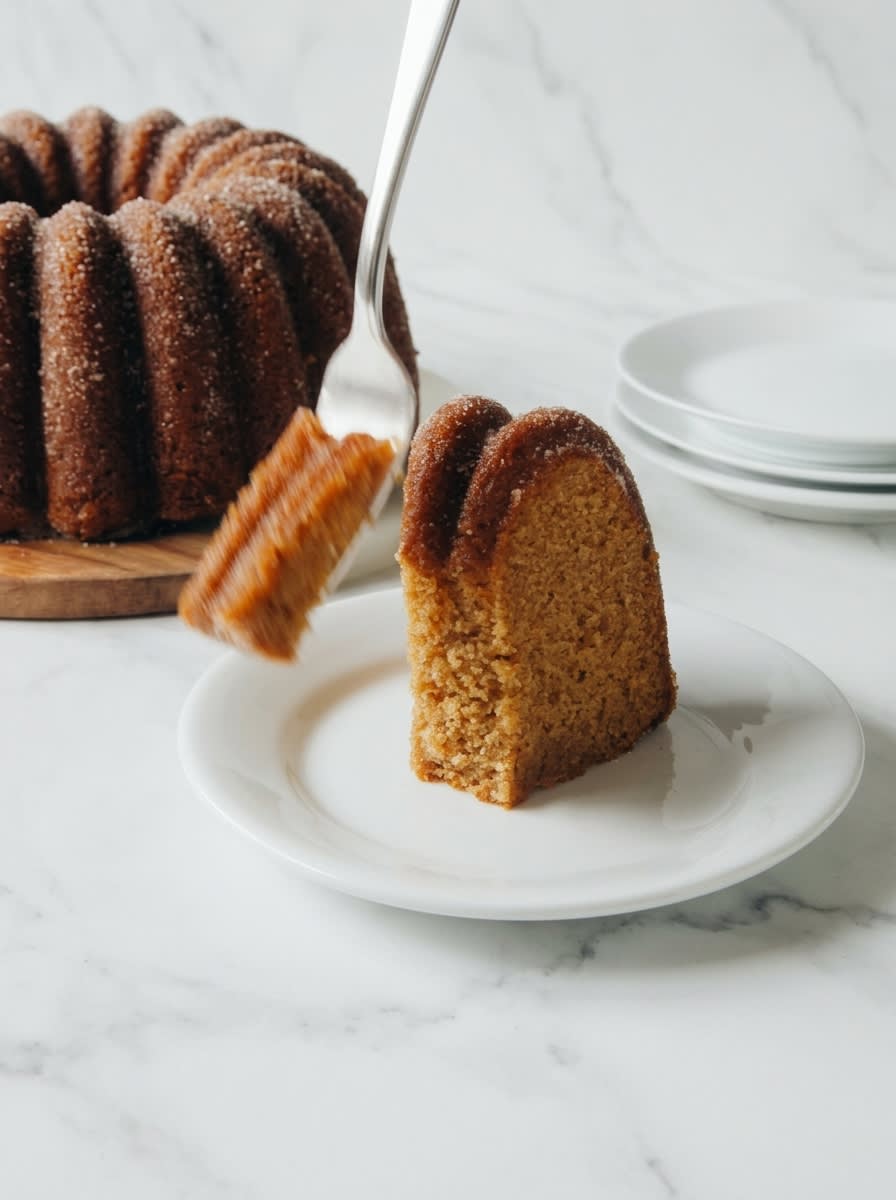
When the air cools, baking an Apple Cider Cake offers a profound return to seasonal discipline. This recipe relies on a highly concentrated reduction to deliver genuine orchard depth rather than synthetic sweetness. By balancing liquid fats with dense purées, we establish a tender crumb that retains its structure beautifully under a crisp cinnamon coat. You will guide your ingredients through a deliberate creaming method to yield a slice that is both intellectually satisfying and comforting.
The Craft Behind This Apple Cider Cake
Prep: 30 min · Serves: 20 · Difficulty: Medium
This classic bake rewards the patient hand with textures and flavors that recall vintage cider mills. By integrating both solid and liquid fats, we construct an exceptionally moist crumb that remains stable for days. For those who appreciate classic fall textures, our apple spice cake offers a similar spiced profile, yet this cider-based variation provides a distinct brightness.
- Deep apple flavor through deliberate concentrate reduction.
- Unrivaled tender crumb from yogurt and applesauce.
- Crisp textured cinnamon sugar coating on every slice.
- Flawless structural integrity for beautiful clean slicing.
- Rich spice balance matching true traditional cider.
This Apple Cider Cake will become the cornerstone of your cold-weather baking repertoire.
Get The Full Cake Recipe
Print
Apple Cider Cake
- Total Time: 1 hour 12 mins
- Yield: 20 slices
Description
This refined Apple Cider Cake features a tender, spiced crumb infused with concentrated orchard cider and finished with a crisp cinnamon-sugar coating. It is a perfect seasonal treat that balances delicate structure with deep, natural apple flavor.
Ingredients
- 1 cup unsalted butter, softened
- 1 1/2 cups dark brown sugar
- 1/2 cup granulated sugar
- 3 large eggs
- 1 tablespoon vanilla extract
- 1/2 cup unsweetened applesauce
- 1/2 cup plain whole milk Greek yogurt
- 1/2 cup apple cider concentrate
- 3 cups all-purpose flour
- 1 teaspoon baking powder
- 1/2 teaspoon baking soda
- 1 teaspoon salt
- 1 tablespoon ground cinnamon
- 1/2 teaspoon ground nutmeg
- 1/4 teaspoon ground allspice
- 1/4 teaspoon ground ginger
- 1/4 cup melted butter (for topping)
- 1/2 cup granulated sugar mixed with 1 tablespoon cinnamon (for coating)
Instructions
- Prepare the pan. Brush a 10-cup Bundt pan thoroughly with softened butter and coat evenly with a thin layer of granulated sugar.
- Combine dry ingredients. Whisk together the flour, baking powder, baking soda, salt, and spices in a medium bowl until uniformly distributed.
- Cream butter and sugar. Beat the butter with brown and white sugars in a stand mixer for three minutes until pale and aerated.
- Emulsify the batter. Add eggs one by one and the vanilla, mixing until the batter is smooth and cohesive.
- Alternate wet and dry. Mix in the dry ingredients and combined liquids in three additions, starting and ending with the flour mixture.
- Bake the cake. Pour into the prepared pan and bake at 350°F for 35 to 42 minutes, or until a skewer comes out clean.
- Cool the cake. Let the cake rest in the pan on a wire rack for exactly ten minutes before inverting to unmold.
- Apply sugar coating. Brush the warm cake with melted butter and the cider reduction, then immediately dust with the cinnamon-sugar mixture.
Notes
- Ensure all dairy and egg components are at room temperature to prevent the batter emulsion from breaking.
- Avoid opening the oven door before the thirty-minute mark to ensure the cake sets properly without sinking.
- Use a digital kitchen scale for the flour to prevent the cake from becoming dry or overly dense.
- Brush the Bundt pan with meticulous care to ensure every fluted crevice is coated for a perfect release.
- Prep Time: 30 mins
- Cook Time: 42 mins
- Category: Dessert
- Method: Baking
- Cuisine: American
The Mise en Place
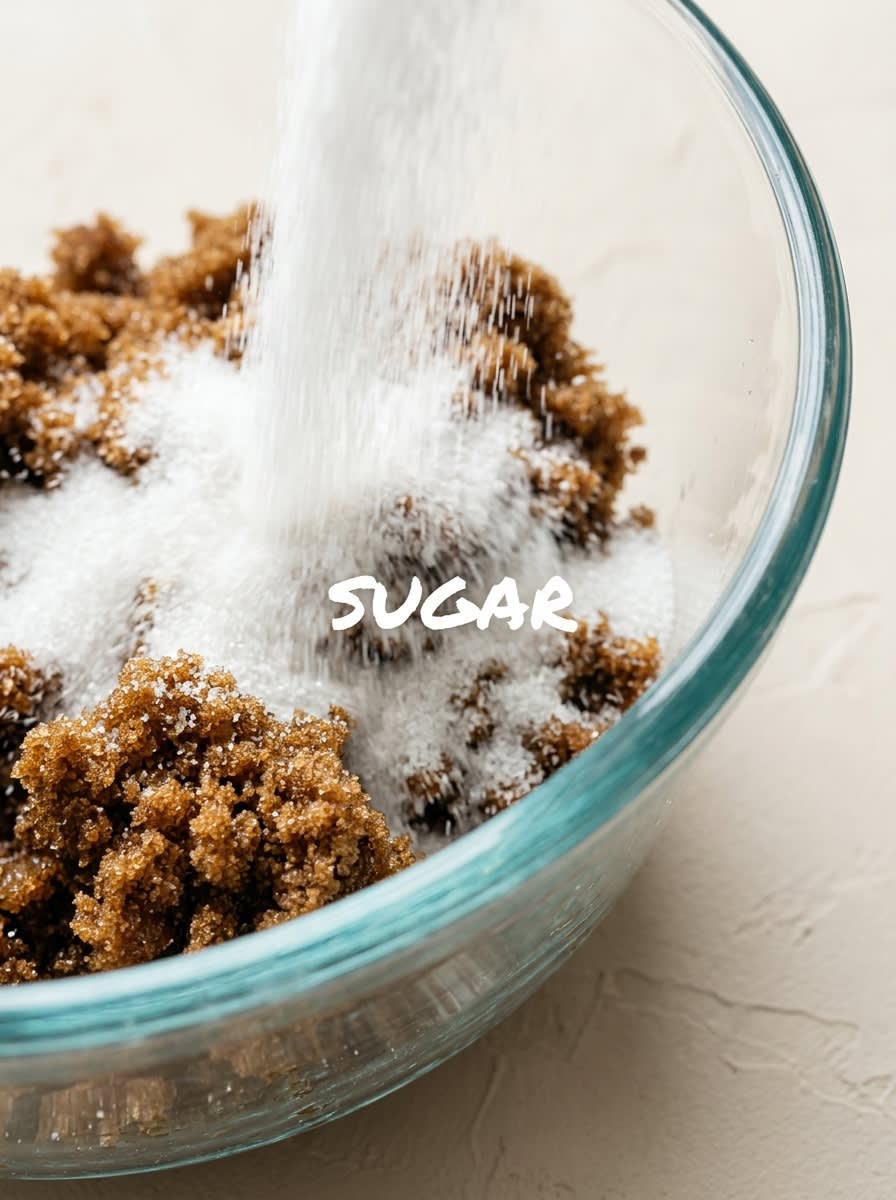
Before beginning, you must assemble and weigh your ingredients to guarantee a flawless execution of the batter. Every element has been selected to stabilize moisture and highlight the warmth of the spices without overwhelming the apple profile.
- Apple Cider Concentrate: This reduced liquid provides the acidic punch and intense orchard flavor that regular cider cannot achieve without thinning the batter.
- Unsweetened Applesauce: It delivers structural moisture and natural fructose, allowing us to keep the crumb tender without adding excess fat.
- Plain Whole Milk Greek Yogurt: The acidity in the yogurt activates the baking soda, while its protein structure creates a tight, delicate crumb.
- Dark Brown Sugar: With its natural molasses content, this sugar adds deep caramel notes and essential moisture to the cake base.
- Neutral Oil: Unlike butter alone, liquid oil keeps the starches in the flour soft at room temperature, ensuring a melt-in-your-mouth texture.
- Spice Blend: A precise ratio of cinnamon, nutmeg, allspice, and ginger provides a complex aromatic background that mimics traditional fried donuts.
| Ingredient | Why It Matters |
|---|---|
| Apple Cider Concentrate | Delivers concentrated fruit acidity and deep aroma |
| Greek Yogurt | Activates chemical leaveners and refines crumb texture |
| Unsweetened Applesauce | Adds structural moisture without heavy lipids |
| Unsalted Butter | Offers critical fat for the initial sugar creaming step |
| All-Purpose Flour | Provides the gluten framework required for a Bundt structure |
Working Through the Recipe
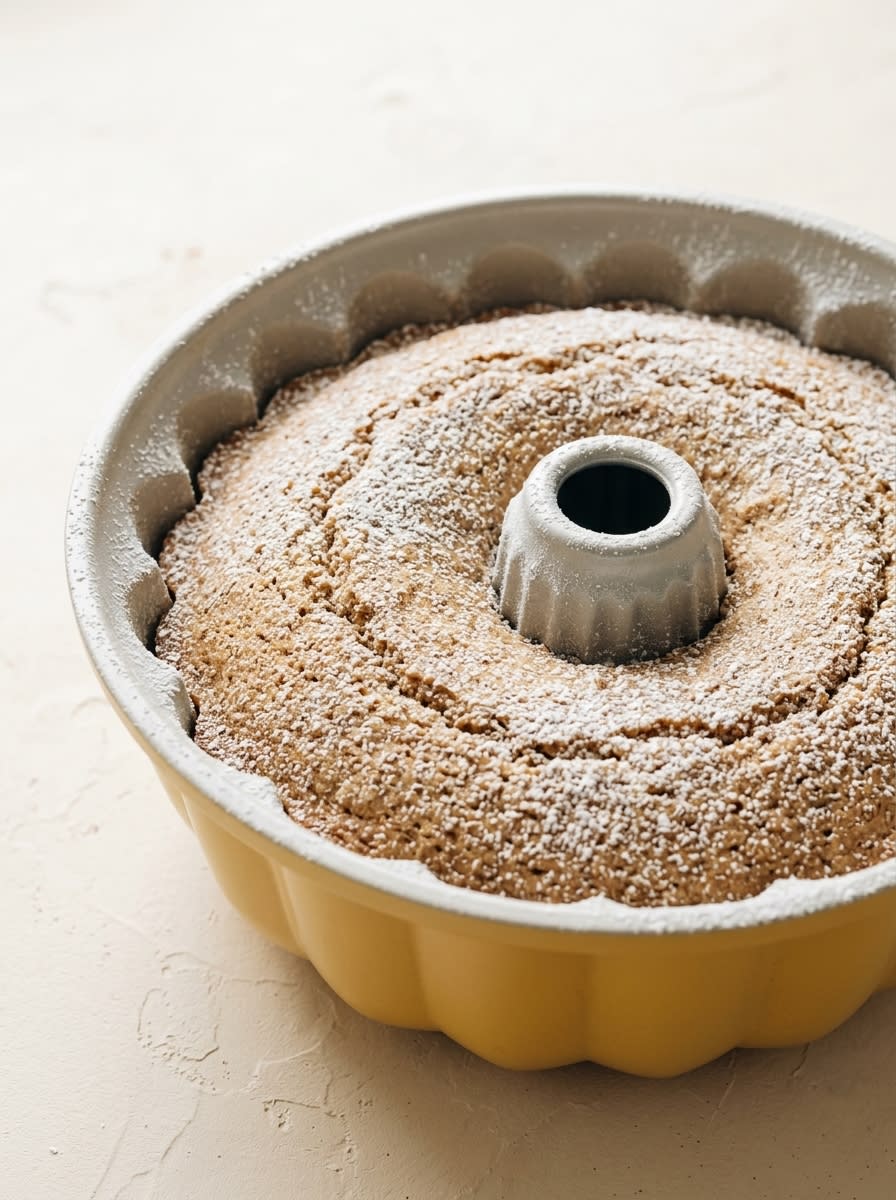
Step 1: Preparing the Bundt Pan
You will begin by verifying your 10-cup Bundt pan is prepared with absolute precision. Brush softened unsalted butter into every fluted crevice using a pastry brush, then coat the entire surface with a thin layer of granulated sugar. This creates a sweet, protective barrier that prevents sticking and adds an appealing crunch to the exterior crust of the finished cake. Do not rush this step, as any ungreased corner will cause the delicate crumb to tear during release.
Step 2: Combining the Dry Botanicals
In a medium mixing bowl, whisk together the all-purpose flour, baking powder, baking soda, salt, and the aromatic spices. This dry mixture must be uniform in color to guarantee even distribution of the leaveners throughout the baking process. If you notice any stubborn spice clumps, sift the mixture once to refine the texture. This aeration step allows the flour particles to hydrate evenly once they meet the liquid elements.
Step 3: Creaming the Butter and Sugars
Position the paddle attachment on your stand mixer and combine the room-temperature butter with the dark brown and granulated sugars. Beat on medium speed for exactly three minutes until the mixture looks pale, fluffy, and slightly aerated. This step is critical because it forces tiny pockets of air into the fat, which will later expand in the oven to lift the batter. Without this mechanical aeration, your cake will lack the height and lightness necessary for a clean crumb.
Step 4: Emulsifying the Eggs and Vanilla
Add the room-temperature eggs one at a time, followed by the pure vanilla extract, mixing thoroughly after each addition. You want to see a cohesive, pale ribbon stage when you lift the paddle from the bowl. If the batter appears curdled or broken, your eggs were likely too cold, which compromises the emulsification of the fats. Take an extra minute to let the mixer run on medium-high speed until the emulsion is completely restored.
Step 5: Incorporating the Wet and Dry Ingredients
With the mixer on its lowest speed, alternate adding the dry spiced flour and the combined wet liquids in three distinct stages. Start and finish with the dry ingredients to prevent the batter from splitting under the acidity of the yogurt and apple cider concentrate. Stir only until the final streaks of flour disappear to avoid overworking the gluten proteins. Over-mixing at this stage will produce a tough, rubbery cake instead of a delicate crumb.
Step 6: Baking the Apple Cider Cake with Precision
Carefully scrape the thick batter into your prepared Bundt pan and smooth the top surface with a flexible spatula. Bake at 350 degrees Fahrenheit (180 degrees C) for 35 to 42 minutes, or until a wooden skewer inserted into the deepest section emerges clean. The kitchen will fill with the aroma of caramelized apple and warm cinnamon as the cake reaches its optimal structure. Avoid opening the oven door before the thirty-minute mark to prevent a sudden temperature drop from collapsing the center.
Step 7: Turning Out the Warm Cake
Allow the cake to rest in its pan on a wire cooling rack for exactly ten minutes—no more, no less. As the cake cools, the starch structure sets, but leaving it longer will cause the sugar coating to steam and stick to the pan. Invert the pan with a firm, steady hand to release the cake cleanly onto the wire rack. If you feel resistance, tap the top of the pan gently with a wooden spoon to encourage the release.
Step 8: Applying the Spiced Sugar Coating
While the cake remains warm, brush the melted butter and cider concentrate mixture over the entire fluted surface. Immediately dredge or sprinkle the cinnamon-sugar mixture over the damp exterior until every curve is completely coated. The warmth of the cake will draw the butter in, securing the sweet, spiced crust in place. Allow the coated cake to cool completely before slicing to let the interior moisture redistribute.
Where Precision Makes the Difference
Ensure your butter is tempered precisely to 65 to 68 degrees Fahrenheit before beginning the creaming process. If the butter is too cold, it will not trap the air bubbles needed for lift; if it is too warm, the fat will melt and cause the cake to sink. You can test this by pressing a finger into the butter; it should leave a clean indentation without sliding.
Weighing your flour using a digital kitchen scale is the only way to avoid a dry, crumbly cake. Measuring cups are highly unreliable because they pack flour tightly, often adding up to thirty percent more than required by weight. For more basic methods on working with apple-infused crumbs, reference our classic apple cake recipe to compare structures.
Using a high-quality, authentic cider concentrate is non-negotiable for achieving that genuine orchard depth. If you attempt to use standard raw cider, you will flood the batter with excess water, which disrupts the gluten framework and leads to a gummy texture. For those looking to master this ingredient, reviewing this professional approach to apple cider bundt cakes can highlight how sugar concentrations behave during the reduction stage.
If your Apple Cider Cake turns out dense and heavy with a wet line at the bottom, your leaveners are likely expired or your liquid fats separated. Always check the expiration dates on your baking powder and soda before beginning, and guarantee all wet ingredients are fully room temperature to maintain a stable emulsion. A broken batter cannot hold the air pockets generated during the initial creaming step.
Adding the dry and wet ingredients too quickly will break the emulsion of your batter. Always slow down and introduce them in small, alternating portions to keep the batter uniform and stable. This deliberate pace protects the delicate fat globules suspended in the liquid, ensuring a tender and consistent crumb throughout the cake.
Dusting your greased Bundt pan with granulated sugar instead of flour prevents that unsightly white residue on your baked cake. The sugar also caramelizes beautifully against the hot metal, forming a thin, sweet crust that naturally repels moisture and makes unmolding a simple, risk-free process. This minor discipline refines the final aesthetic of your bake immensely.
Frequently Asked Questions
What is apple cider for baking?
Apple cider for baking is an unfiltered, unsweetened apple juice that contains the natural solids and pectin from the fruit. Its high acidity helps tenderize gluten while providing a deep, rounded fruit flavor. It is distinct from apple cider vinegar, which is highly fermented and acidic.
How does cider impact this Apple Cider Cake?
In this Apple Cider Cake, cider serves as both a flavoring agent and a natural acid that activates baking soda. The acid tenderizes the flour’s proteins, resulting in an exceptionally soft and delicate crumb structure. It also adds natural sugars that assist in surface caramelization during baking.
Should I reduce the apple cider for my Apple Cider Cake?
Yes, reducing your apple cider is highly recommended if you are not using a pre-made concentrate. Boiling the liquid down concentrates the sugars and flavor compounds without introducing excess water that would ruin the batter balance. Unreduced cider will make your cake wet, dense, and lacking in flavor.
Can I use apple juice instead of apple cider?
Apple juice can be used as a last resort, but it lacks the complex acidity and unfiltered depth of true cider. Because juice is filtered and often sweetened, your cake will lose its characteristic rustic bite and may turn out overly sweet. If you must use juice, add a teaspoon of lemon juice to balance the acidity.
How do you make an apple cider cake taste like a donut?
To achieve that distinct cider donut flavor, you must coat the cake in melted butter and cinnamon sugar while it is still warm. This mimics the sweet, textured exterior of a freshly fried cake donut. Additionally, incorporating nutmeg and allspice into the batter is essential for replicating that vintage bakery profile.
What type of apple cider should be used in baking?
You should always select a high-quality, fresh-pressed, unfiltered apple cider found in the refrigerated section of your orchard or grocery store. Avoid shelf-stable, clear apple juices or ciders containing chemical preservatives, as these can interfere with the rise. Organic, pasteurized cider with visible sediment at the bottom offers the best flavor.
Can Apple Cider Cake be frozen?
Yes, you can freeze this cake successfully before applying the cinnamon-sugar coating. Wrap the completely cooled cake tightly in two layers of plastic wrap, followed by a layer of aluminum foil, and store for up to three months. Thaw at room temperature overnight, then warm slightly in a low oven before applying the butter and sugar coating.
How do I store leftovers to keep them from drying out?
Keep the sliced cake in an airtight container at room temperature for up to three days. Do not refrigerate the cake, as the cold environment will accelerate starch retrogradation, making the crumb dry and stale. If you need to keep it longer, freezing individual wrapped slices is the superior preservation method.
Thoughtful Alternatives
For a richer, woodsy finish, swap the cinnamon sugar coat for a warm maple glaze. You can easily achieve this by whisking powdered sugar with pure maple syrup and a splash of heavy cream until it reaches a thick pouring consistency. Drizzle this over the cooled cake, allowing it to pool gently in the fluted valleys for a stunning visual effect.
If you do not have a 10-cup Bundt pan, you can distribute this batter into mini Bundt pans or standard muffin tins. This approach reduces your baking time to approximately 18 to 22 minutes, making it ideal for a larger gathering where individual portions are preferred. If you enjoy quick alternative formats for autumn bakes, you might also appreciate our simple apple dump cake which offers a rustic contrast.
Expand the spiced profile by substituting half of the cinnamon with freshly ground green cardamom and a pinch of ground cloves. This adjustment creates a more complex, Scandinavian-inspired flavor profile that complements the apple acidity beautifully. This variation pairs beautifully with an afternoon espresso or a strong black tea.
Finishing and Presenting
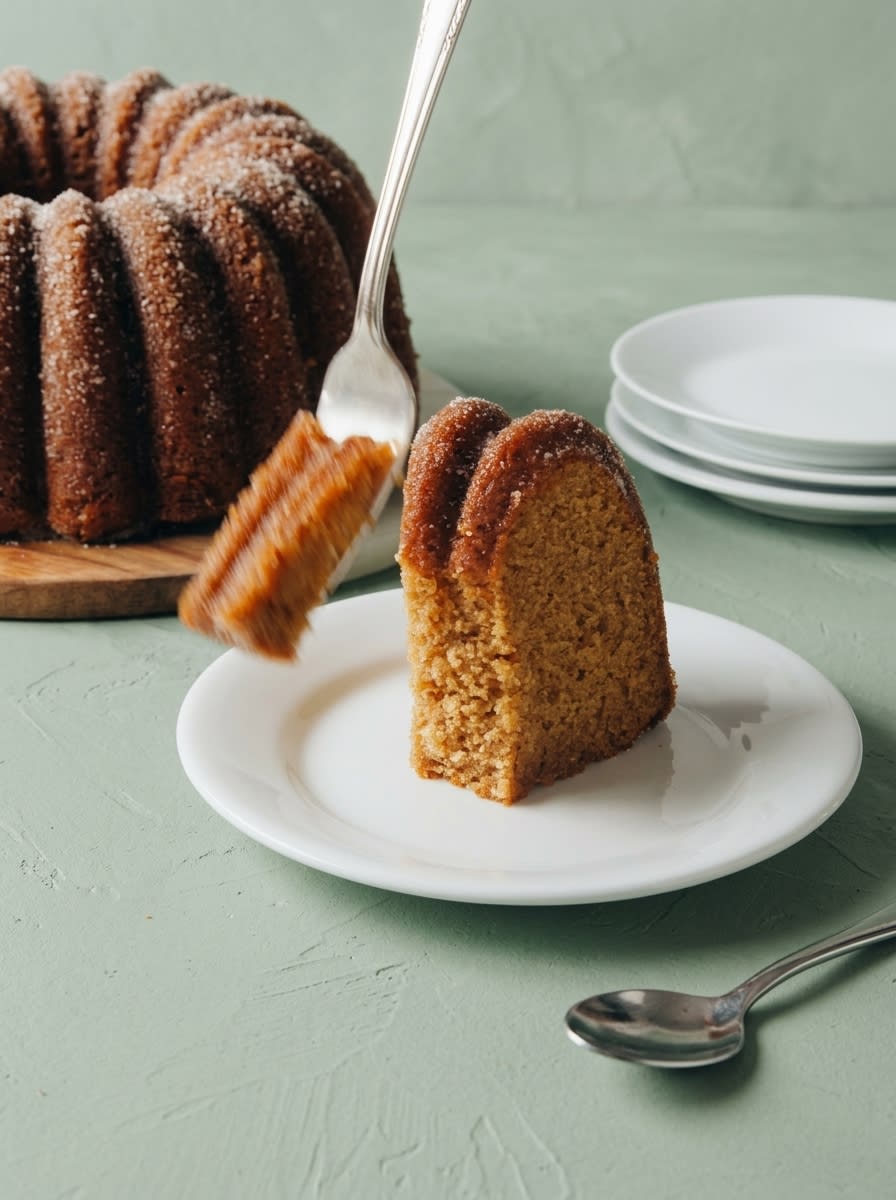
To present this cake beautifully, slice it only once it has cooled to room temperature, using a long, sharp serrated knife. The crisp cinnamon-sugar crust will yield with a satisfying crack, revealing the tight, golden crumb inside. Serve each slice on a slightly warmed ceramic plate to highlight the buttery notes of the coating.
A warm beverage is the natural companion to this spiced dessert. A pour-over coffee with clean, citrus notes cuts through the sweetness of the sugar glaze, while a spiced black tea enhances the warmth of the nutmeg. For a festive gathering, pairing a slice with a glass of dry sparkling wine or dry hard cider offers an elegant contrast of textures and temperatures.
Whether you serve this at an elegant Sunday luncheon or a quiet afternoon tea, it speaks of unhurried preparation. For those who enjoy presenting rustic European desserts alongside modern American classics, offering a slice of this cake next to our traditional irish apple cake creates a beautiful study in apple textures. Your guests will appreciate the deliberate contrast between the custard-like apple layers of the Irish variant and the spiced, donut-like crumb of this cider version.
The Result of Your Care
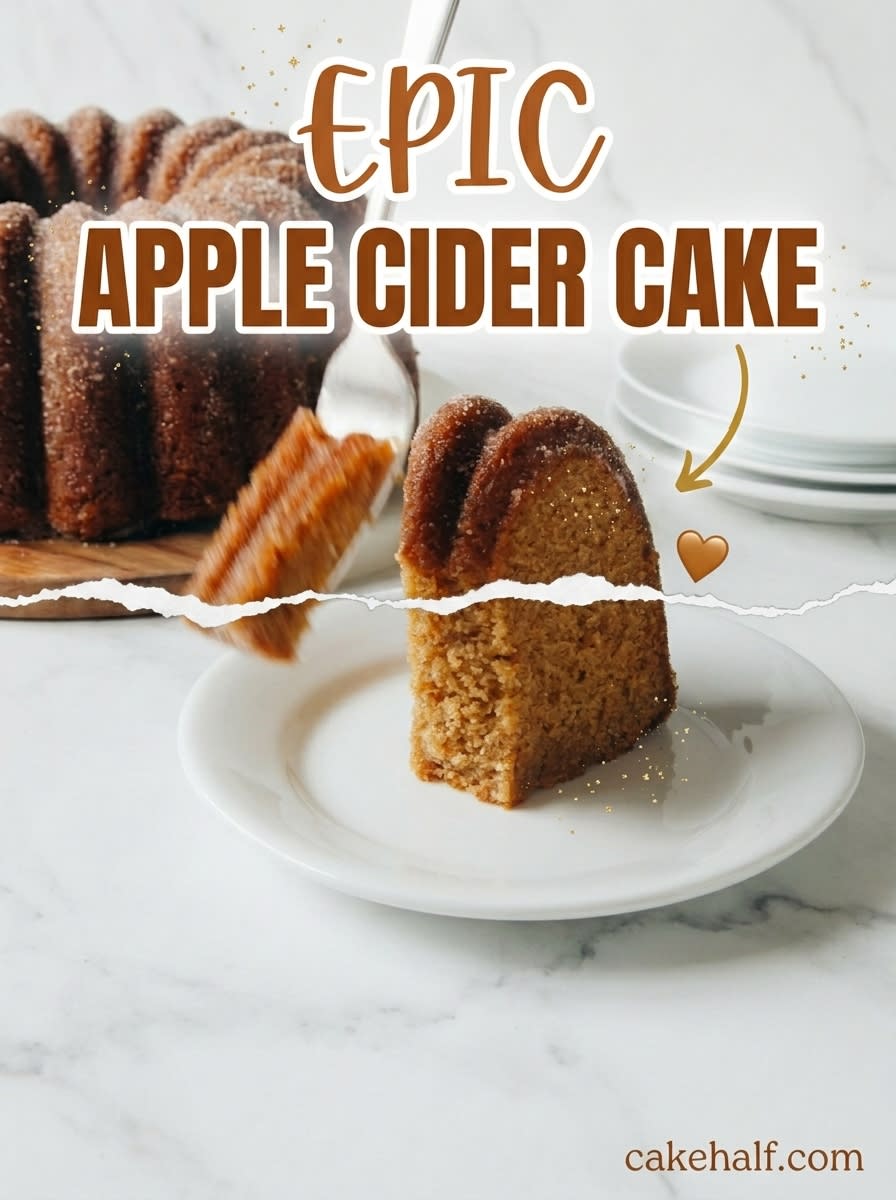
Baking this cake is an exercise in small disciplines. From the precise temperature of your butter to the patience required during the ten-minute cooling window, every step shapes the final outcome. As you slice through the crisp, spiced exterior to find an exceptionally tender, uniform crumb, remember that precision is not a constraint. It is the freedom to repeat success.
We invite you to share your baking journey with us and our community of dedicated home bakers. If you find yourself short on time but still craving a comforting fruit dessert, you might try our simple 3 ingredient dump cake for a quick alternative. However, we are confident that this refined cider recipe will become a permanent addition to your seasonal baking archives.
Connect with us on our social platforms to share your results, ask technical questions, or find your next baking project. Join our community on Pinterest, follow our kitchen updates on Facebook, and watch our technique tutorials on TikTok. We look forward to seeing your beautiful creations and celebrating the art of precise baking together.