Amateur pumpkin cakes are often heavy and wet, while a well-made version possesses a structured, velvet crumb that carries warm spices cleanly.

To build a masterpiece like the Pumpkin Spice Layer Cake with Cinnamon Cream Cheese Frosting, you must look past the rustic reputation of holiday baking. We are not merely mixing ingredients; we are managing moisture and fat to construct a delicate crumb. The pumpkin puree brings heavy hydration that can collapse an unstudied batter, making precise steps crucial. By learning how to temper your dairy and structure your dry flour mixture, you will create a refined cake worthy of any grand holiday finish.
Why Technique Matters in This Pumpkin Spice Layer Cake with Cinnamon Cream Cheese Frosting
Prep: 15 min · Serves: 12 · Difficulty: Medium
Many home bakers treat pumpkin baking as an afterthought, relying on dense oil-based batters that mask lack of technique. When you commit to a balanced, butter-creamed base, the reward is a crumb that feels light yet substantial. This structural clarity is exactly what you achieve here. We build this cake step-by-step, respecting the delicate science of emulsification and sugar balances.
- Precise temperature control prevents a wet crumb.
- Balanced sugar ratios create soft, delicate layers.
- Low baking heat yields flat, uniform cakes.
- Cinnamon cream cheese frosting adds complex warmth.
- Balanced spice profiles never overwhelm the palate.
If you have studied our classic pumpkin layer cake story, you understand how patience transforms seasonal baking. This recipe refines those principles further, offering a systematic approach to balancing spices and texture. We do not skip steps, nor do we rush the oven process.
This cake will stand as the quiet testament to your growing mastery of the baking craft.
Get The Full Cake Recipe
Print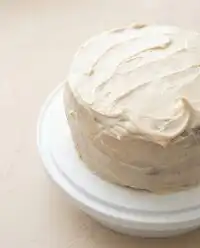
Pumpkin Spice Layer Cake with Cinnamon Cream Cheese Frosting
- Total Time: 1 hour 5 mins
- Yield: 12 servings
- Diet: Vegetarian
Description
This refined pumpkin spice layer cake features a delicate, velvet crumb achieved through precise temperature control and careful emulsification. Topped with a silky, spiced cinnamon cream cheese frosting, this elegant dessert is a perfect centerpiece for autumn celebrations.
Ingredients
- 2 1/2 cups all-purpose flour
- 1 teaspoon baking soda
- 1/2 teaspoon fine salt
- 1 cup unsalted butter, softened
- 1 cup light brown sugar
- 1/2 cup granulated white sugar
- 4 large eggs, room temperature
- 1 cup buttermilk, room temperature
- 1 cup pure canned pumpkin puree
- 2 teaspoons vanilla extract
- 2 tablespoons pumpkin spice
- 12 ounces cream cheese, softened
- 1/2 cup unsalted butter, softened
- 1/2 cup heavy cream
- 3 cups powdered sugar, sifted
- 1 teaspoon ground cinnamon
Instructions
- Prepare the equipment. Preheat your oven to 275°F, then grease and flour three 9-inch round cake pans.
- Combine dry ingredients. Sift the flour, baking soda, and salt together in a large bowl, whisking until uniform.
- Cream butter and sugars. Beat the softened butter with both sugars in a stand mixer for four minutes until light and fluffy.
- Emulsify the eggs. Add the eggs one by one, beating thoroughly after each addition to ensure a stable emulsion.
- Add spices. Mix in the vanilla extract and pumpkin spice on low speed to incorporate the oils into the butter mixture.
- Alternate wet and dry. Add the dry flour mixture and buttermilk to the butter base in batches, mixing just until the flour disappears.
- Fold in pumpkin. Gently fold the canned pumpkin puree into the batter by hand using a silicone spatula until no streaks remain.
- Bake the layers. Divide batter into prepared pans and bake for 30–35 minutes until a skewer inserted in the center comes out clean.
- Prepare the frosting. Beat the cream cheese, butter, and cream together, then gradually add powdered sugar, vanilla, and cinnamon until smooth.
- Assemble the cake. Spread frosting between each cooled cake layer and apply a thin crumb coat to the exterior before final frosting.
Notes
- Ensure all dairy and eggs are at room temperature to avoid breaking the batter emulsion.
- Drain any excess liquid from the canned pumpkin on paper towels to maintain the cake’s structural integrity.
- Baking at a low temperature is the key to achieving a perfectly flat, level top without needing to trim the cake.
- Use a hot, dry chef’s knife for clean, professional-looking slices that show off the layers clearly.
- Prep Time: 30 mins
- Cook Time: 35 mins
- Category: Dessert
- Method: Baking
- Cuisine: American
The Mise en Place
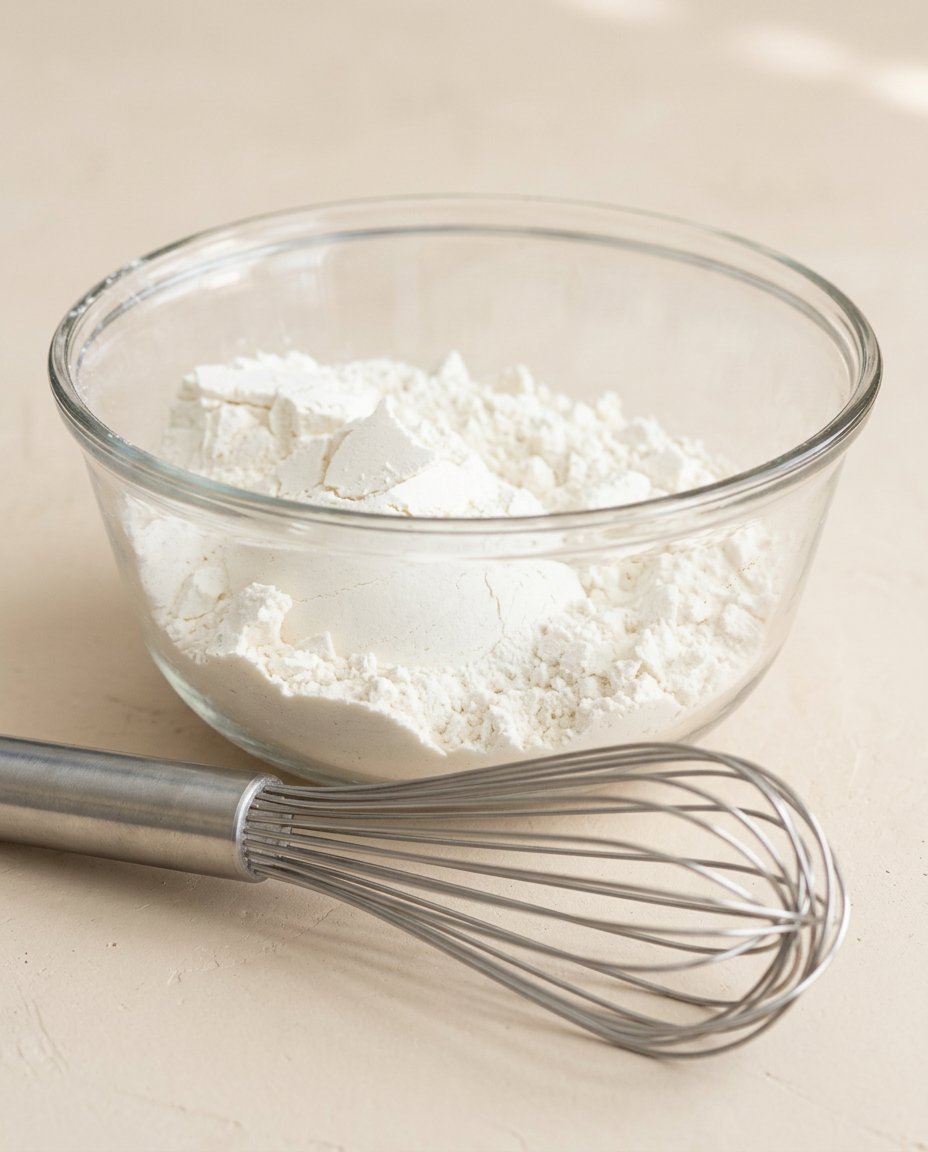
Before lighting your oven, every ingredient must be weighed and tempered on your work surface. Cold dairy or unevenly measured flour will fracture the emulsion of your batter, leading to a heavy finish. By preparing your workspace meticulously, you give your ingredients the exact conditions they need to perform.
- Unsalted Butter: Choose a high-quality butter with at least eighty-two percent butterfat to provide a rich, tender crumb that oil cannot replicate.
- Buttermilk: The natural acidity of this liquid tenderizes the gluten structure while activating the chemical leaveners for a uniform rise.
- Pure Pumpkin: Select canned pumpkin puree rather than pie filling, as it provides pure, unadulterated hydration without unpredictable sugars or spices.
- Pumpkin Spice: A classic blend of warm spices that must be fresh to distribute its aromatic oils evenly throughout the warm cake layers.
- Cream Cheese: Full-fat brick cream cheese is essential here, as low-fat varieties lack the structure required to hold their shape when beaten with sugar.
- Light Brown Sugar: This ingredient introduces moisture and a deep caramel note that complements the natural earthiness of the squash.
| Ingredient | Why It Matters |
|---|---|
| Unsalted Butter | Builds the cake structure through creaming and adds classic flavor. |
| Buttermilk | Softens the gluten and reacts with baking soda to create lift. |
| Pure Pumpkin | Adds dense moisture and earthiness without making the crumb wet. |
| Cinnamon | Infuses the rich cream cheese frosting with a classic warmth. |
The Method, Step by Step
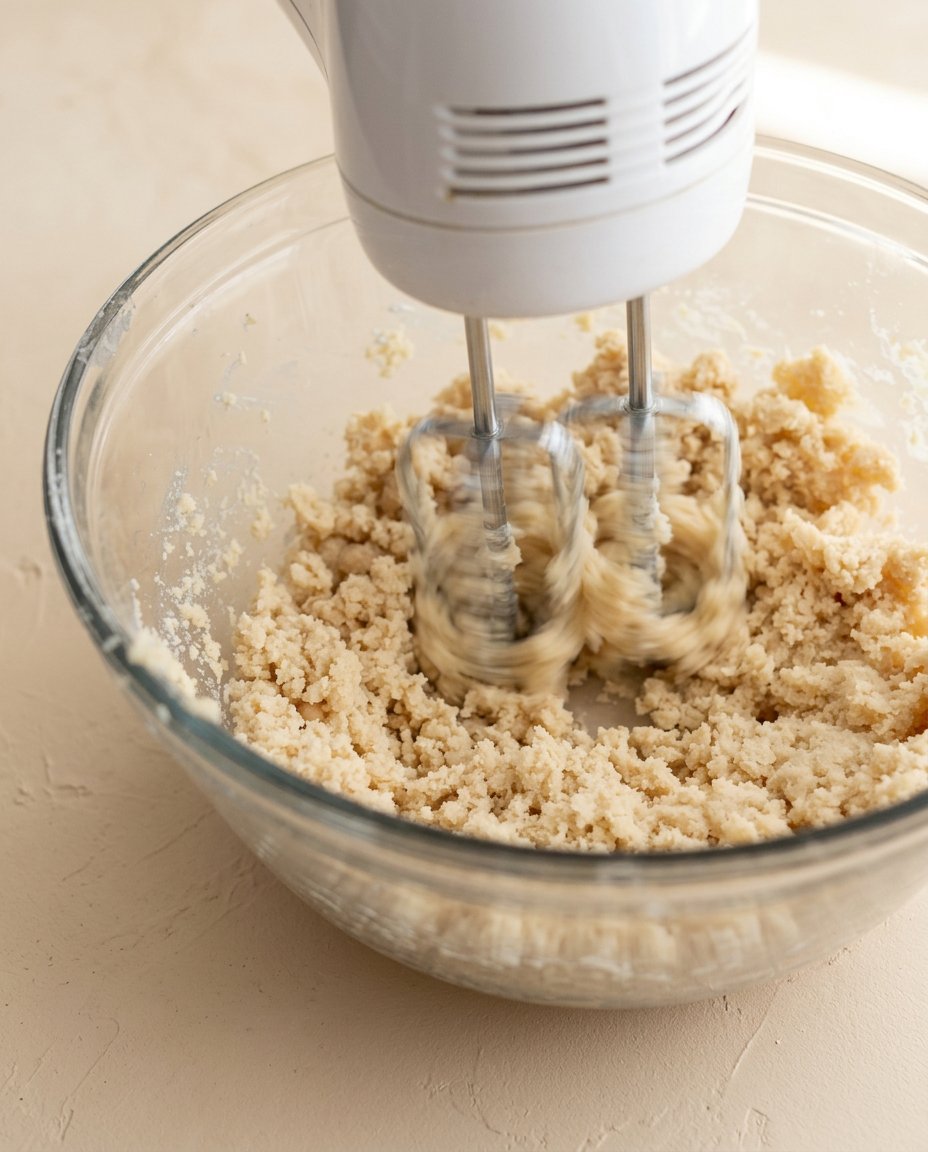
Step 1: Prepare the Oven and Baking Pans
Set your oven to a low two hundred and seventy-five degrees Fahrenheit to allow the deep layers to bake evenly without dry edges. Lightly grease three nine-inch round cake pans with softened butter, making sure to coat the corners thoroughly. Dust a thin layer of flour over the butter, tapping out any excess over your sink to prevent dry pockets. This classic preparation creates a reliable barrier that prevents sticking while keeping the outer crust soft and pale.
Step 2: Sift and Whisk the Dry Ingredients
In a large mixing bowl, combine your all-purpose flour, baking soda, and fine salt. Use a fine-mesh sifter to aerate the mixture, which prevents pockets of leavener from creating uneven holes in your baked layers. Whisk the dry elements for thirty seconds until they form a uniform, powdery blend that is ready for the wet ingredients. This step guarantees that the leavening agent is distributed perfectly throughout the flour matrix.
Step 3: Cream the Butter and Sugars
Place your softened unsalted butter, light brown sugar, and granulated white sugar into the bowl of your stand mixer. Beat them together on medium speed for four minutes until the mixture turns pale and fluffy, resembling wet sand that has begun to hold its shape. This friction incorporates tiny air pockets that are vital for a light, airy rise in the finished cake. Do not rush this step, as under-creaming results in a dense and heavy layer.
Step 4: Emulsify with the Eggs
Introduce your room temperature eggs one at a time, beating for thirty seconds after each addition to maintain a stable emulsion. If your eggs are too cold, they will curdle the butter fat, resulting in a dense, compromised crumb structure. You will notice the mixture becoming light, glossy, and slightly thickened as each egg is absorbed. The final batter at this stage should hold its shape when you lift the paddle.
Step 5: Incorporate the Spiced Elements
Add your pure vanilla extract and pumpkin spice directly to the creamed mixture, mixing on low speed for twenty seconds. Allowing the spices to contact the butter fat before adding liquids helps release their oil-soluble flavors, making them far more expressive in the final bake. The batter will release a warm, comforting aroma of cinnamon and nutmeg as they combine. This quick integration is crucial before introducing any liquids.
Step 6: Alternate the Flour and Buttermilk
Add your sifted dry mixture to the creamed butter alternately with the room temperature buttermilk, starting and ending with the dry ingredients. Mix on the lowest speed only until the flour disappears to avoid overworking the gluten, which would make the cake tough. Your batter should look thick, smooth, and fall from your spatula in a slow, heavy ribbon. This alternate method prevents the batter from separating or curdling under the liquid.
Step 7: Fold in the Pumpkin Puree
Gently fold the canned pumpkin puree into your batter using a large silicone spatula, working from the bottom of the bowl upward. Do not use an electric mixer for this step, as the heavy squash must be incorporated delicately to preserve the creamed air bubbles. Continue folding until the color is a uniform, warm orange without any streaks of pale batter remaining. This slow, physical folding is the apprentice’s first lesson in preserving batter structure.
Step 8: Bake to a Velvety Crumb
Divide your smooth batter evenly among the three prepared pans, smoothing the tops with an offset spatula. Bake at two hundred and seventy-five degrees Fahrenheit for thirty to thirty-five minutes, checking them at the twenty-five minute mark with a thin wooden skewer. The cakes are finished when the skewer comes out with a few moist crumbs attached and the centers spring back under gentle pressure. Let them sit undisturbed in the pans to stabilize.
Step 9: Cool and Prep the Cream Cheese Frosting
Let the baked layers rest in their pans for ten minutes to allow the delicate structure to set before turning them onto wire racks to cool completely. While they rest, cream your softened cream cheese, butter, and heavy cream together until smooth and free of lumps. Slowly add the sifted powdered sugar, vanilla, and ground cinnamon, beating until the frosting is thick and spreadable. The cinnamon should be fully distributed, showing fine flecks throughout.
Step 10: Assemble the Pumpkin Spice Layer Cake with Cinnamon Cream Cheese Frosting
Place your first cooled layer onto a heavy cake board and spread a uniform layer of cinnamon frosting across its surface. Repeat this process with the remaining layers, taking care to keep the sides vertical and even. Use a clean, sharp offset spatula to apply a thin crumb coat to the outside, chill for twenty minutes, and then finish with your remaining frosting. A steady hand during this final stage produces a beautiful, bakery-quality presentation.
Where Precision Makes the Difference
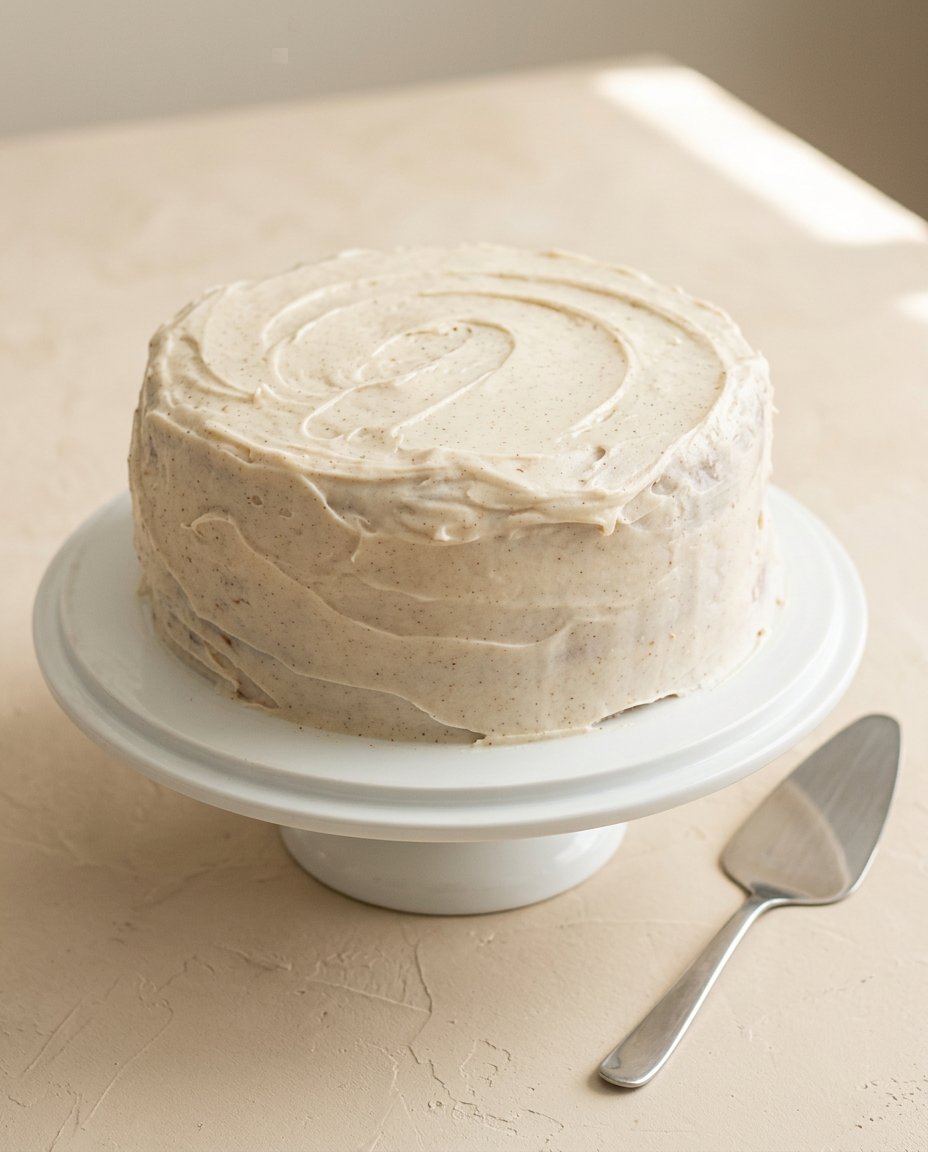
Every dairy component and egg must stand on your kitchen counter for at least two hours before you begin baking. Cold ingredients will shock the creamed butter fat, causing it to seize and break the emulsion. When your batter is properly emulsified at room temperature, it bakes into a velvety, uniform crumb that holds its shape beautifully.
Though canned pumpkin is highly consistent, different brands can contain varying levels of water. If you notice your canned puree seems particularly wet or loose, spread it onto thick paper towels to drain excess moisture before folding it into the batter. This quick step prevents the batter from becoming overly wet and heavy.
Baking at two hundred and seventy-five degrees Fahrenheit may seem unusually low, but it is the secret to a flat, level cake. This slow heat allows the center of the cake to rise at the same rate as the edges, eliminating the dome that requires trimming. It keeps the crumb exceptionally tender by preventing rapid water evaporation.
Never skip sifting your powdered sugar when preparing the frosting. Even small lumps of sugar will remain visible in the finished icing, ruining the silky mouthfeel of your cream cheese. A fine sieve guarantees your frosting spreads smoothly and reflects light beautifully on the cake.
If your cream cheese frosting becomes runny or soft, the fat has likely been over-beaten or warmed by your kitchen. To restore its structure, place the mixing bowl in your refrigerator for twenty minutes, then beat it briefly on low speed. You can find more structural guidance in our recipe for apple spice cake, which features similar frosting techniques.
To display the beautiful internal layers of this cake, always use a long, thin chef’s knife dipped in hot water. Wipe the blade completely dry between every single cut you make. This melts the outer edge of the frosting slightly, leaving a remarkably clean cross-section that shows off your handiwork.
Frequently Asked Questions
How Do I Prevent Cream Cheese Frosting From Getting Runny?
To avoid runny cream cheese frosting, always use high-fat brick cream cheese rather than tub varieties. Do not over-beat the mixture, as excessive friction melts the fat and breaks the structure. If your kitchen is warm, chill your mixing bowl and beaters before starting.
Can I Make This Cake Ahead of Time?
Yes, the flavor of this cake improves after resting for twenty-four hours. You can bake the layers, wrap them tightly in plastic wrap, and store them in the refrigerator overnight. Frost the cake the following day for the best structural integrity and flavor.
Why Did My Pumpkin Cake Sink in the Center?
A sunken center usually indicates that the cake was under-baked or the oven door was opened too early. Opening the oven releases the heat before the structure of the cake is fully set. Always rely on a toothpick test before removing the pans from your oven.
Can I Use Homemade Pumpkin Puree Instead of Canned?
Homemade puree is often far more watery than canned varieties, which can ruin the wet-to-dry balance of your batter. If you choose to use it, you must drain it through cheesecloth for several hours. This steps brings the water content closer to canned standards.
Do I Need to Keep the Frosted Cake in the Fridge?
Because the frosting contains cream cheese and butter, the finished cake must be stored in the refrigerator. Remove the cake from the refrigerator thirty minutes before serving to let the butter soften slightly. This brief rest restores the delicate texture of the crumb and frosting.
Can I Substitute the Buttermilk?
If you lack buttermilk, you can create a temporary substitute by adding a tablespoon of lemon juice to milk. However, real buttermilk provides a superior texture and thickness that milk cannot match. For a truly professional crumb, we recommend sourcing traditional cultured buttermilk.
What Is the Best Way to Store Leftover Cake?
Wrap any leftover slices loosely in plastic wrap or place them inside an airtight container. Keep the container in your refrigerator for up to five days to preserve freshness. The cake can also be frozen for up to three months if wrapped in multiple layers of plastic wrap.
Considered Variations
For those who enjoy texture, adding toasted pecans introduces a pleasant, nutty contrast to the velvet layers. Fold half a cup of finely chopped pecans into your frosting before assembling the cake. If you enjoy nutty cakes, you might also appreciate our classic quick italian cream cake which relies on similar textural pairings.
You can also alter the spice profile by using a custom blend instead of pre-packaged pumpkin spice. Try combining two teaspoons of ground ginger, half a teaspoon of ground cardamom, and a pinch of ground clove for a sharper flavor. This custom blend cuts through the sweet frosting, offering a more complex aromatic experience.
If you prefer a simpler presentation, this recipe translates beautifully into a classic sheet cake format. Pour your batter into a greased nine-by-thirteen-inch baking pan and increase the baking time slightly. If you seek further adaptation inspiration, review these southern baking formulas which highlight how versatile this base can be.
Presentation and Service
This elegant cake deserves a clean, refined presentation on a footed pedestal. Slice it while cold using a hot chef’s knife, then allow the individual slices to temper on the plates for fifteen minutes before your guests arrive. This brief rest allows the butter fats in the crumb to soften to their ideal, melt-in-the-mouth texture.
Pair each slice with a hot cup of unsweetened black tea, such as Earl Grey, which cuts through the richness of the cream cheese. The subtle bergamot notes of the tea beautifully complement the warm cinnamon and pumpkin spices in the cake. If you enjoy pairing rich desserts with warm beverages, you will also love serving our classic caramel cake at your next autumn gathering.
For an extra touch of seasonal beauty, garnish your serving platter with toasted pecans or a light dust of ground cinnamon. Avoid heavy toppings that might distract from the precise work you have put into your layers. Let the clean lines of the cake stand as the primary ornament on your holiday table.
The Result of Your Care
Baking is a quiet discipline, and this recipe is a beautiful testament to the power of small details done with care. When you take the time to temper your dairy, sift your dry elements, and bake at a low temperature, the results speak for themselves. You are left with a cake that is as structurally sound as it is delicious.
We invite you to share this elegant dessert with those who appreciate the craft of home baking. You can find more visual inspiration and step-by-step guidance in our pumpkin spice cake story to help guide your hand. Let this recipe become a trusted companion for your autumn baking schedule.
For more baking tutorials, precise formulas, and kitchen wisdom, join our community of dedicated bakers. Share your beautiful creations with us on Facebook or follow our latest baking techniques on Pinterest and TikTok. We look forward to standing beside you at the bench for your next masterpiece.